Triceratops  Horn Fragment on Stand
HomeStore

Triceratops Horn Fragment on Stand

Triceratops Horn Fragment on Stand

$3,183.00
Triceratops Horn Fragment on Stand
$3,183.00

The Story

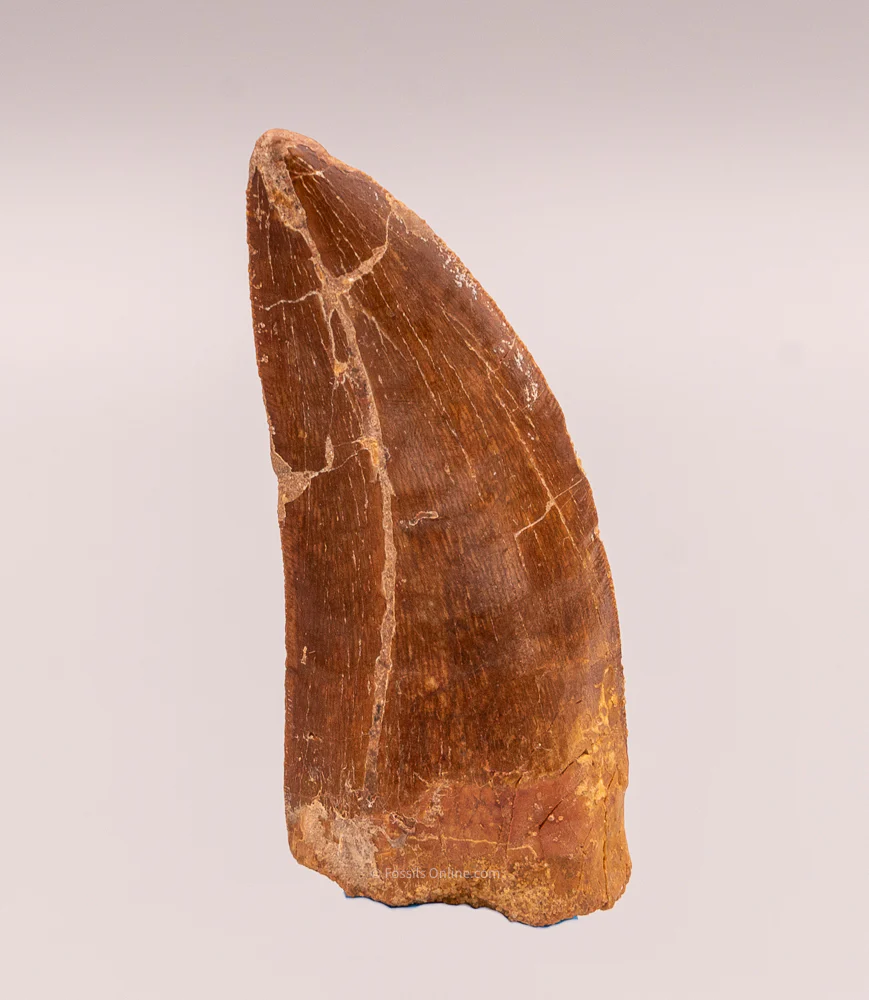
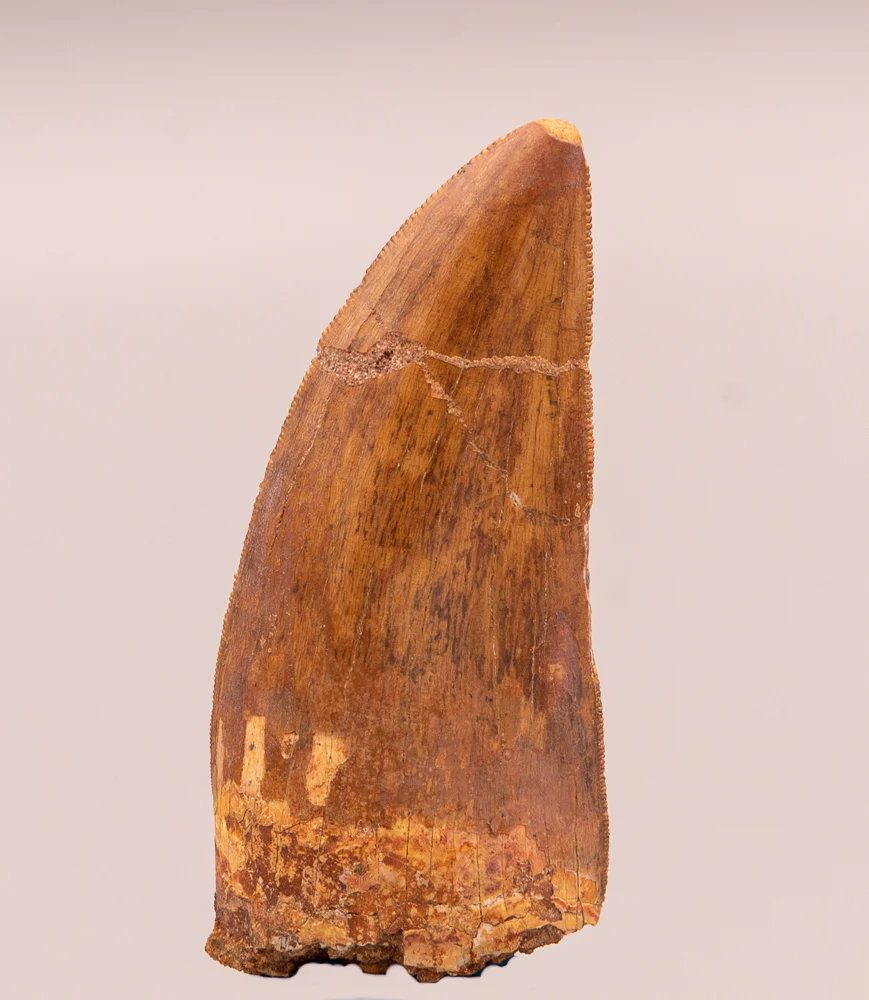
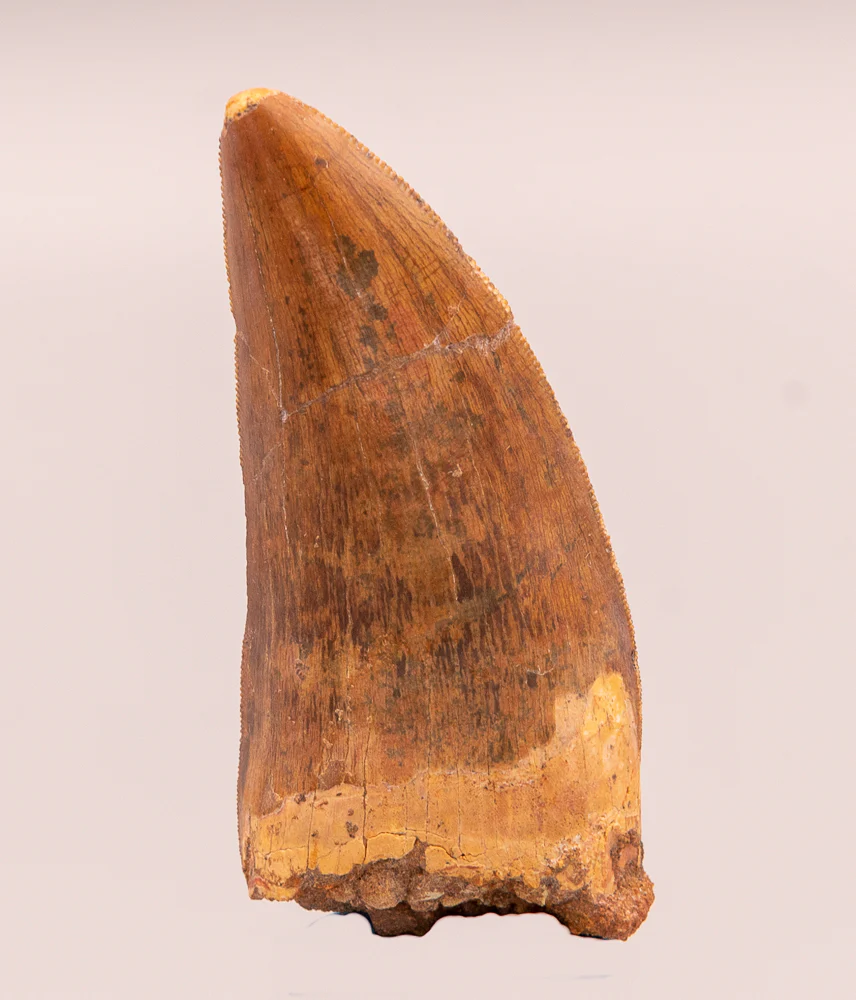
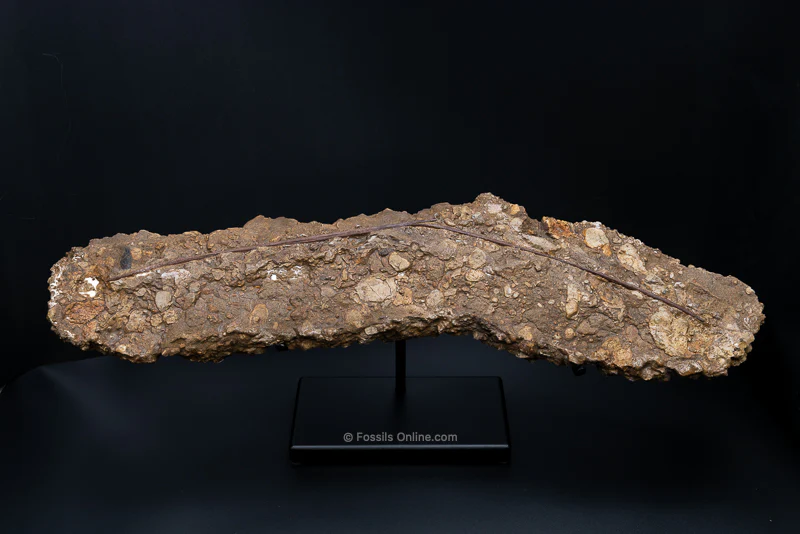
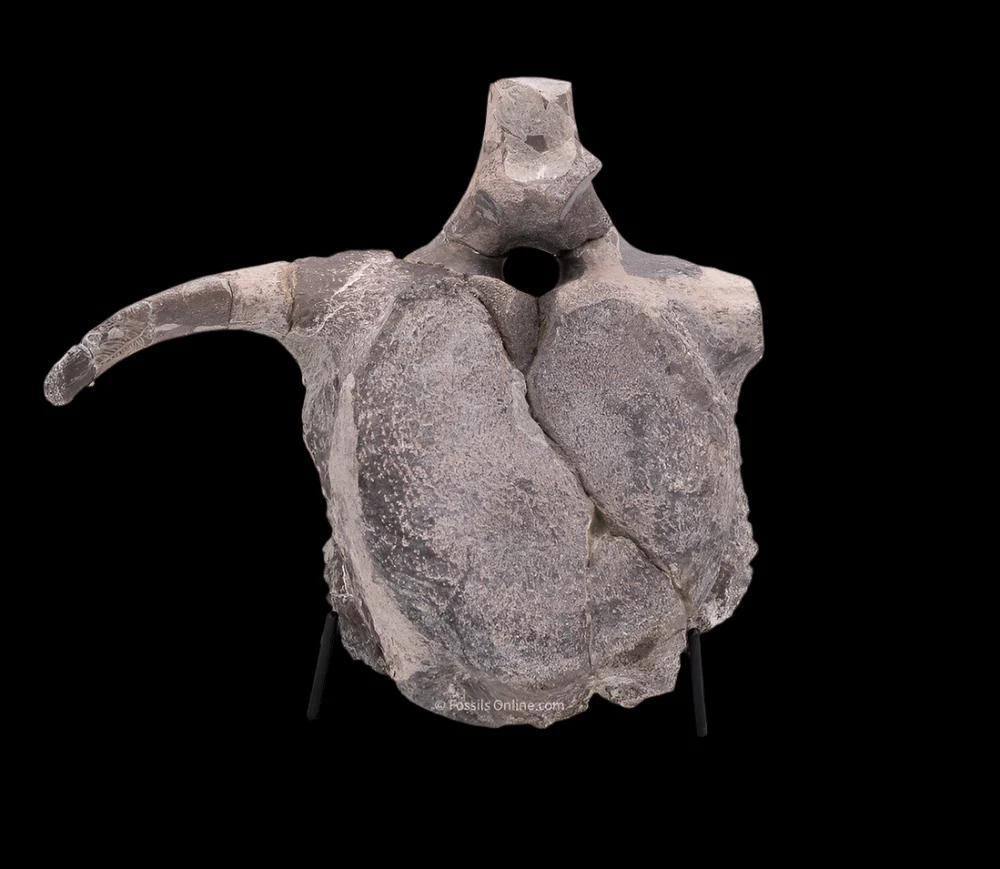
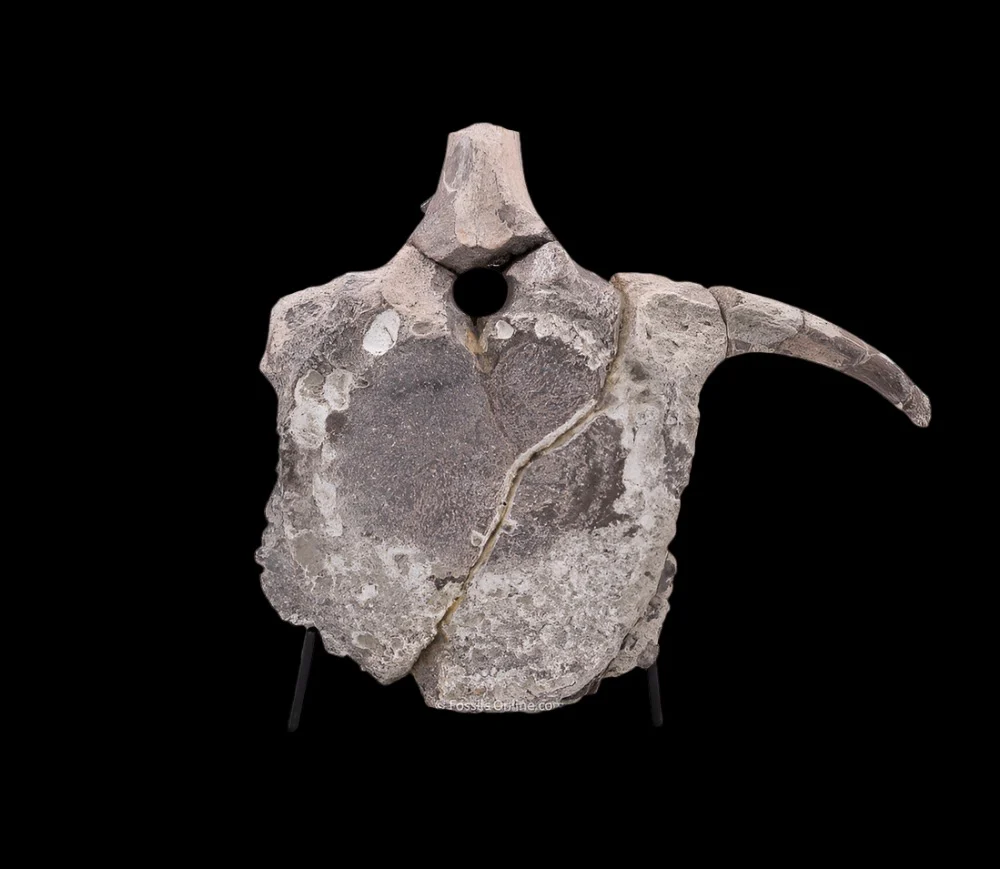
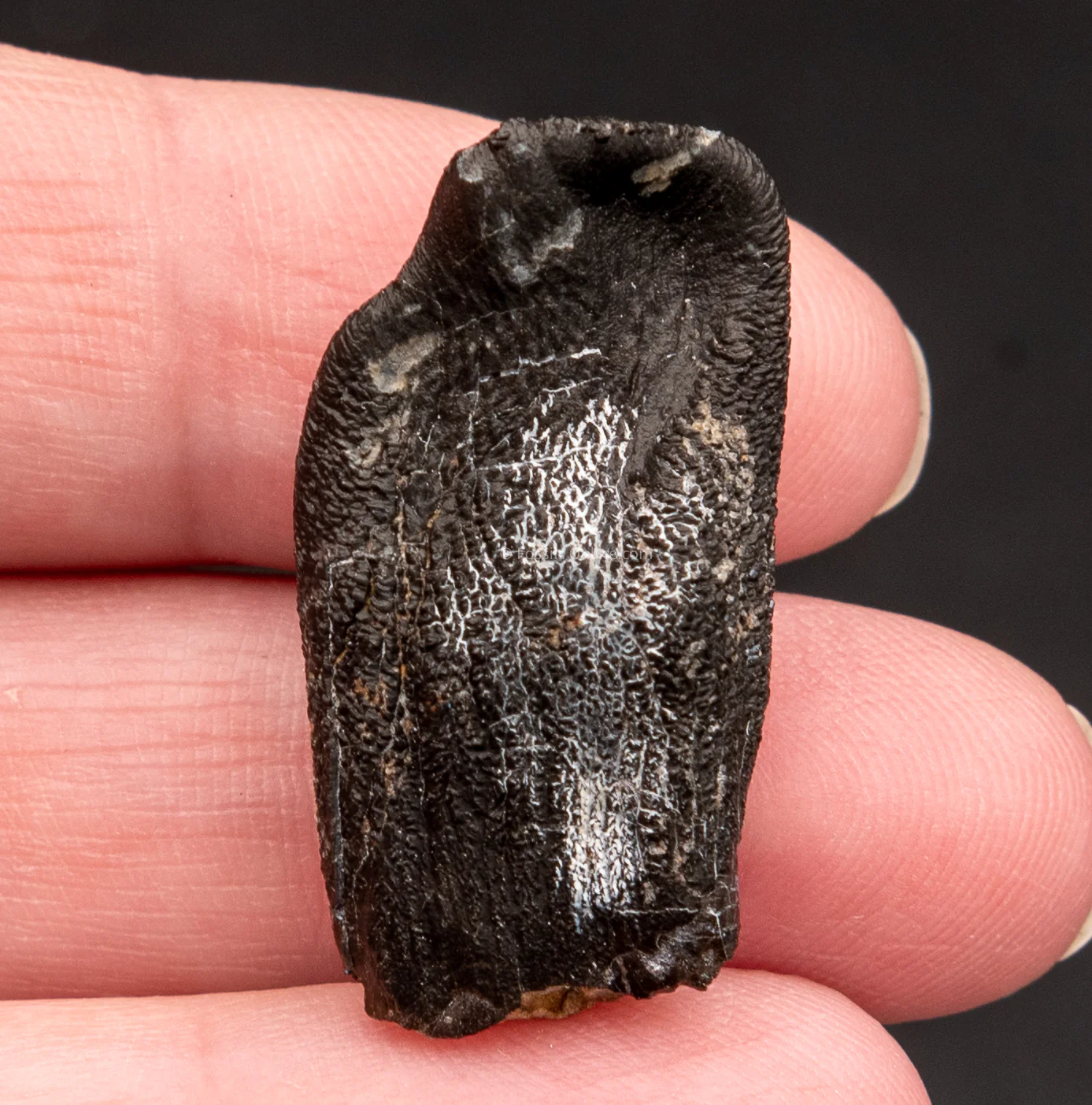
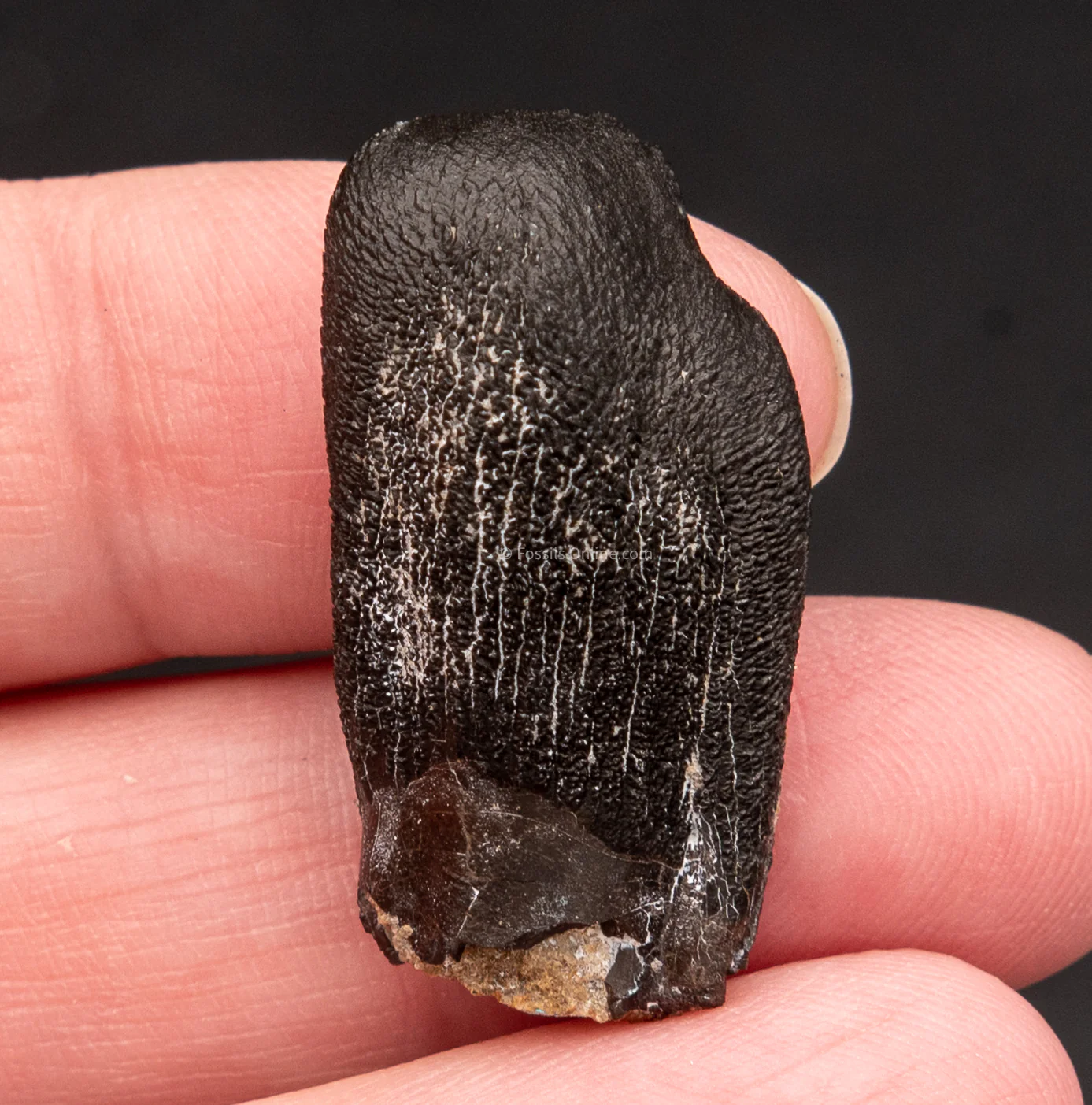
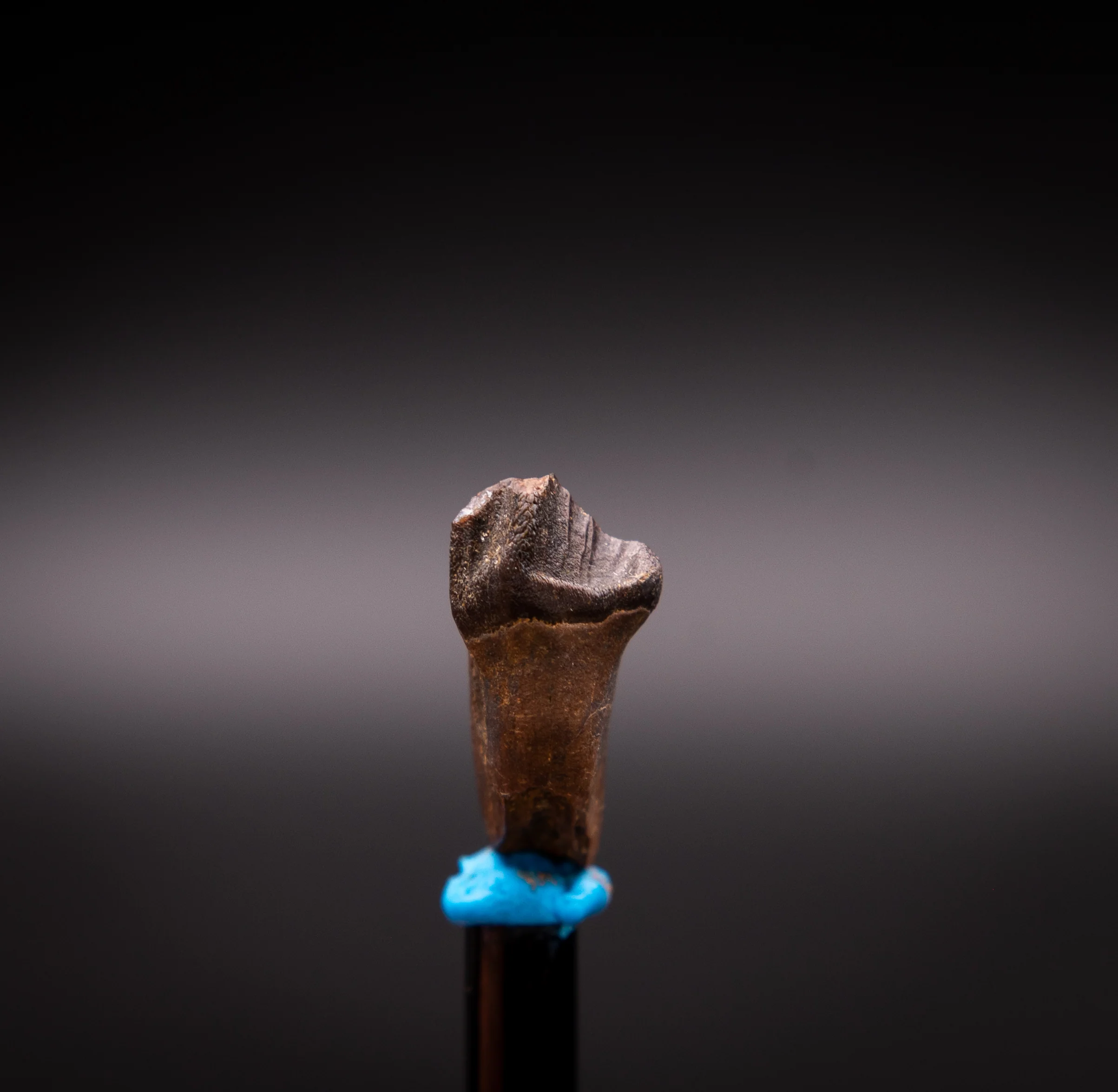
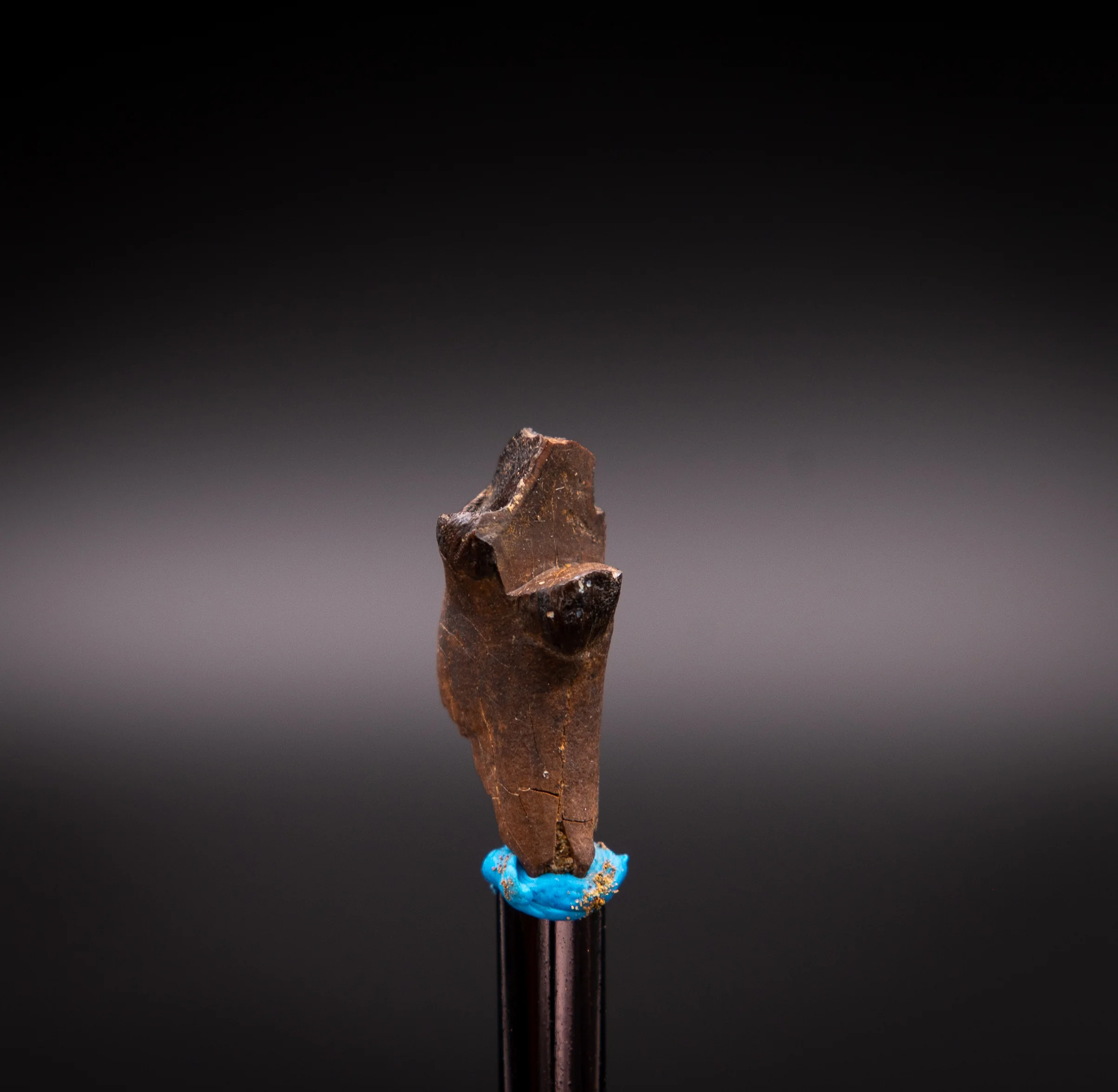
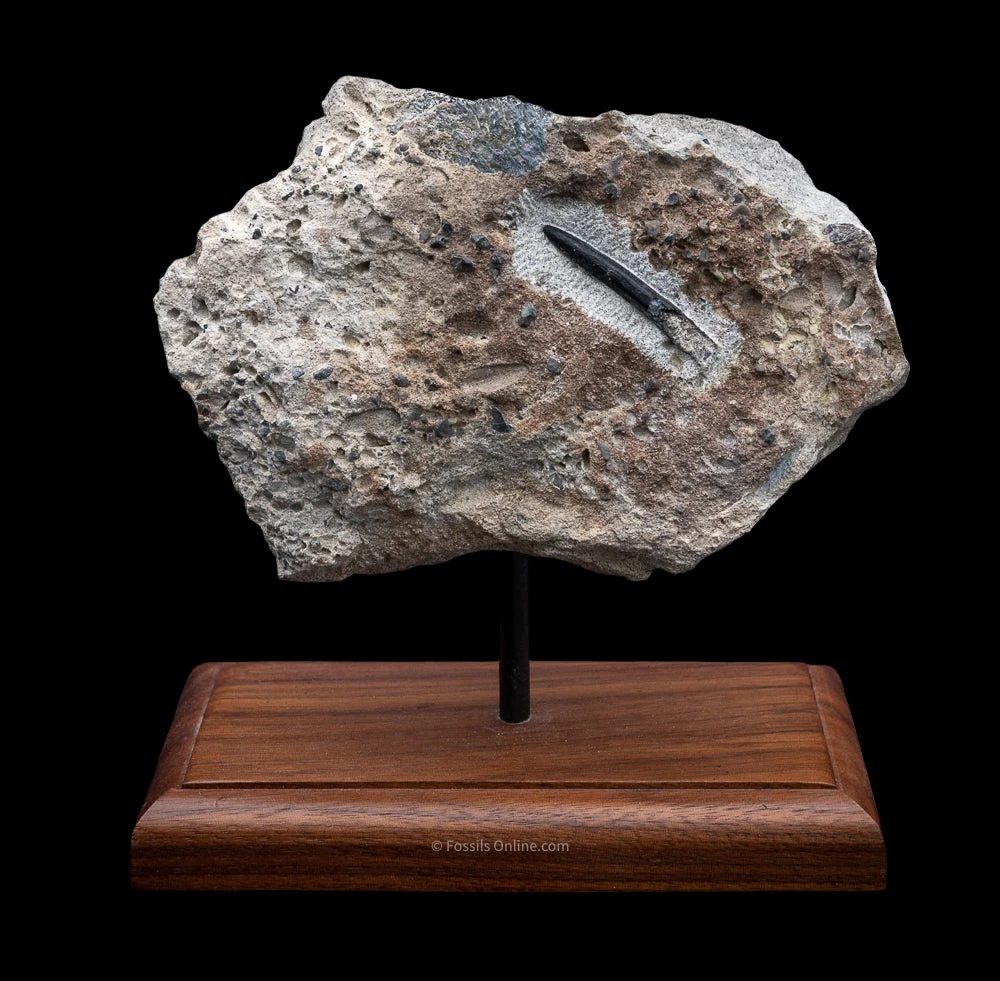
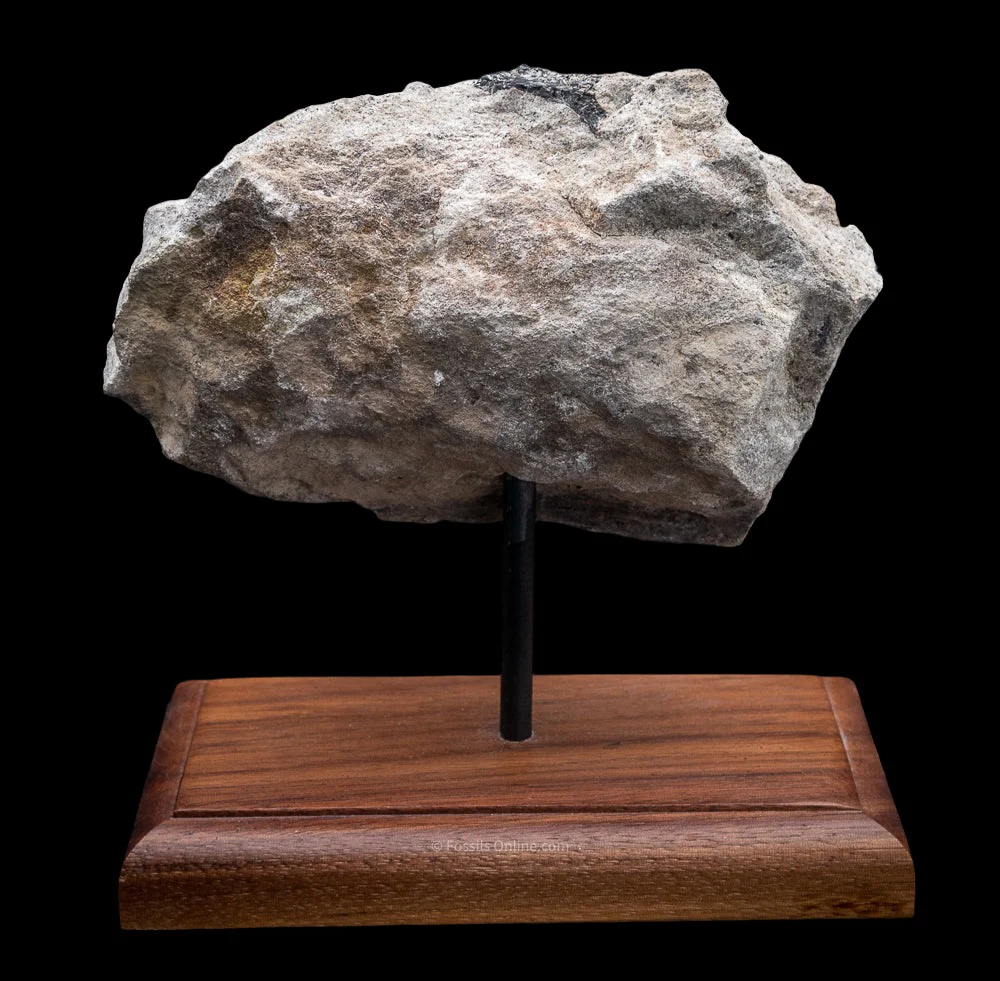
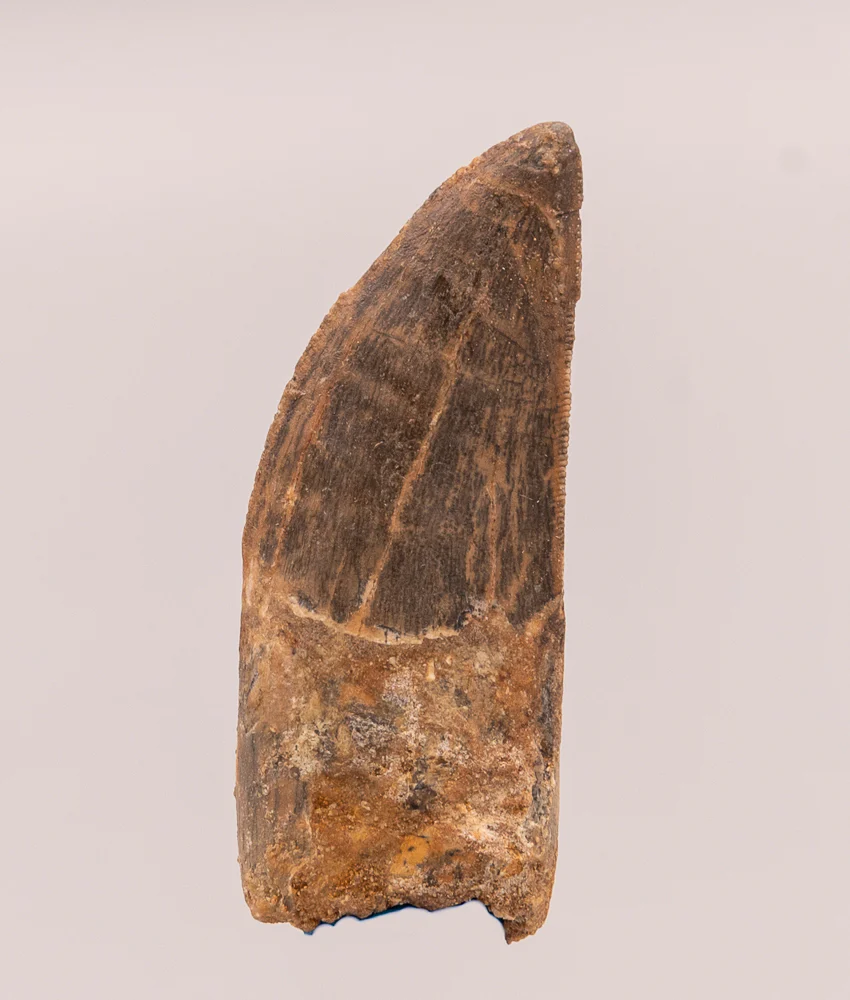
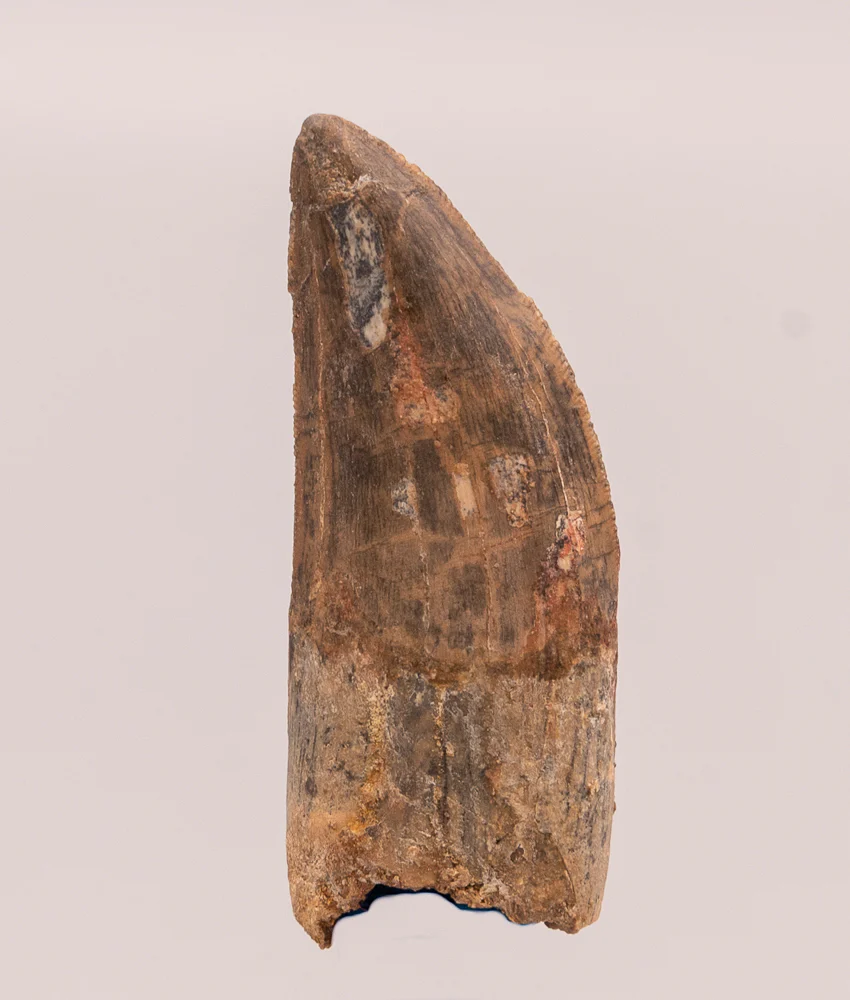
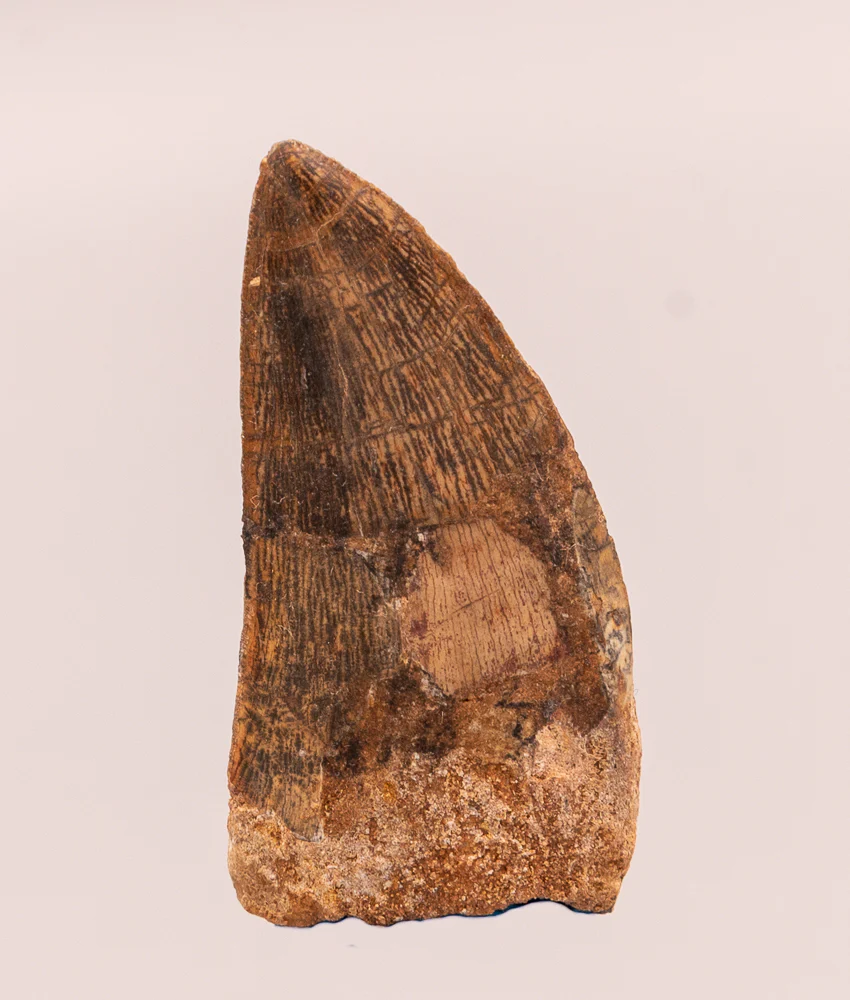
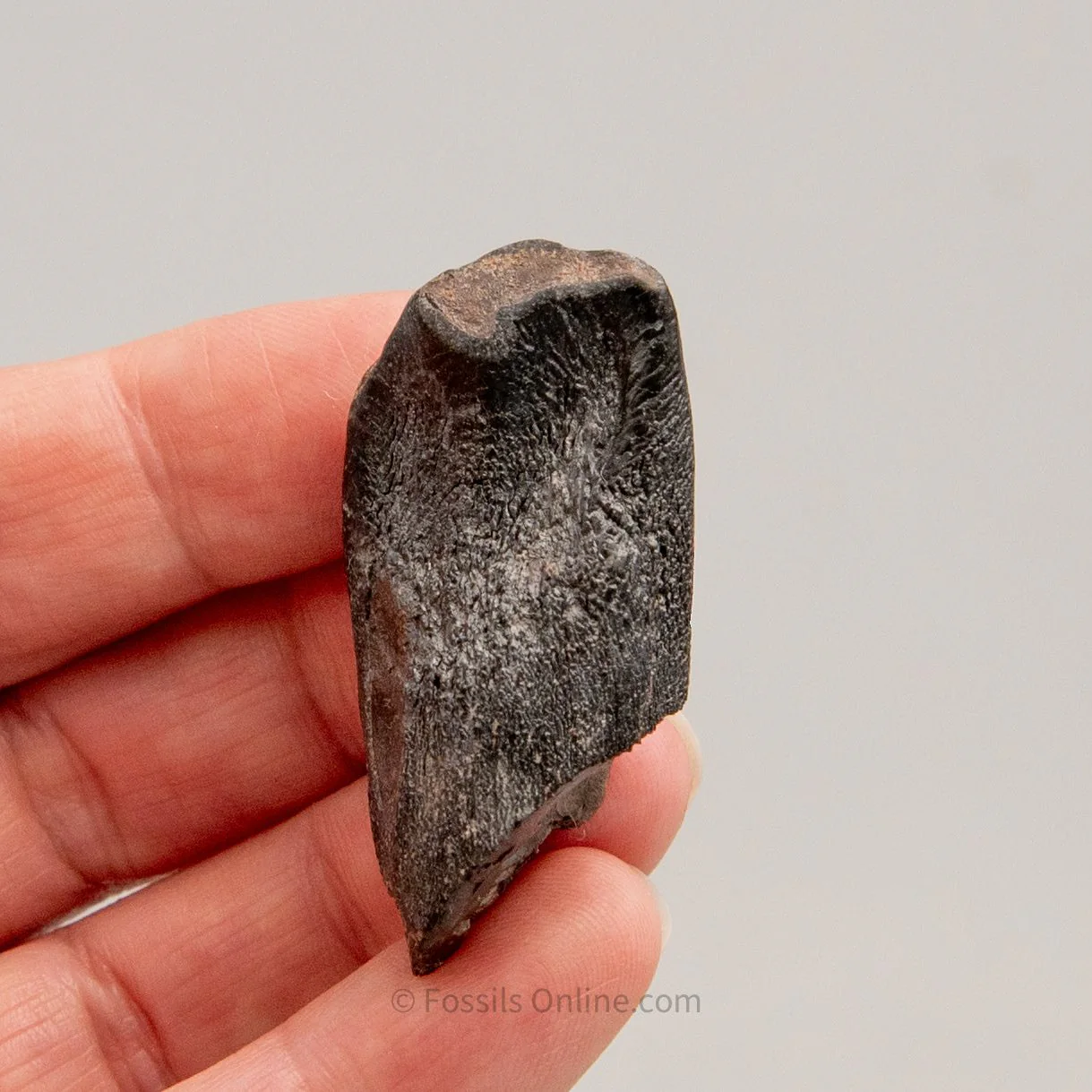
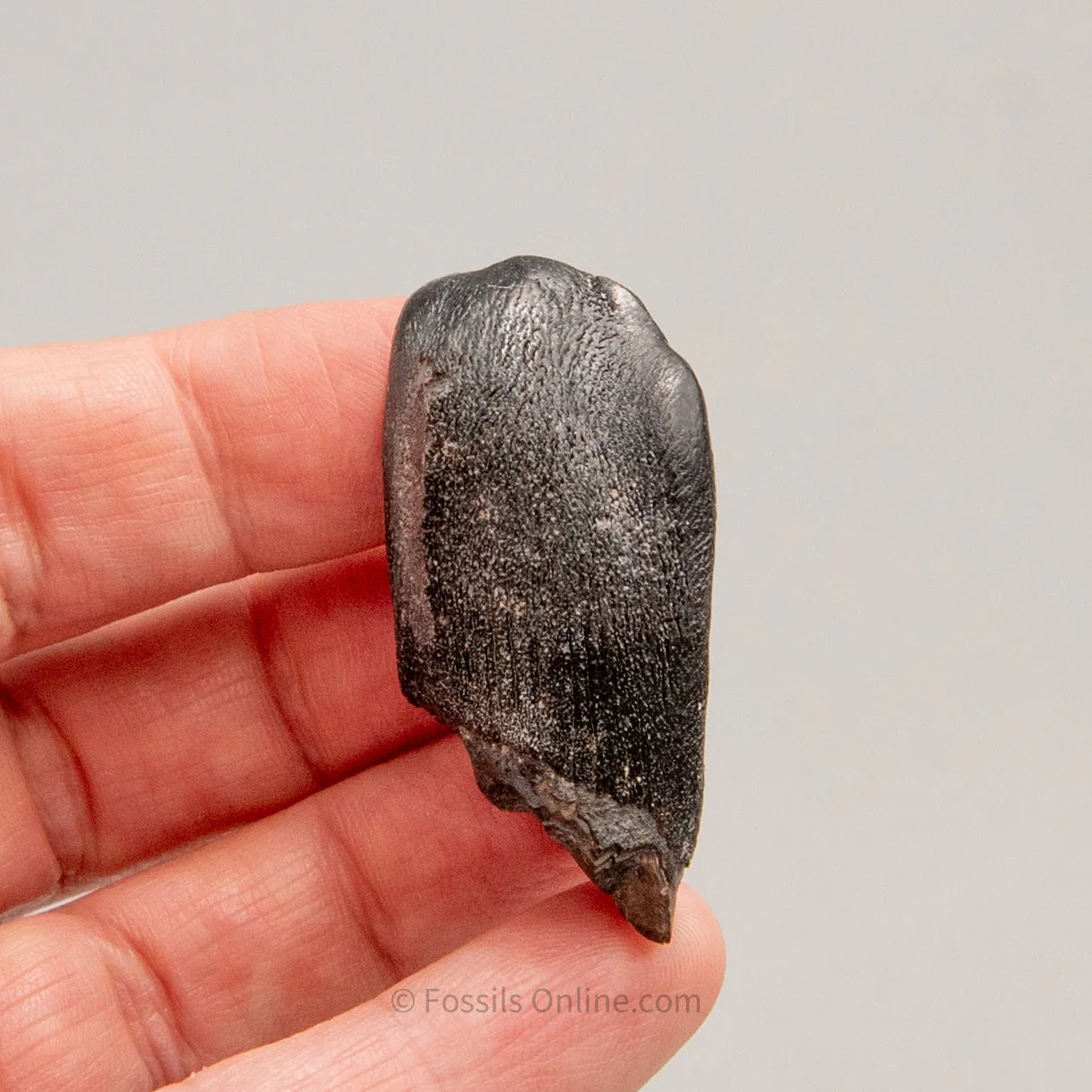
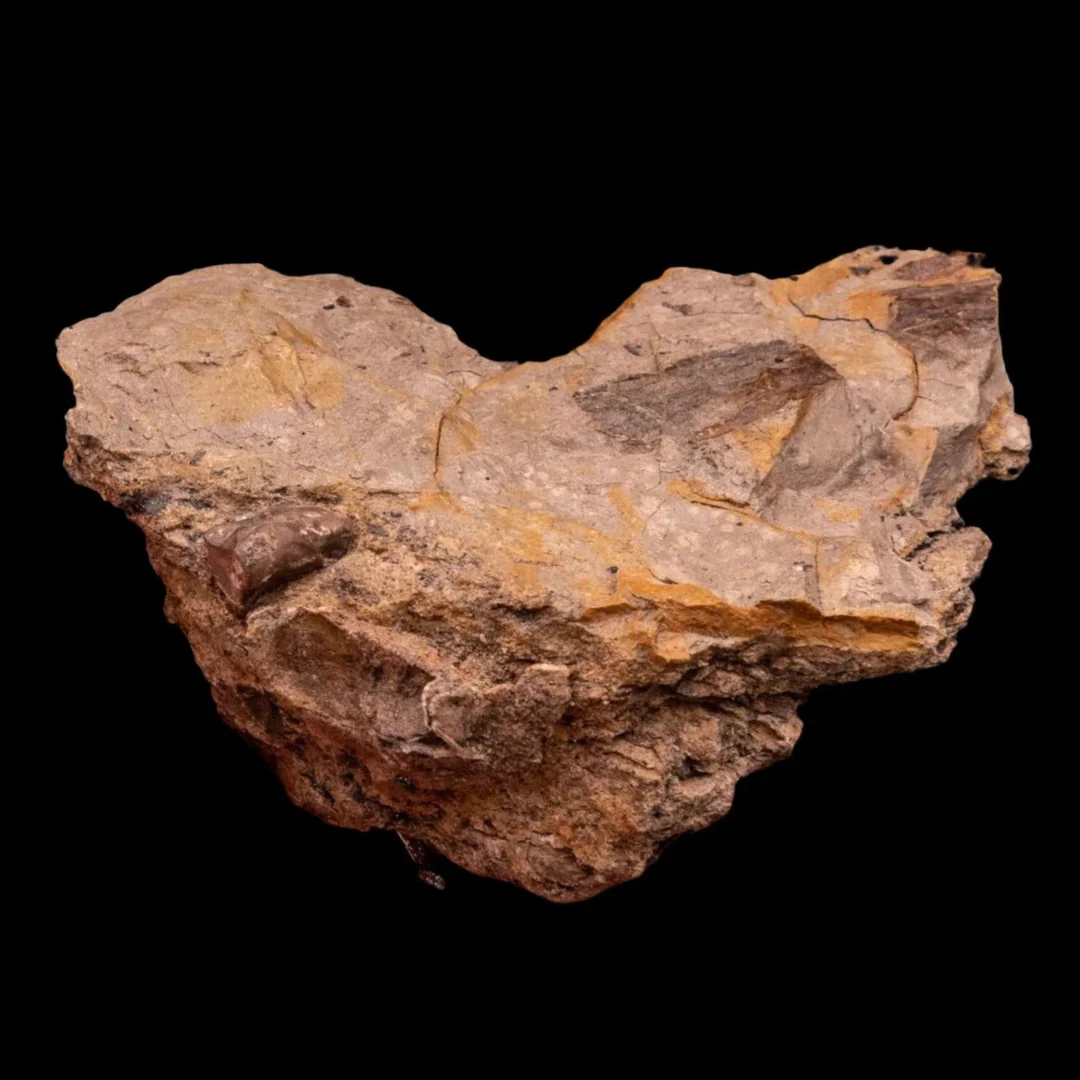
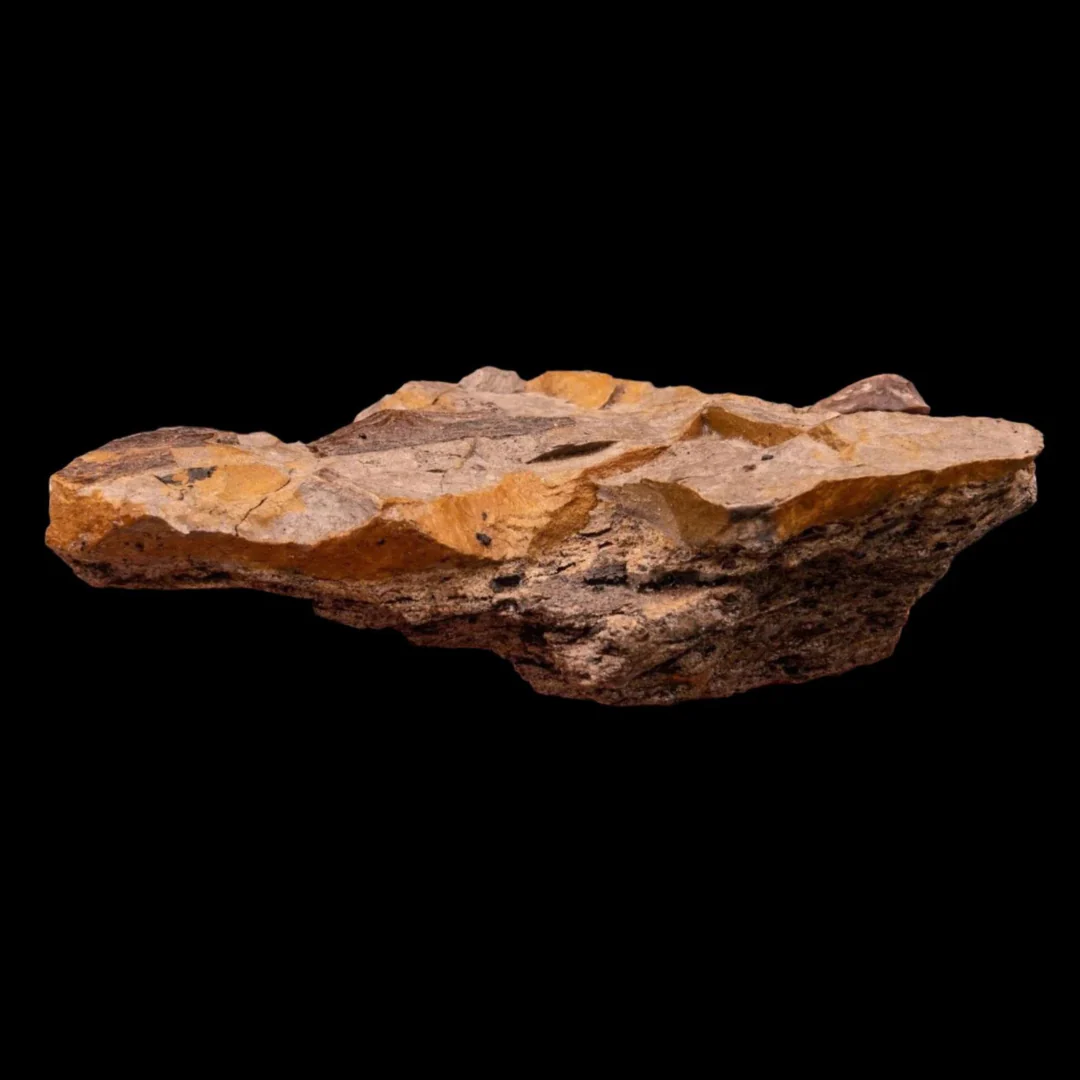
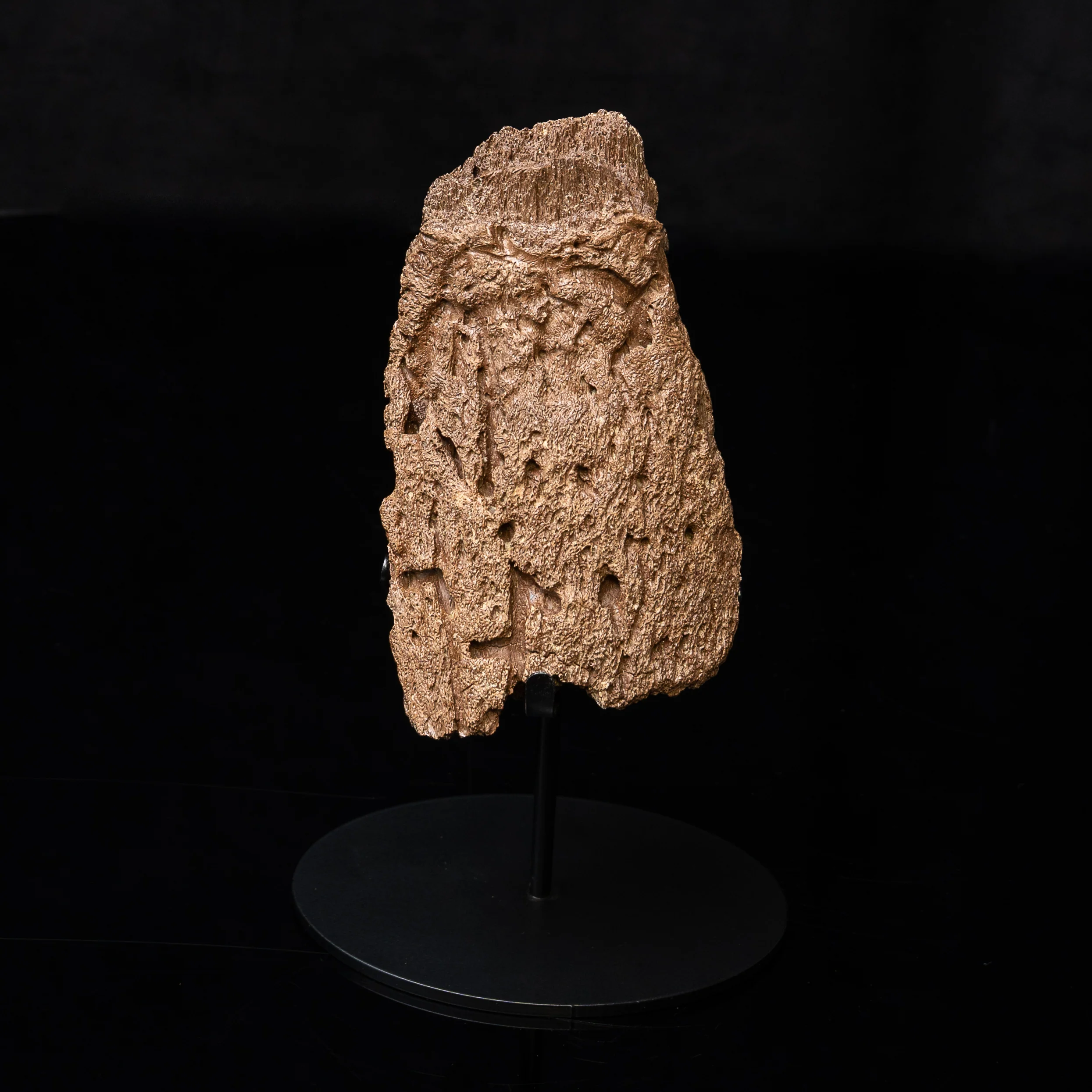
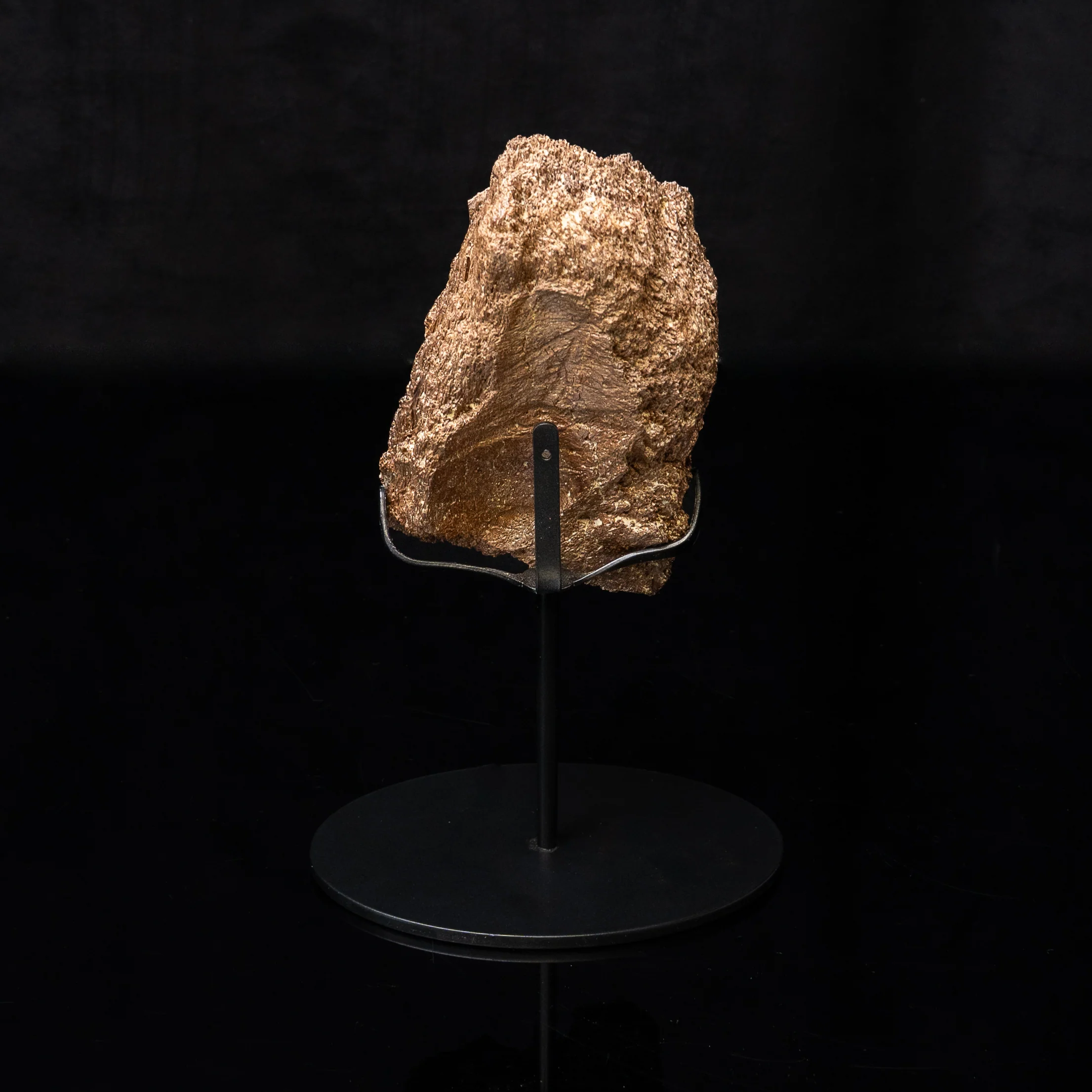
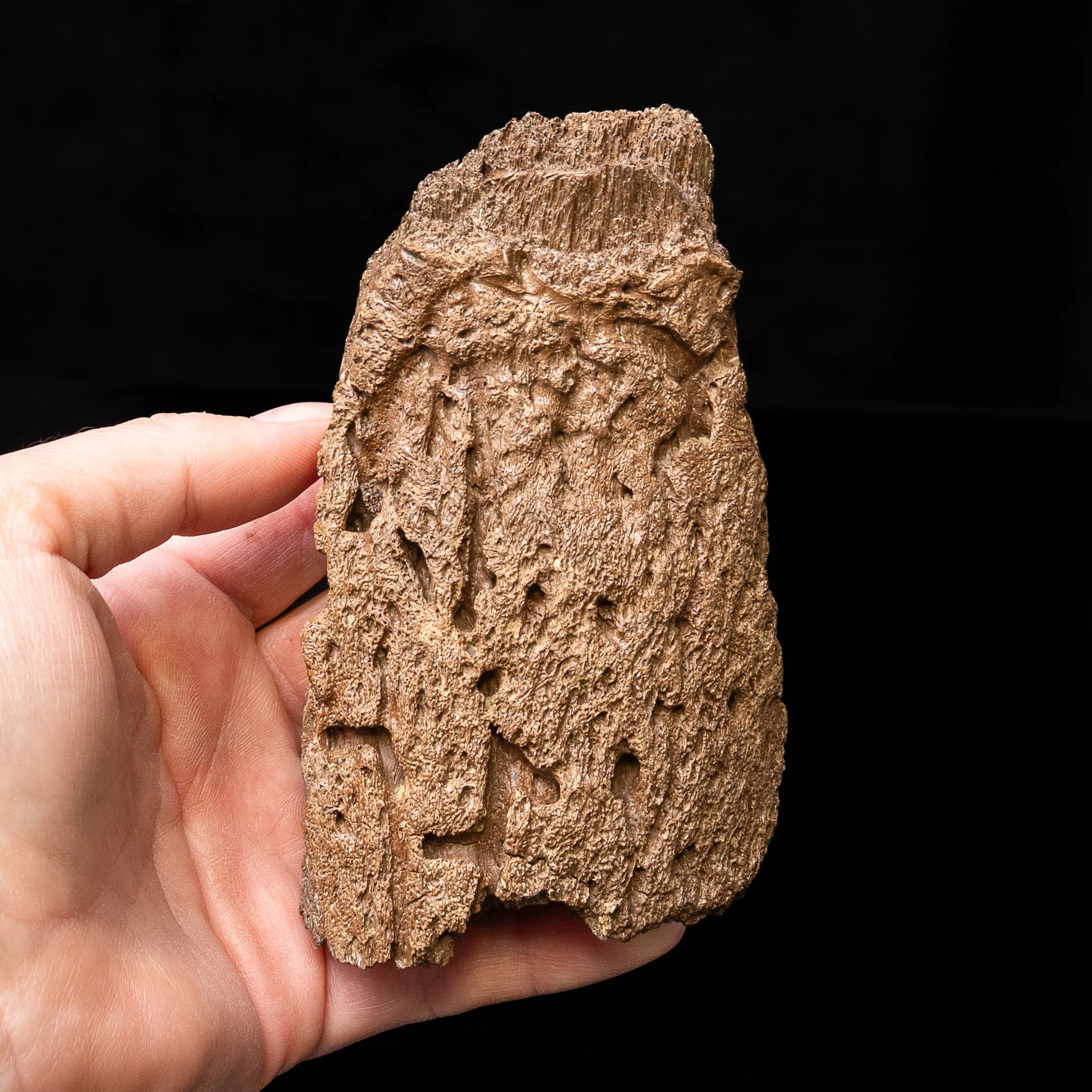
This is a genuine Triceratops horn fragment, showing the dense, textured bone that made up the horn core beneath the outer keratin covering it had in life. What makes pieces like this especially recognizable is the rough, grooved, and pitted surface texture, which reflects the blood vessels and soft tissue that once helped support the horn sheath. That natural texture is one of the clearest signs that this fragment comes from the horn area rather than ordinary bone. This specimen does not disappoint— coming with a display stand, it is ready to be displayed in your collection.

Collected by us last summer near Newcastle, WY.


The Triceratops, lived during the Late Cretaceous period, approximately 68 to 66 million years ago. This herbivorous species is distinguished by its large body, strong legs, and three prominent facial horns - one on the nose and one above each eye. The most striking feature of Triceratops is its large skull, which includes a solid frill at the back. This frill, combined with the horns, was likely used for defense against predators, such as Tyrannosaurus rex , as well as for display and species recognition among other Triceratops. Fossil evidence indicates that these dinosaurs could grow up to 30 feet in length and weigh between 6 to 12 tons. Their teeth were arranged in groups that formed a constantly replaced battery, ideal for their diet of fibrous plants. Triceratops fossils are among the most abundant for any dinosaur, making it a key species for understanding the Late Cretaceous period.

Triceratops  Horn Fragment on Stand - Image 2

Details & Craftsmanship

Every detail has been carefully considered to bring you the perfect product.
Triceratops  Horn Fragment on Stand - Image 3

Details & Craftsmanship

Every detail has been carefully considered to bring you the perfect product.

Description

This is a genuine Triceratops horn fragment, showing the dense, textured bone that made up the horn core beneath the outer keratin covering it had in life. What makes pieces like this especially recognizable is the rough, grooved, and pitted surface texture, which reflects the blood vessels and soft tissue that once helped support the horn sheath. That natural texture is one of the clearest signs that this fragment comes from the horn area rather than ordinary bone. This specimen does not disappoint— coming with a display stand, it is ready to be displayed in your collection.

Collected by us last summer near Newcastle, WY.
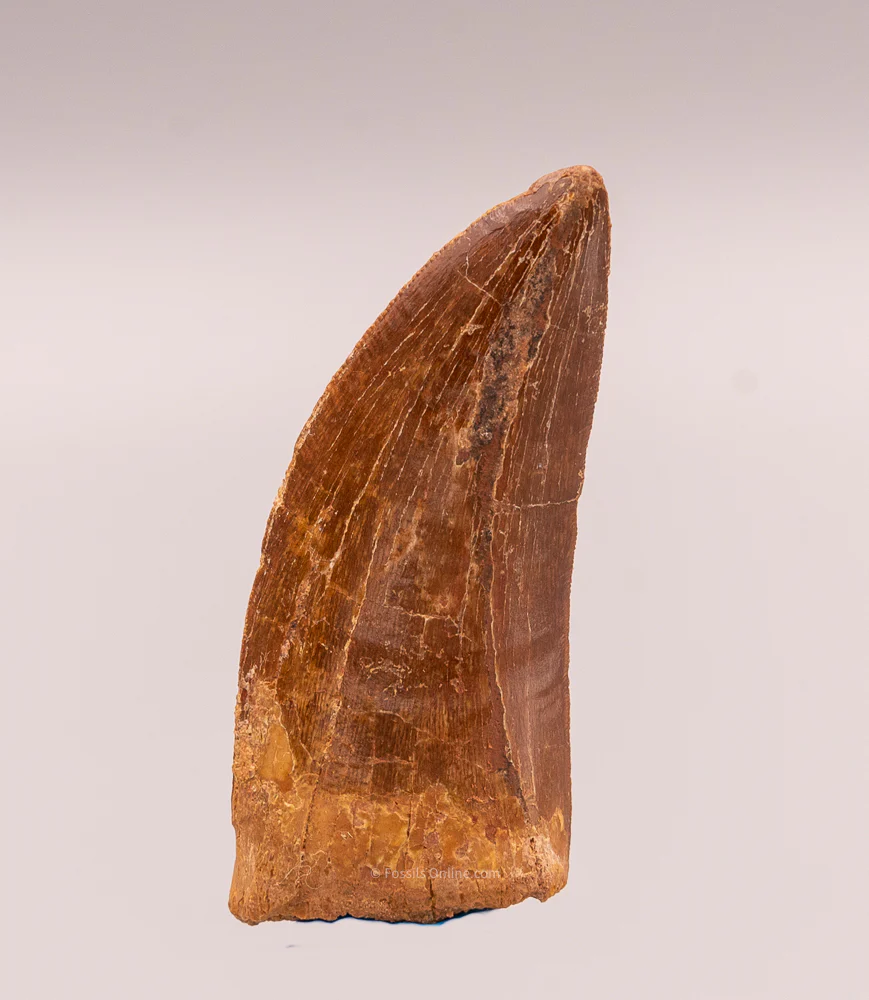


The Triceratops, lived during the Late Cretaceous period, approximately 68 to 66 million years ago. This herbivorous species is distinguished by its large body, strong legs, and three prominent facial horns - one on the nose and one above each eye. The most striking feature of Triceratops is its large skull, which includes a solid frill at the back. This frill, combined with the horns, was likely used for defense against predators, such as Tyrannosaurus rex , as well as for display and species recognition among other Triceratops. Fossil evidence indicates that these dinosaurs could grow up to 30 feet in length and weigh between 6 to 12 tons. Their teeth were arranged in groups that formed a constantly replaced battery, ideal for their diet of fibrous plants. Triceratops fossils are among the most abundant for any dinosaur, making it a key species for understanding the Late Cretaceous period.