Original: $11,933.00
-70%$11,933.00
$3,579.90The Story
Rare find.
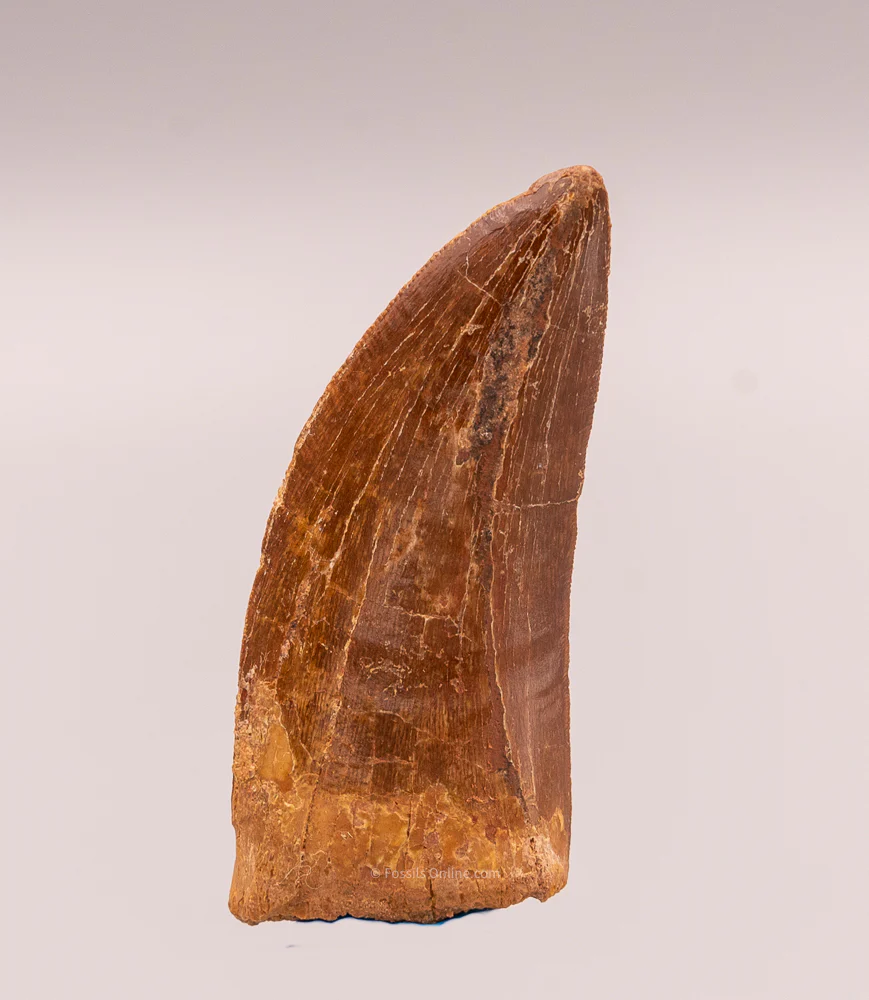
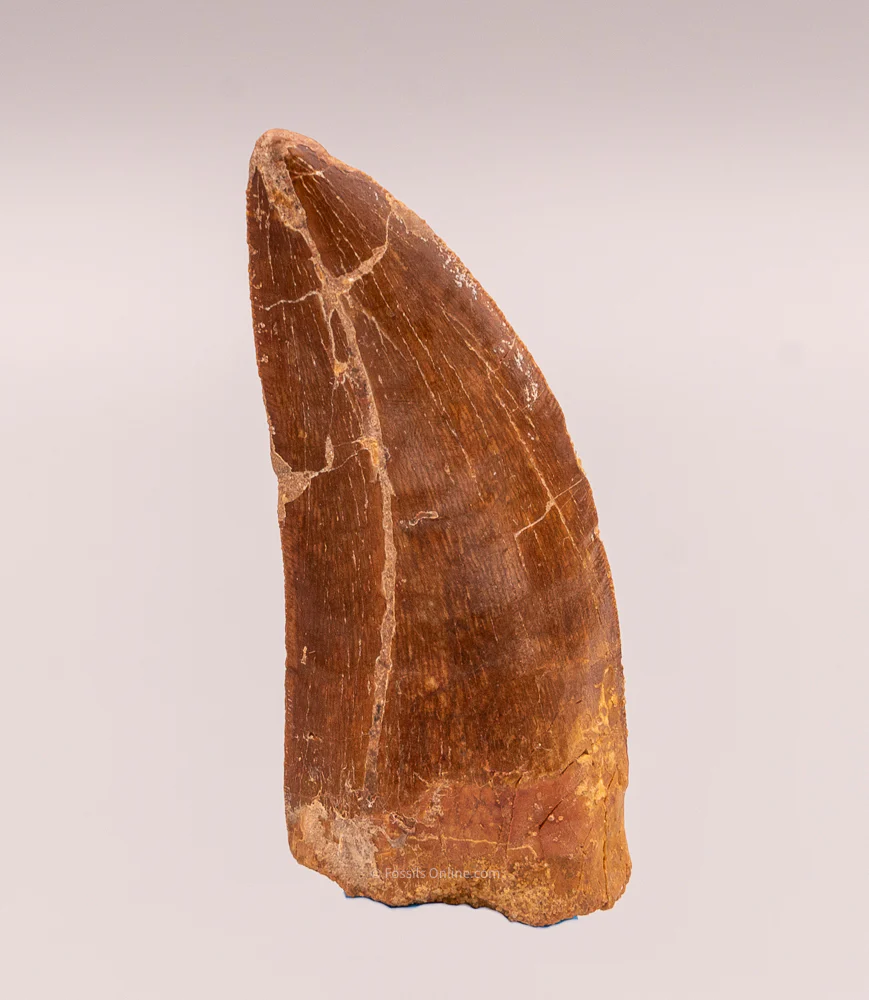
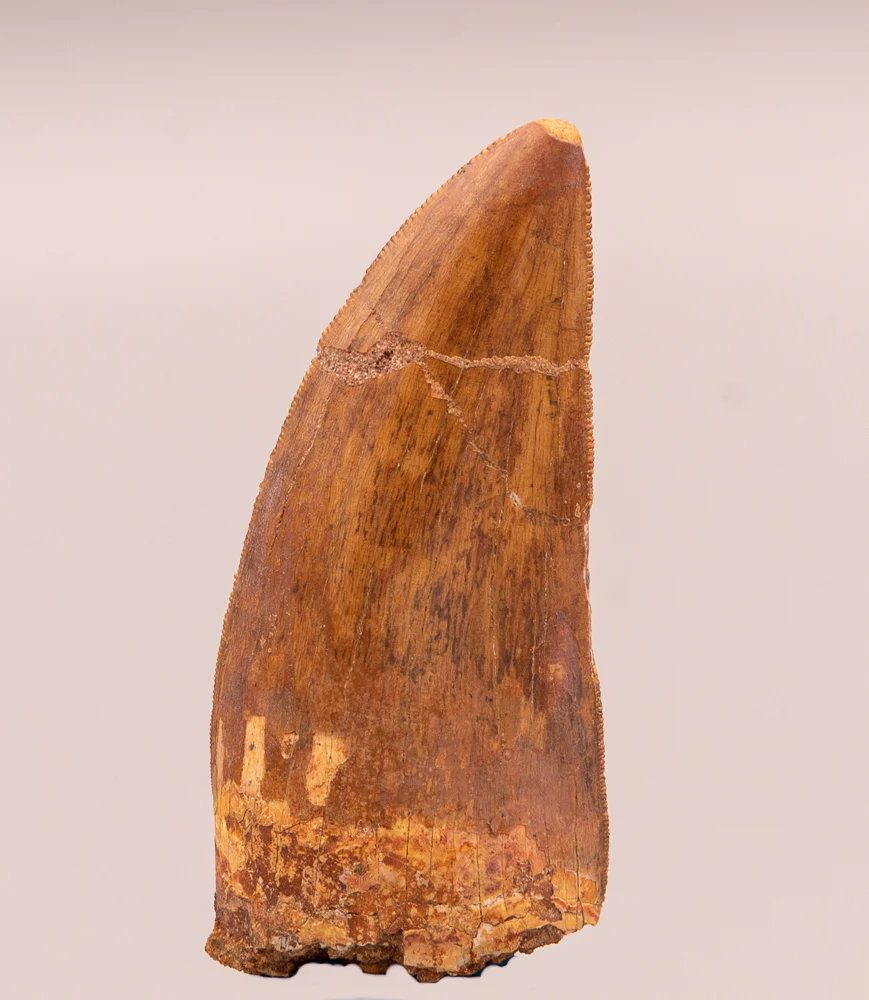
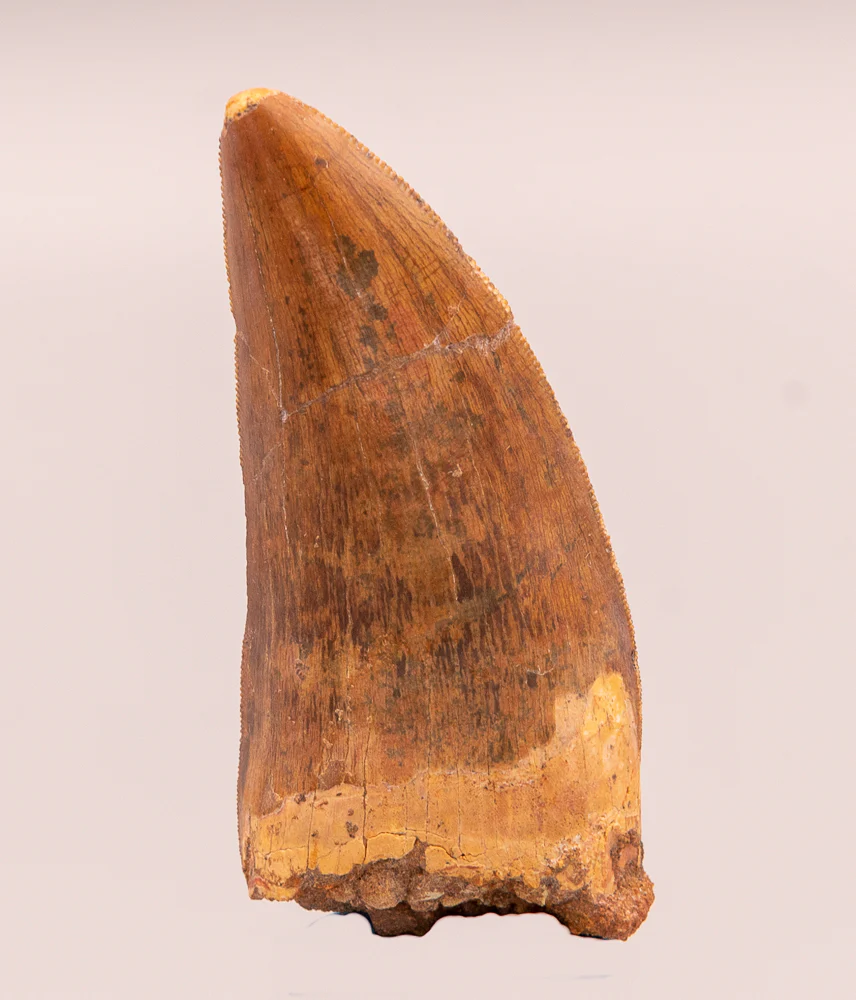
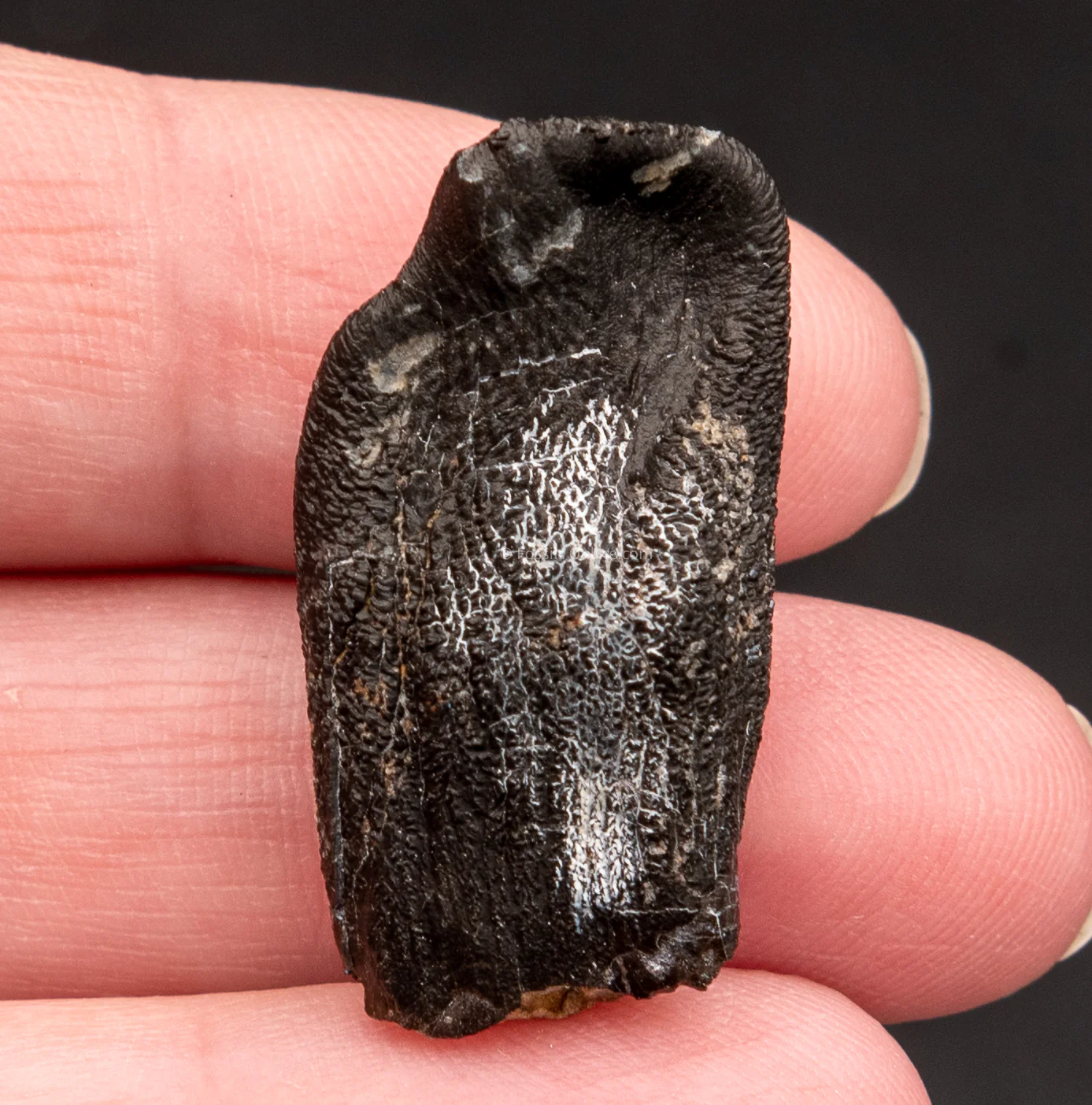
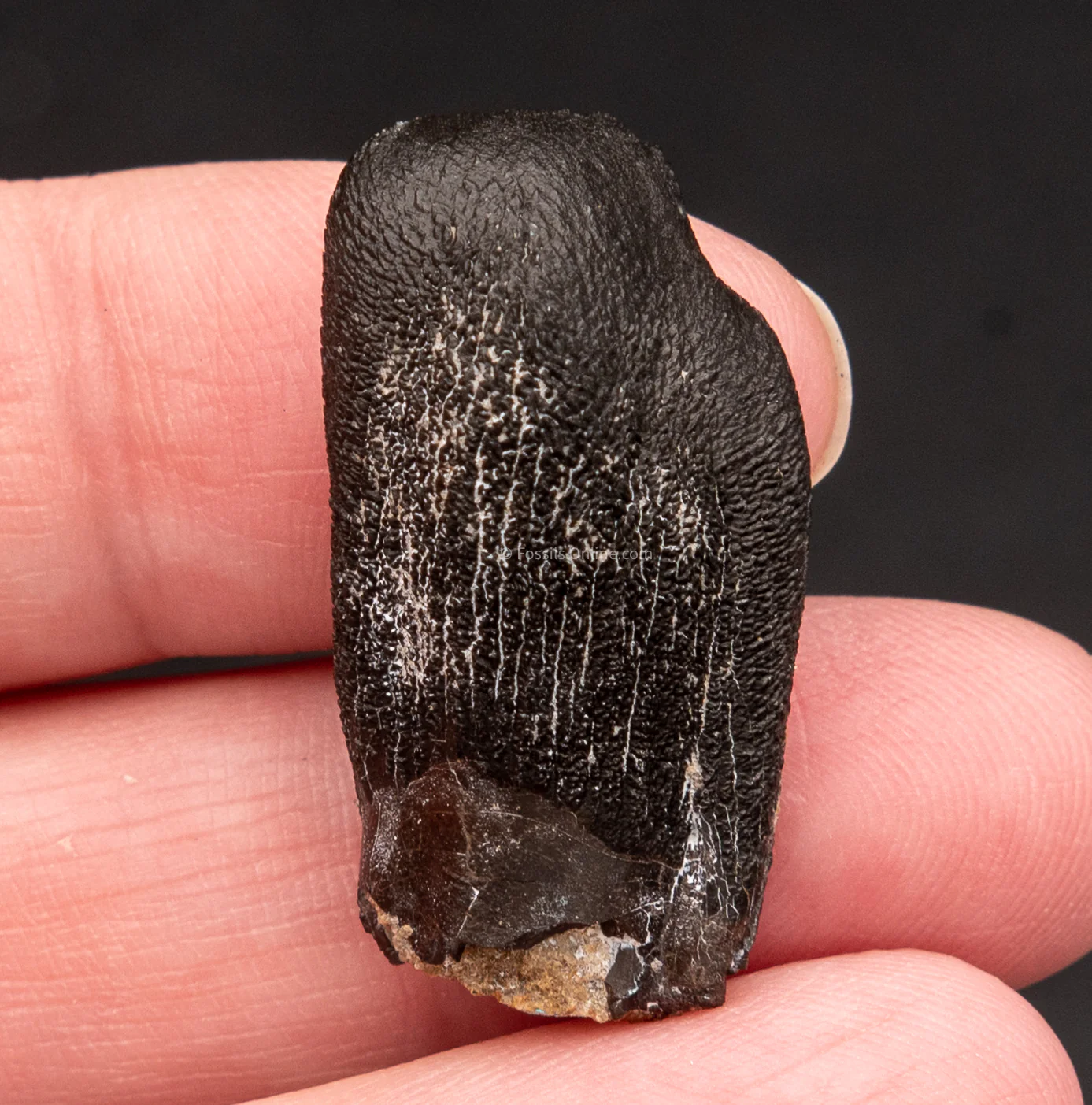
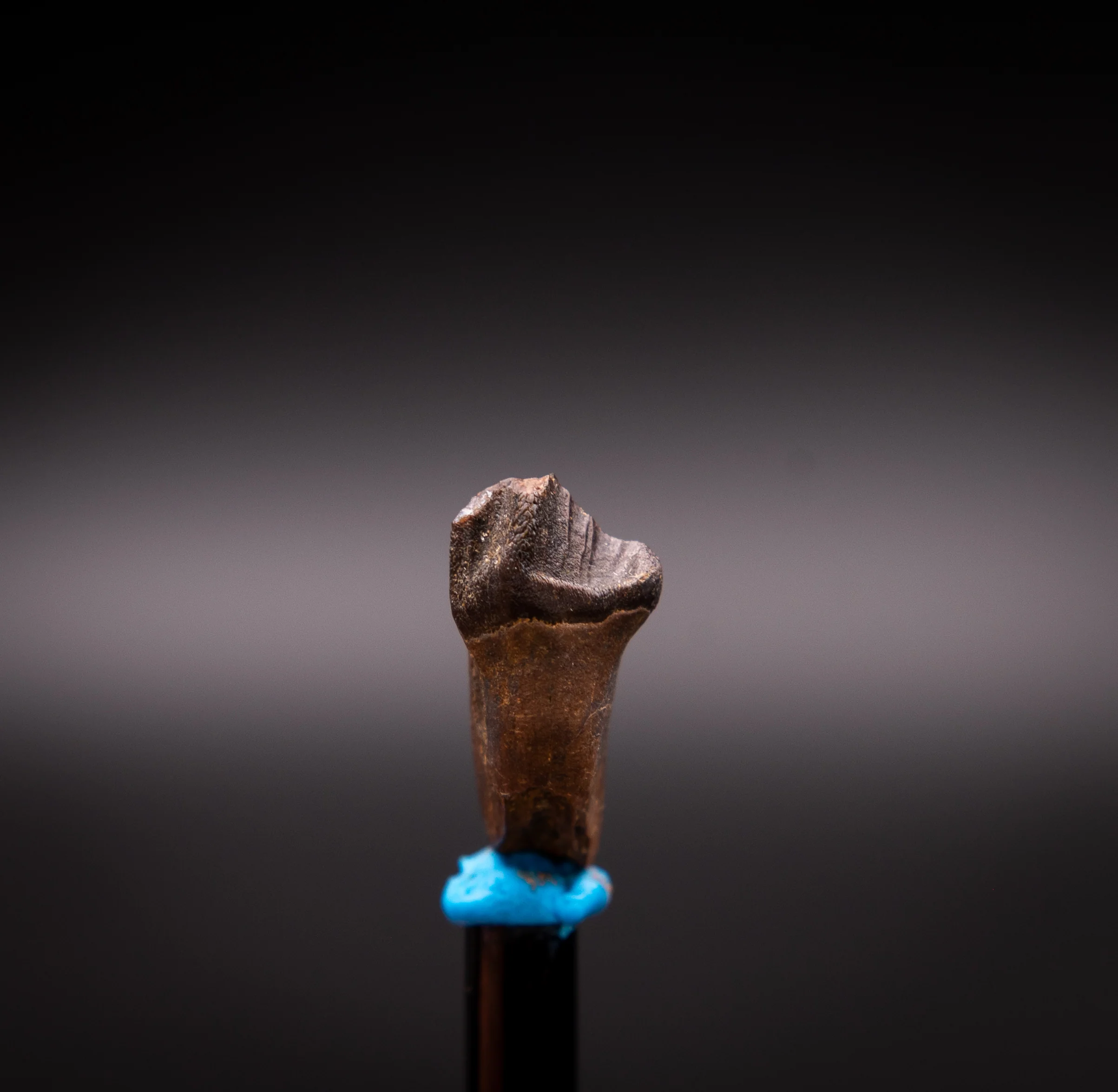
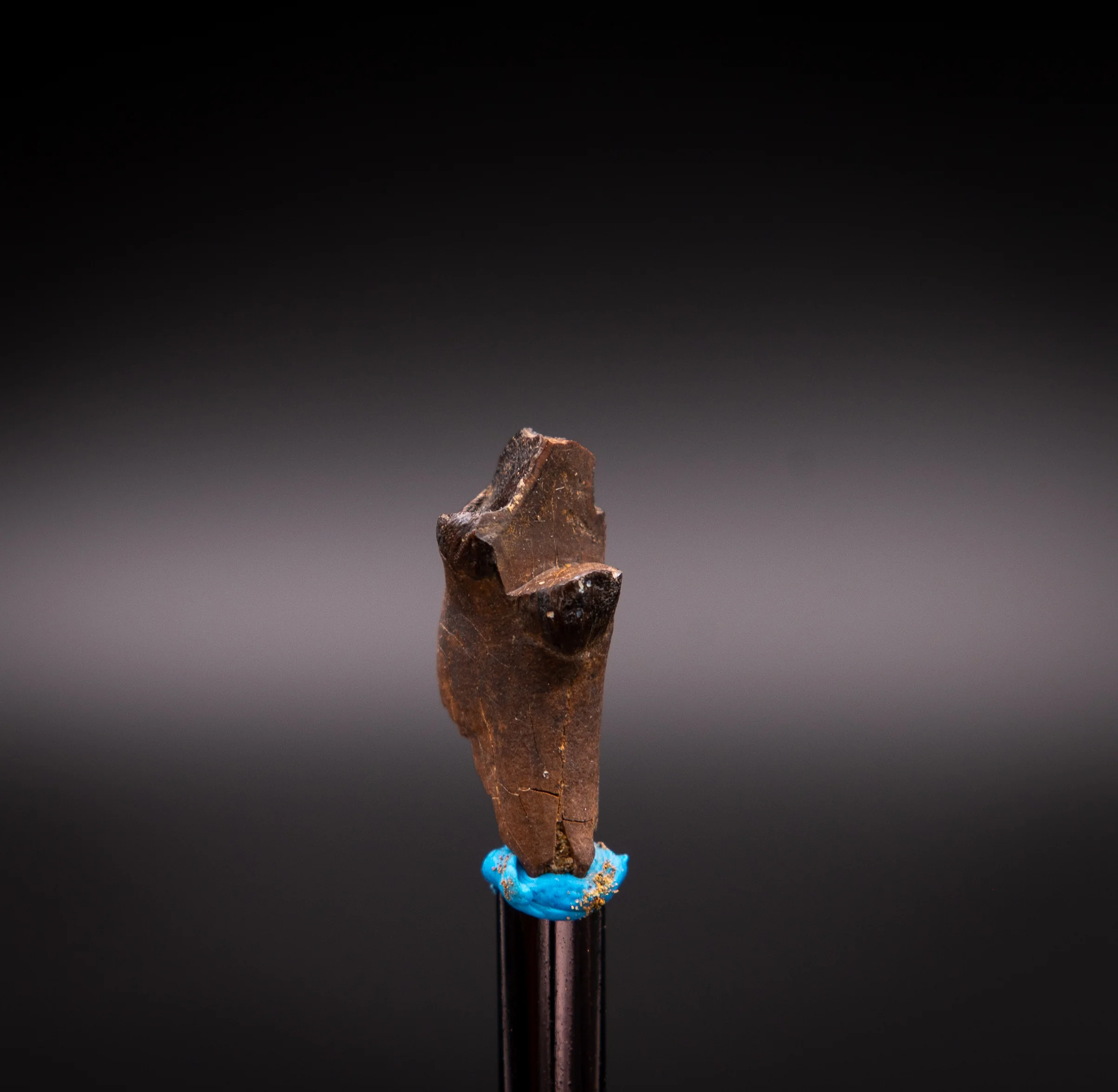
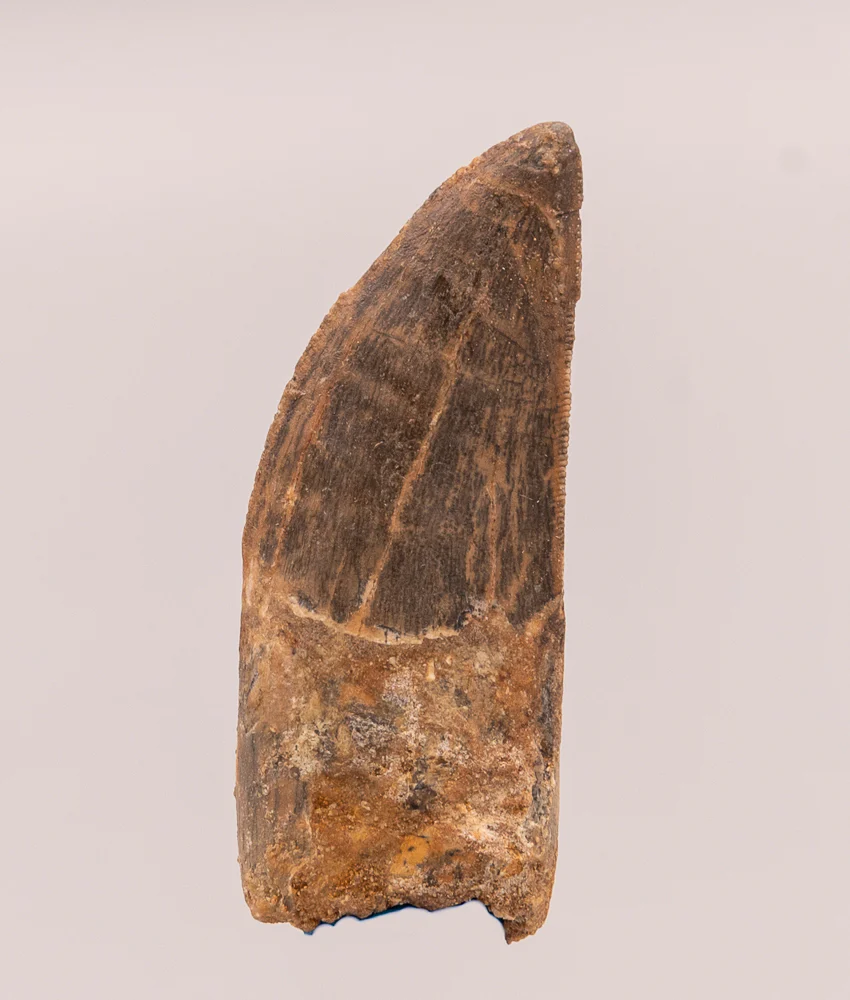
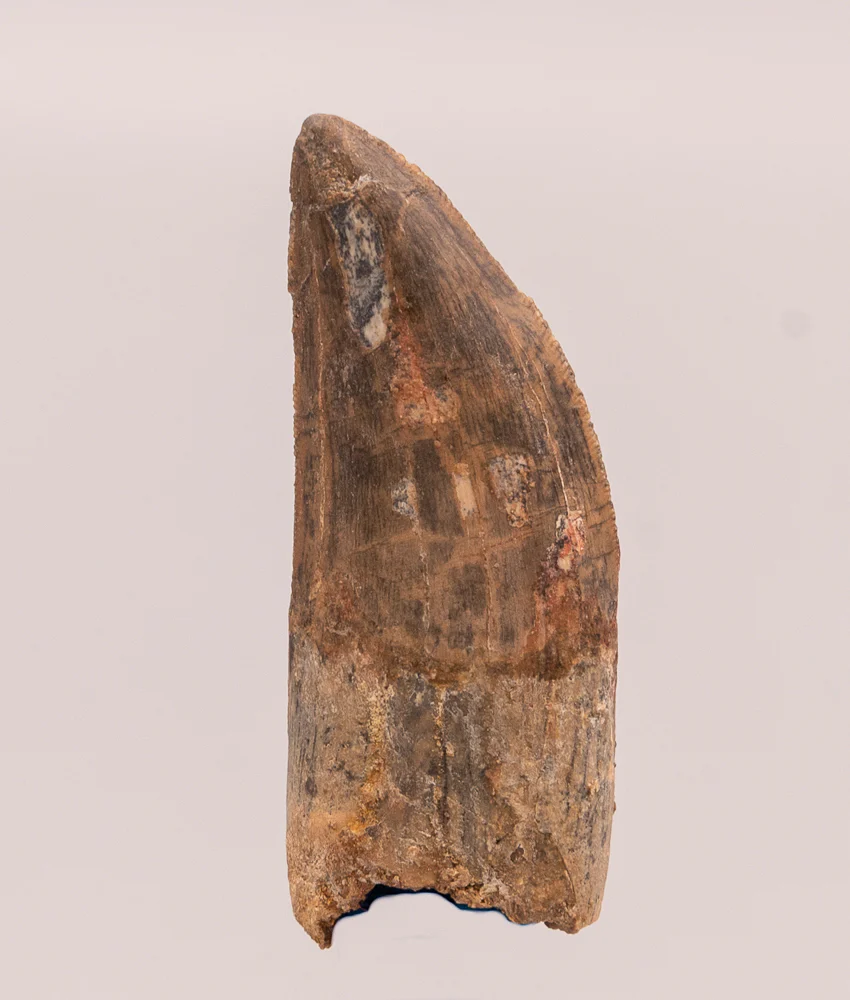
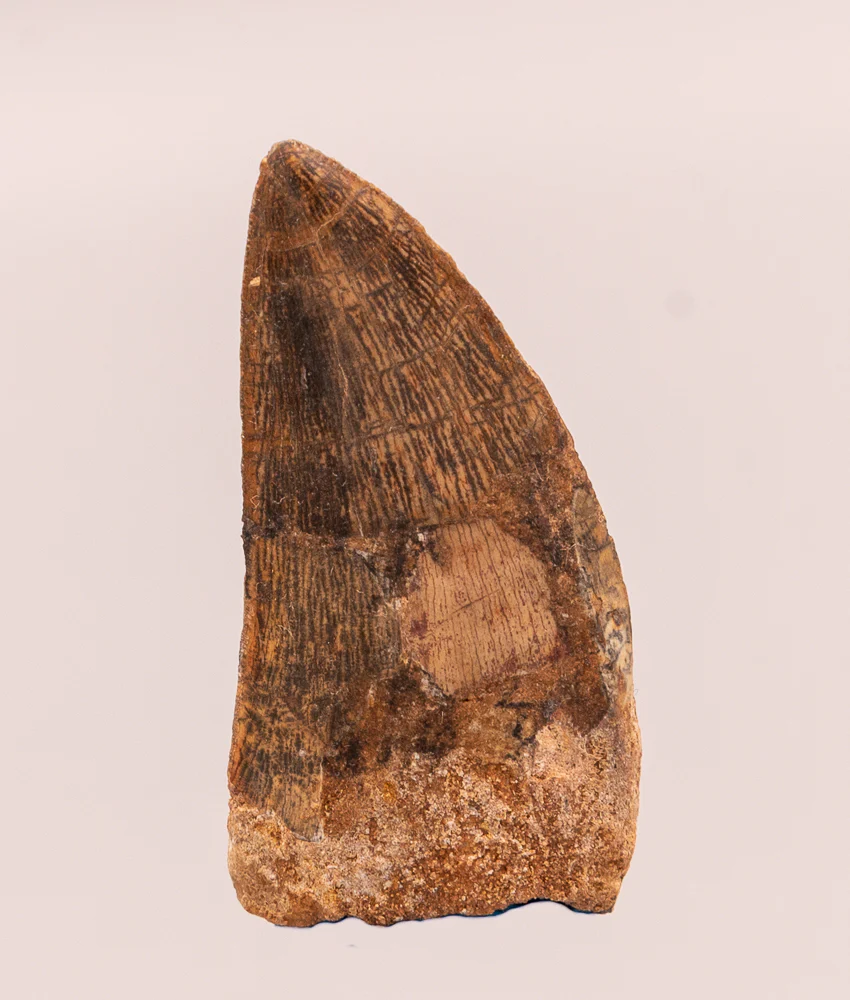
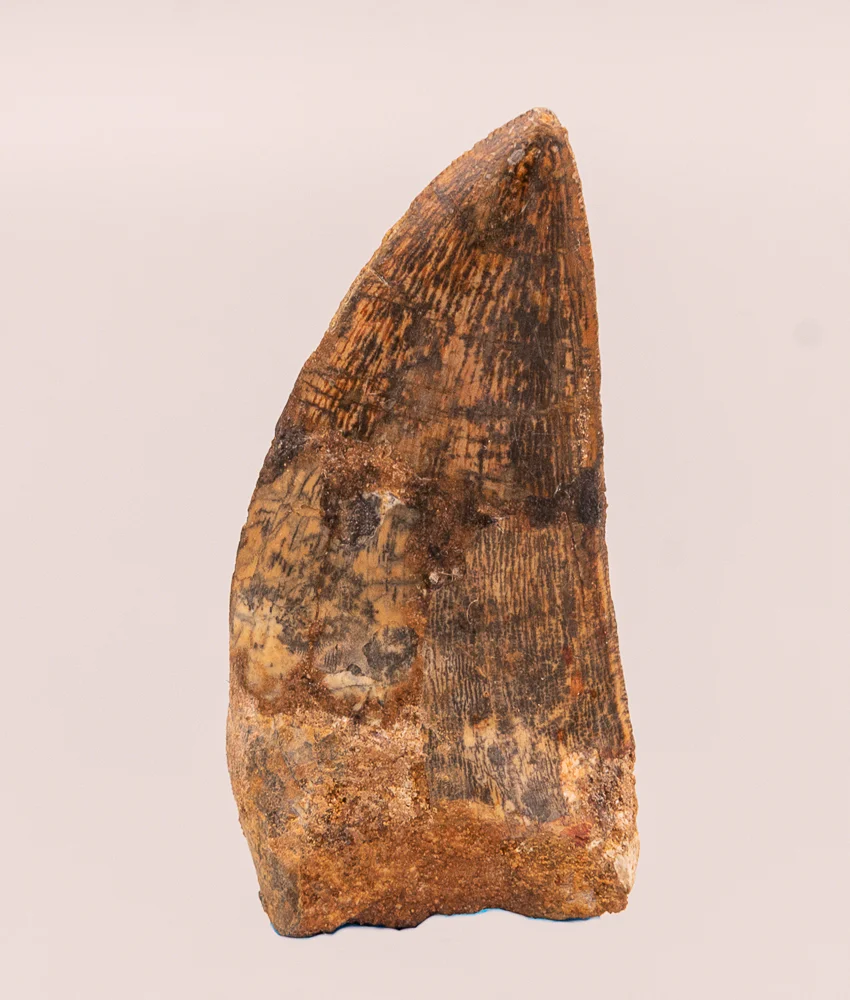
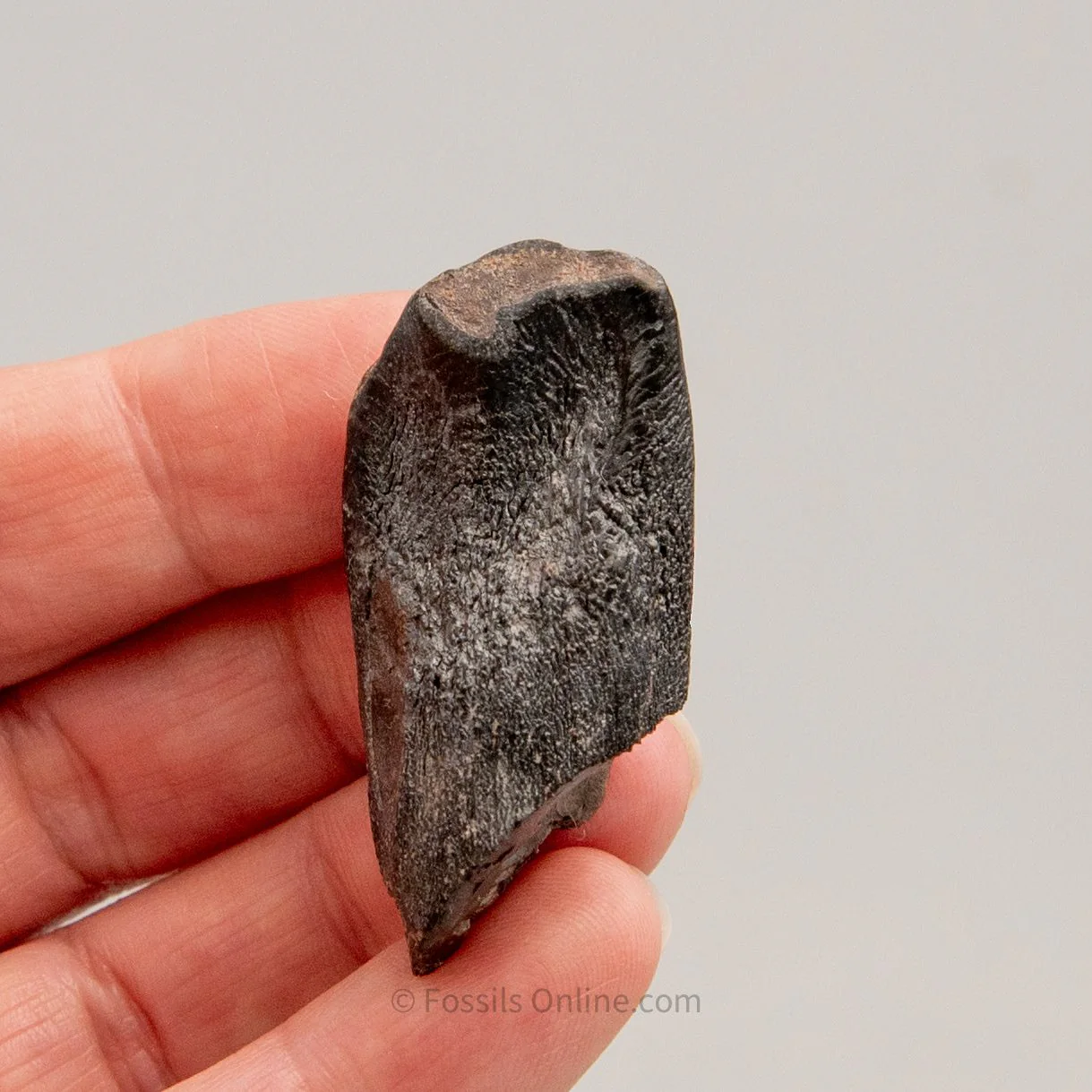
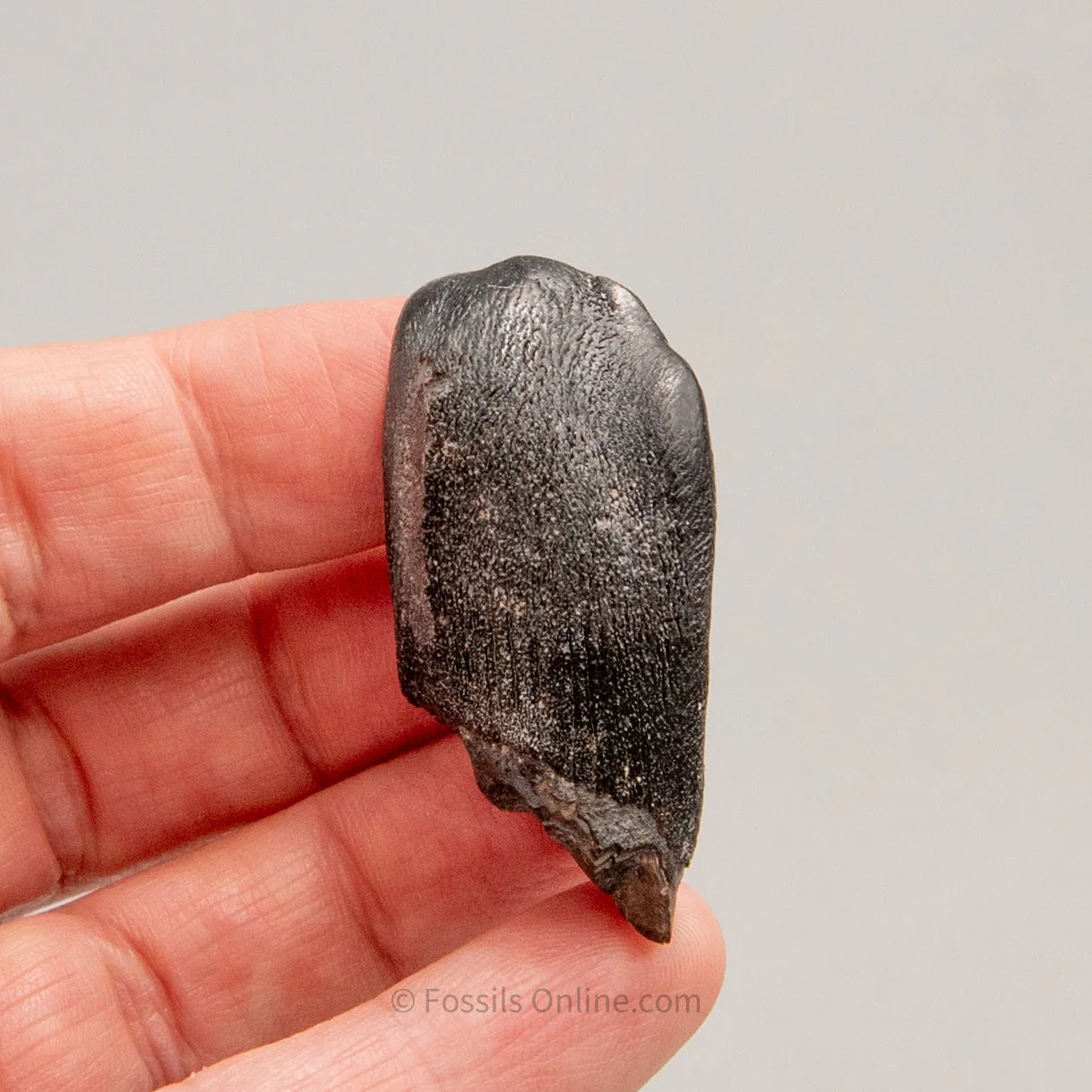
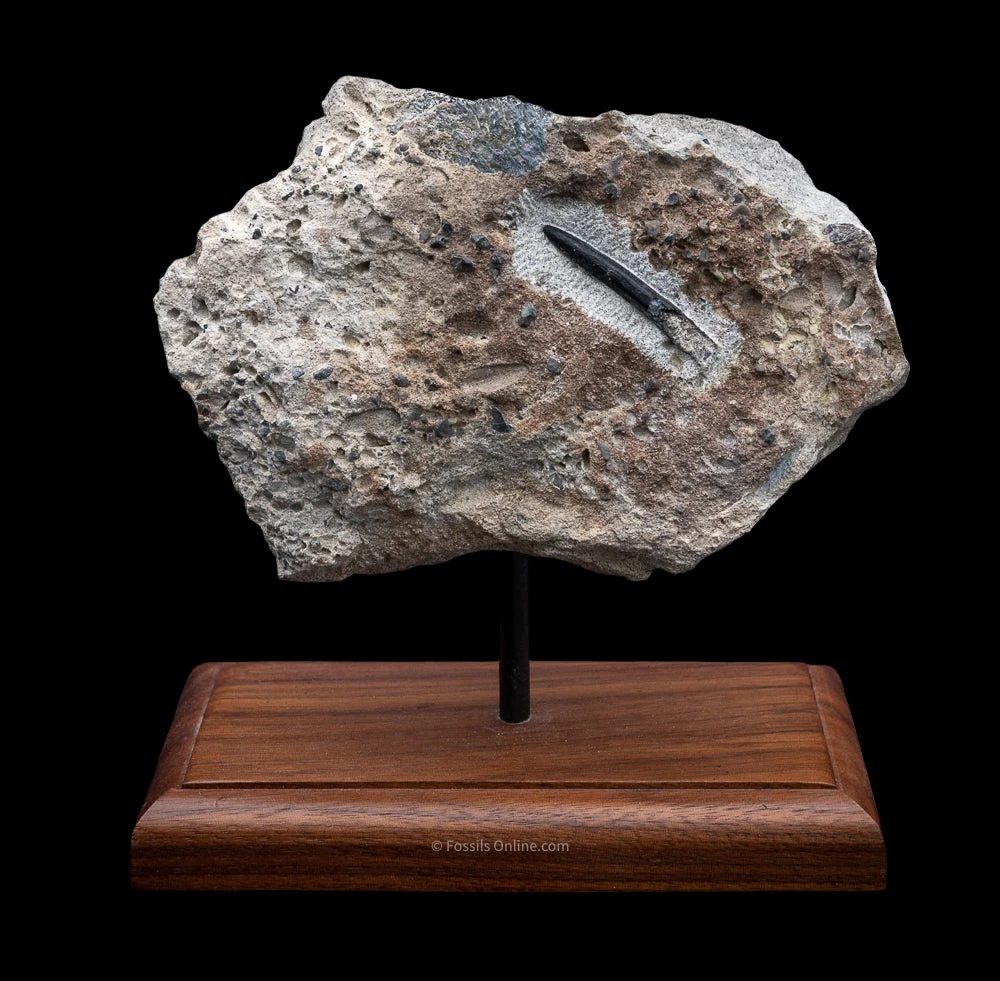
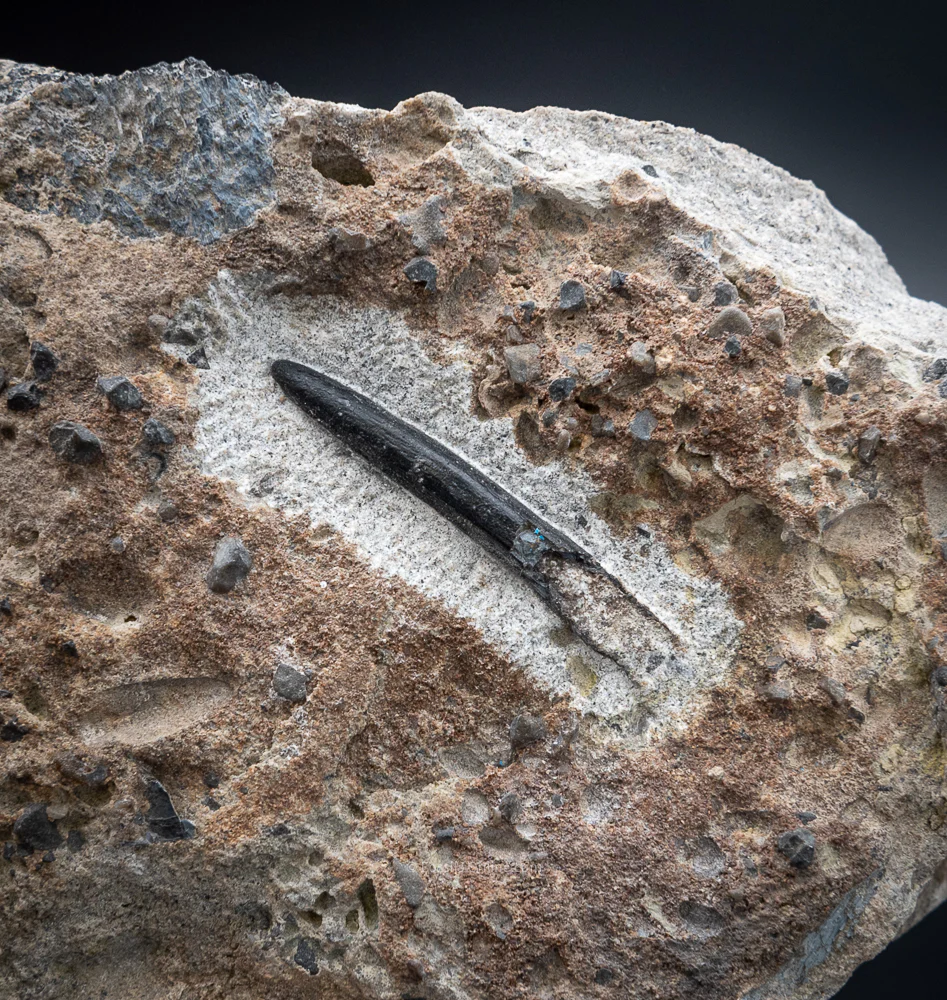
Excellent, mostly rooted tooth with no repair or restoration. Only stabilization.
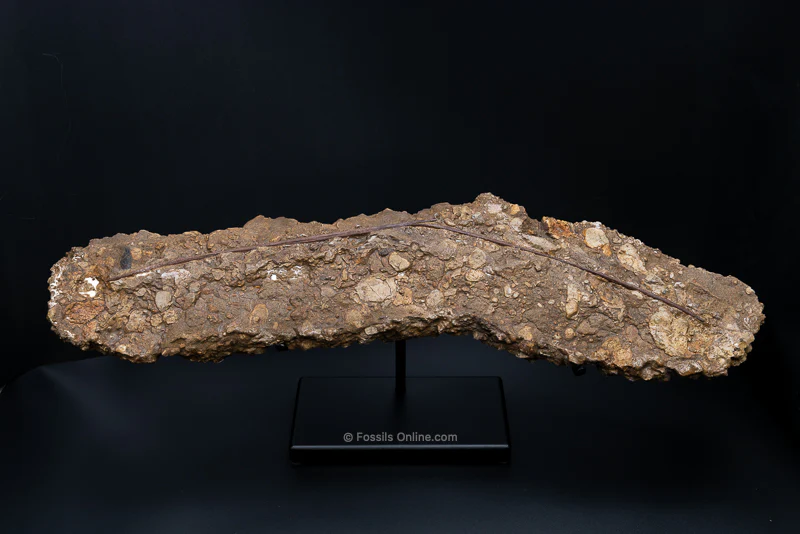
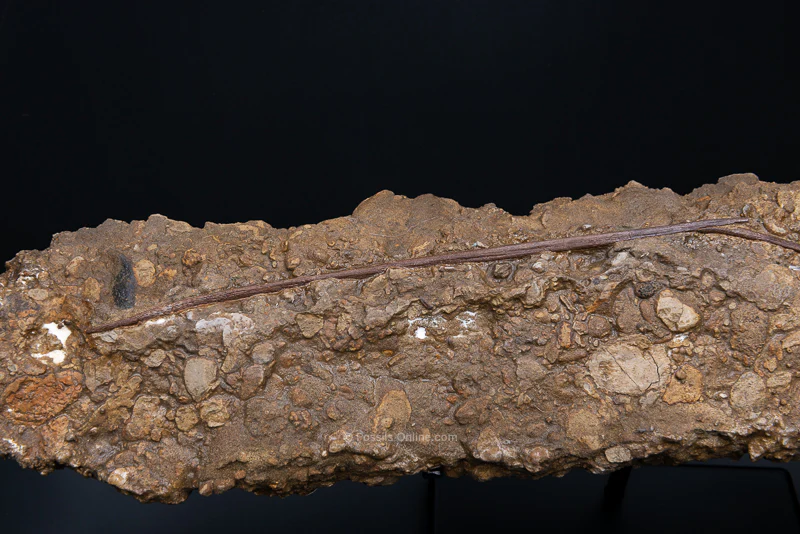
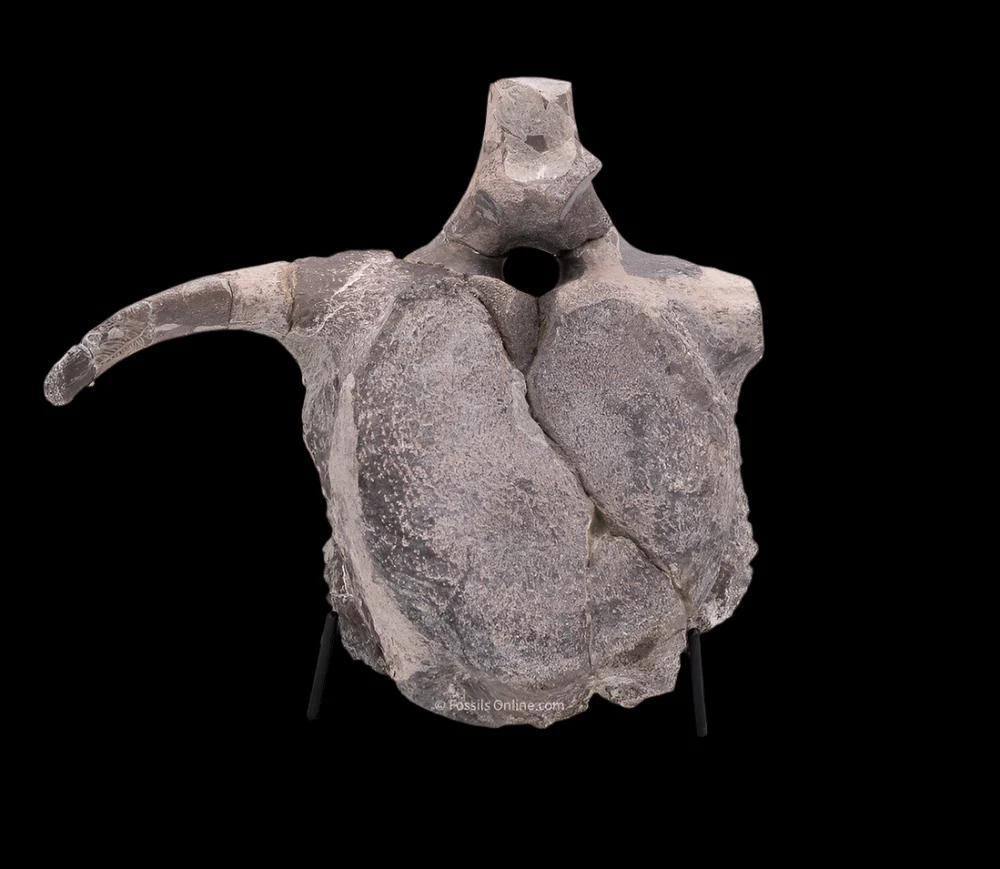
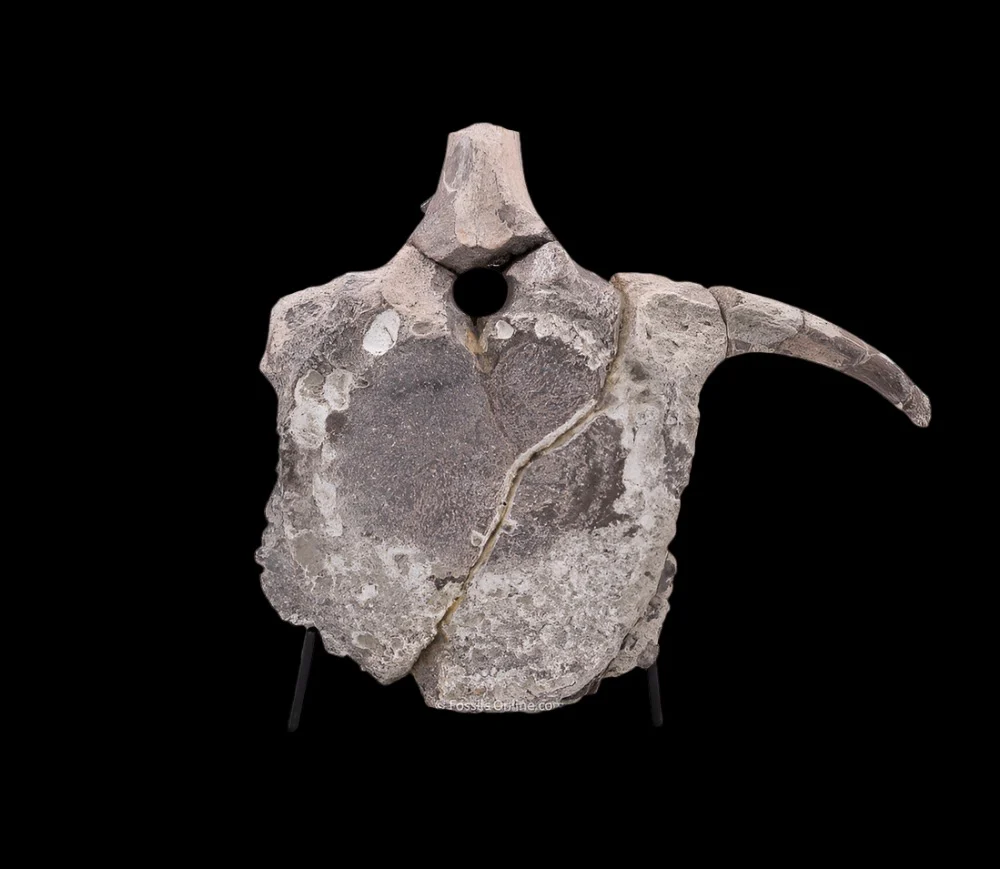
Diplodocus carnegii, a species of the larger Diplodocus genus, was a prominent sauropod dinosaur from the Late Jurassic period, approximately 154 to 150 million years ago. This dinosaur is notable for its elongated neck and tail, which contributed to its impressive length, potentially reaching up to 90 feet. Unlike the bulkier sauropods, Diplodocus had a relatively slender build. Its four sturdy legs supported a long, whip-like tail and an equally lengthy neck, which it likely used to browse for vegetation at various heights.
The skull of Diplodocus carnegii was small in comparison to its body, with nostrils positioned at the top of the head. Its teeth were peg-like, suitable for stripping foliage, and were limited to the front of the mouth. Diplodocus is often portrayed with a row of spines running down its back, based on fossil evidence.
This species was named after the industrialist Andrew Carnegie, following the discovery of a nearly complete skeleton in the late 19th century in the Western United States, a region that has yielded numerous Diplodocus fossils. As one of the best-represented sauropods in the fossil record, Diplodocus carnegii has significantly contributed to our understanding of these giant dinosaurs.

Details & Craftsmanship
Every detail has been carefully considered to bring you the perfect product.
Details & Craftsmanship
Every detail has been carefully considered to bring you the perfect product.
Description
Rare find.
Excellent, mostly rooted tooth with no repair or restoration. Only stabilization.
Diplodocus carnegii, a species of the larger Diplodocus genus, was a prominent sauropod dinosaur from the Late Jurassic period, approximately 154 to 150 million years ago. This dinosaur is notable for its elongated neck and tail, which contributed to its impressive length, potentially reaching up to 90 feet. Unlike the bulkier sauropods, Diplodocus had a relatively slender build. Its four sturdy legs supported a long, whip-like tail and an equally lengthy neck, which it likely used to browse for vegetation at various heights.
The skull of Diplodocus carnegii was small in comparison to its body, with nostrils positioned at the top of the head. Its teeth were peg-like, suitable for stripping foliage, and were limited to the front of the mouth. Diplodocus is often portrayed with a row of spines running down its back, based on fossil evidence.
This species was named after the industrialist Andrew Carnegie, following the discovery of a nearly complete skeleton in the late 19th century in the Western United States, a region that has yielded numerous Diplodocus fossils. As one of the best-represented sauropods in the fossil record, Diplodocus carnegii has significantly contributed to our understanding of these giant dinosaurs.