Original: $1,989.00
-70%$1,989.00
$596.70The Story
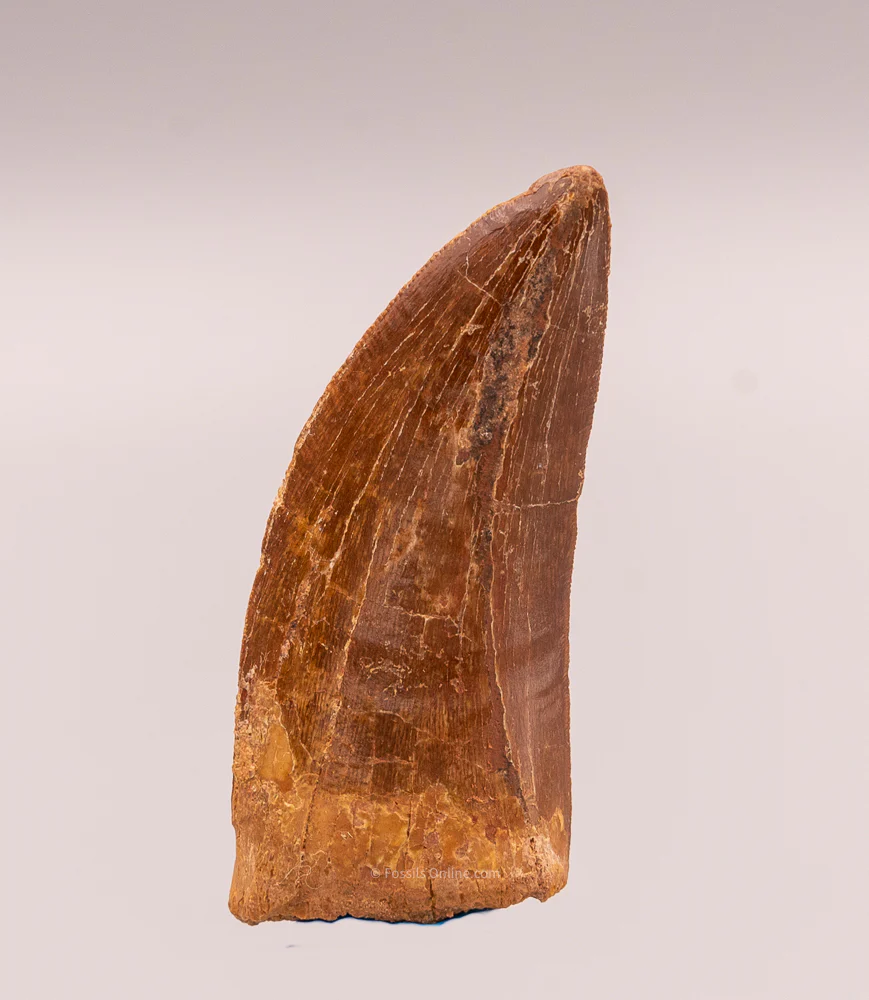
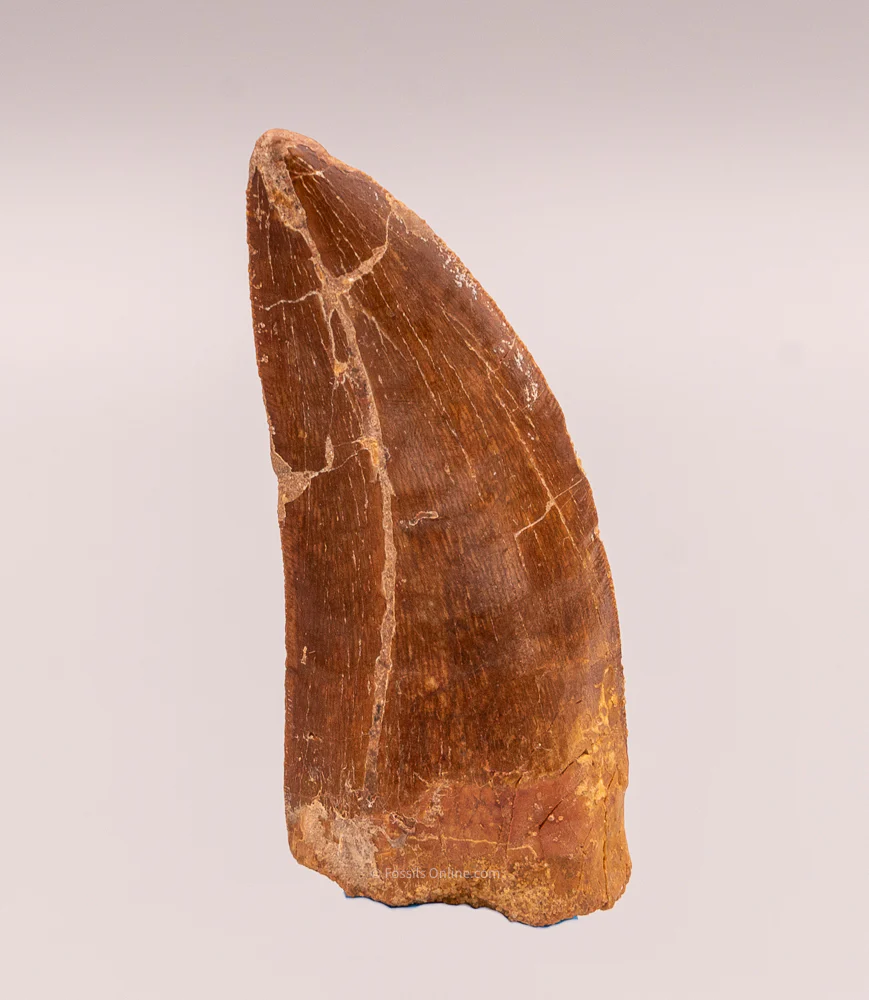
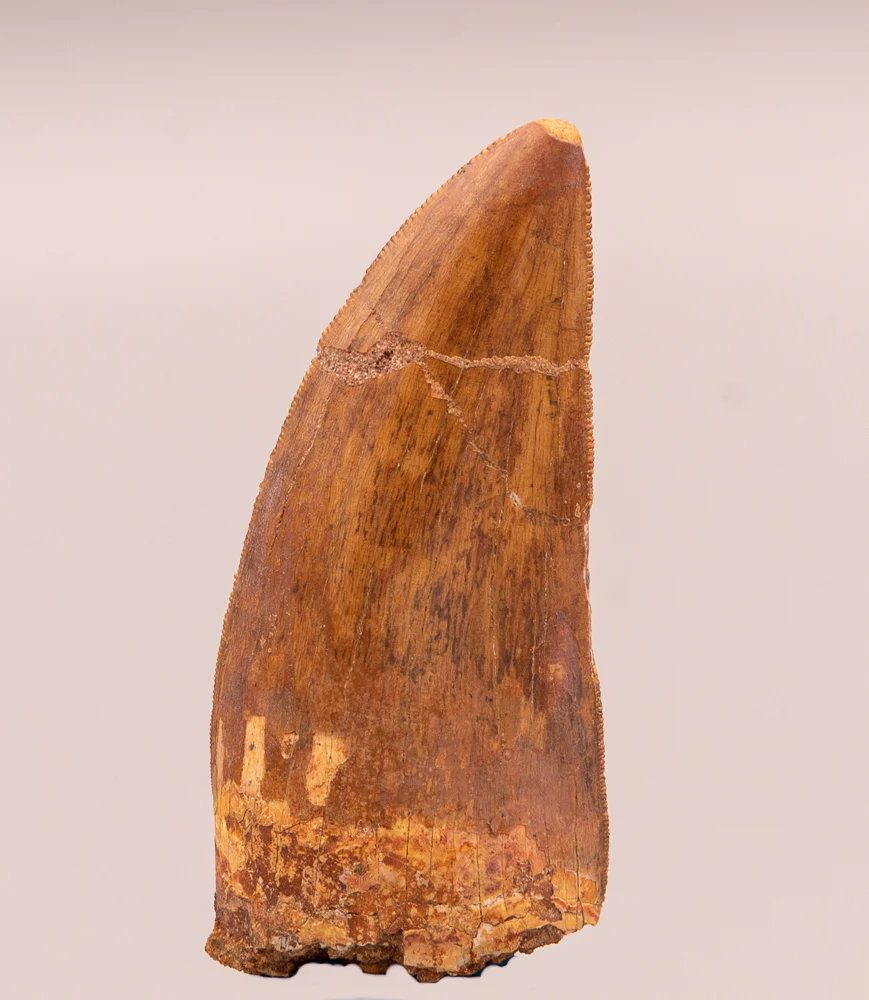
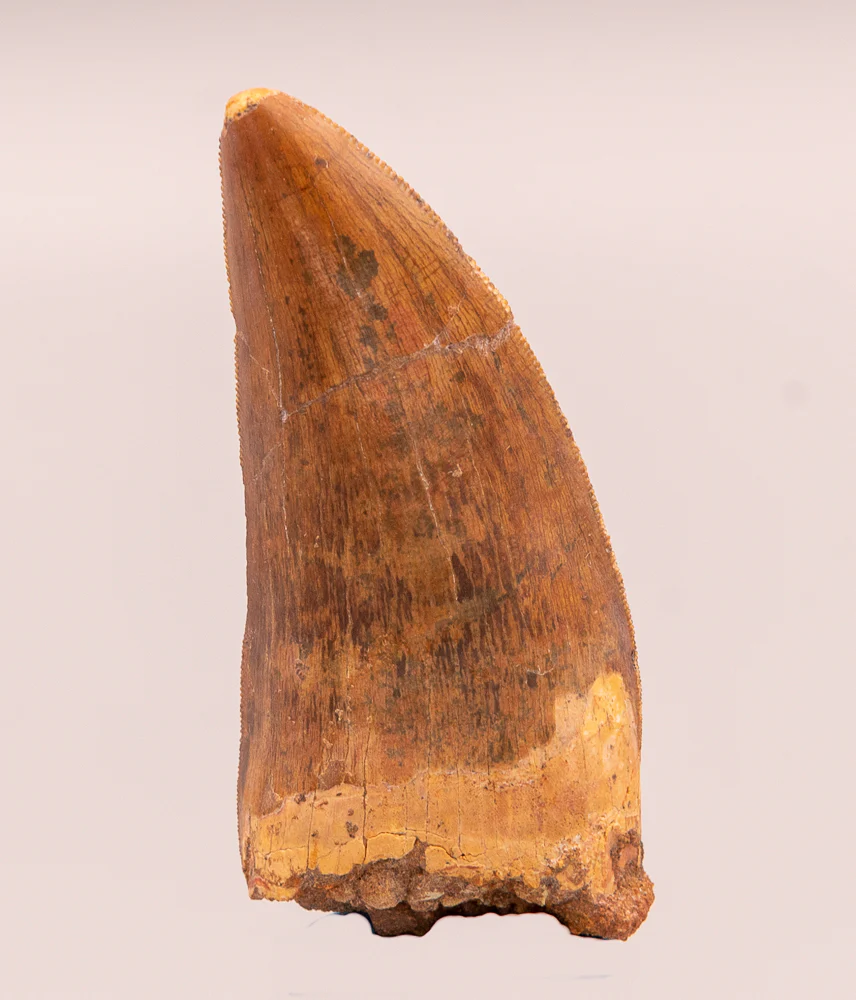
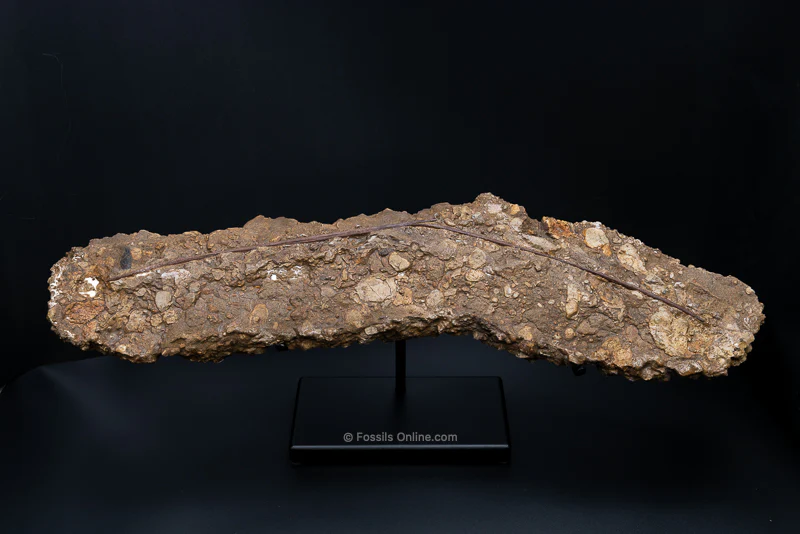
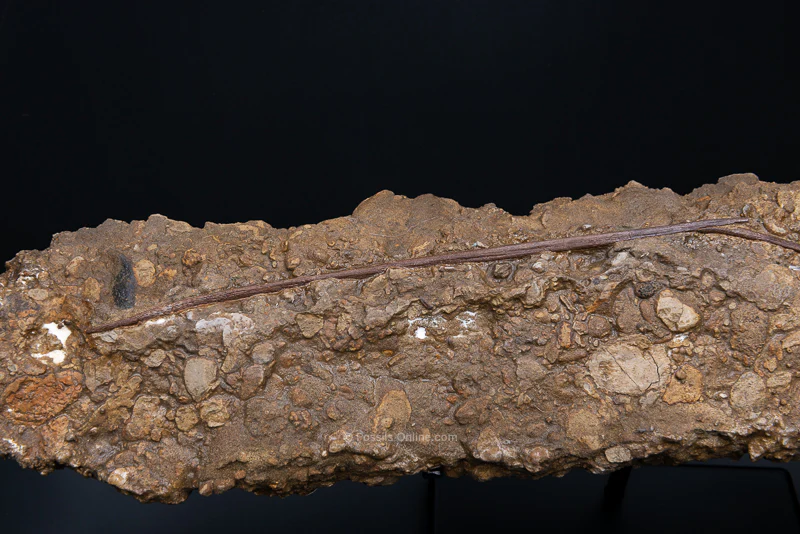
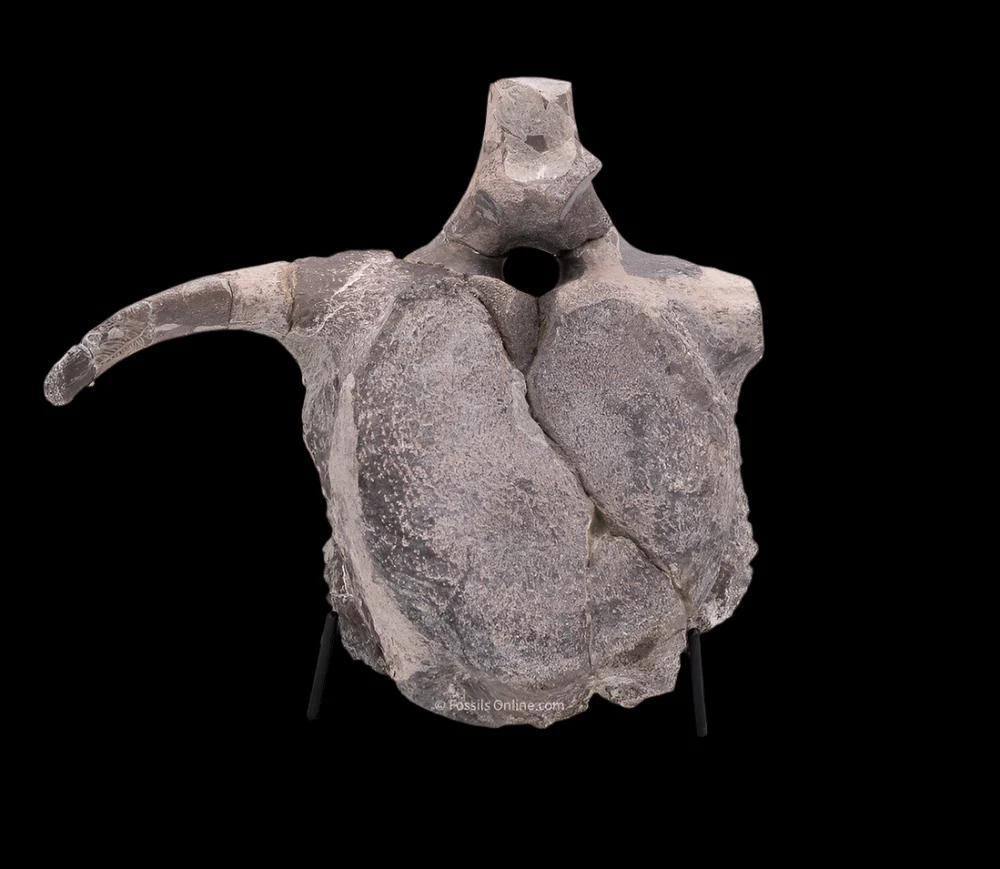
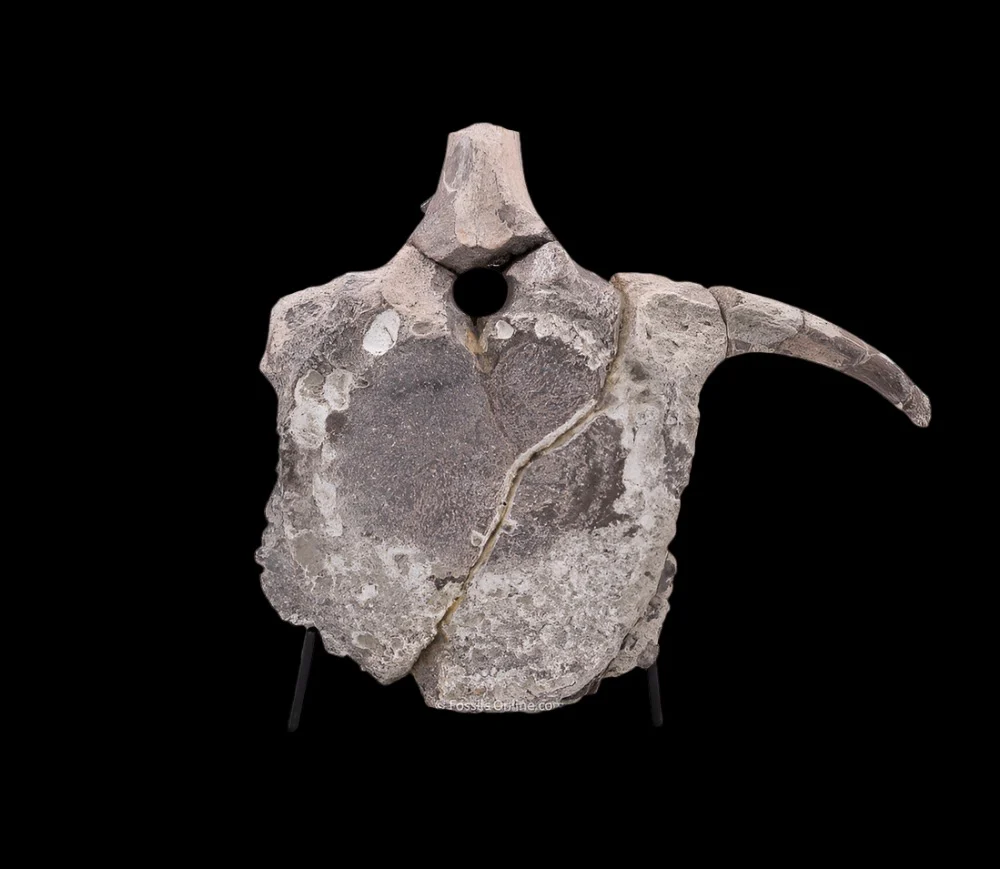
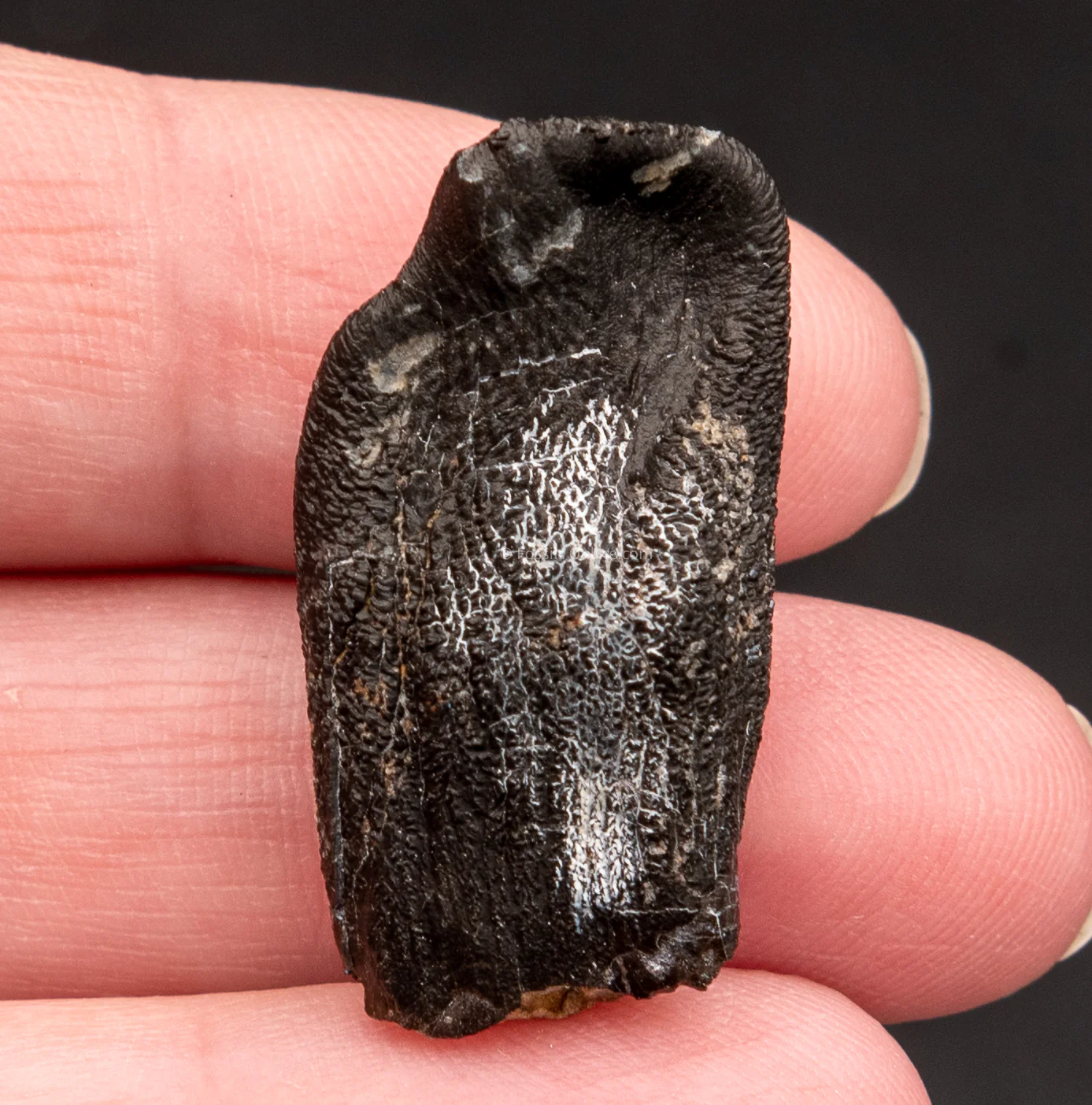
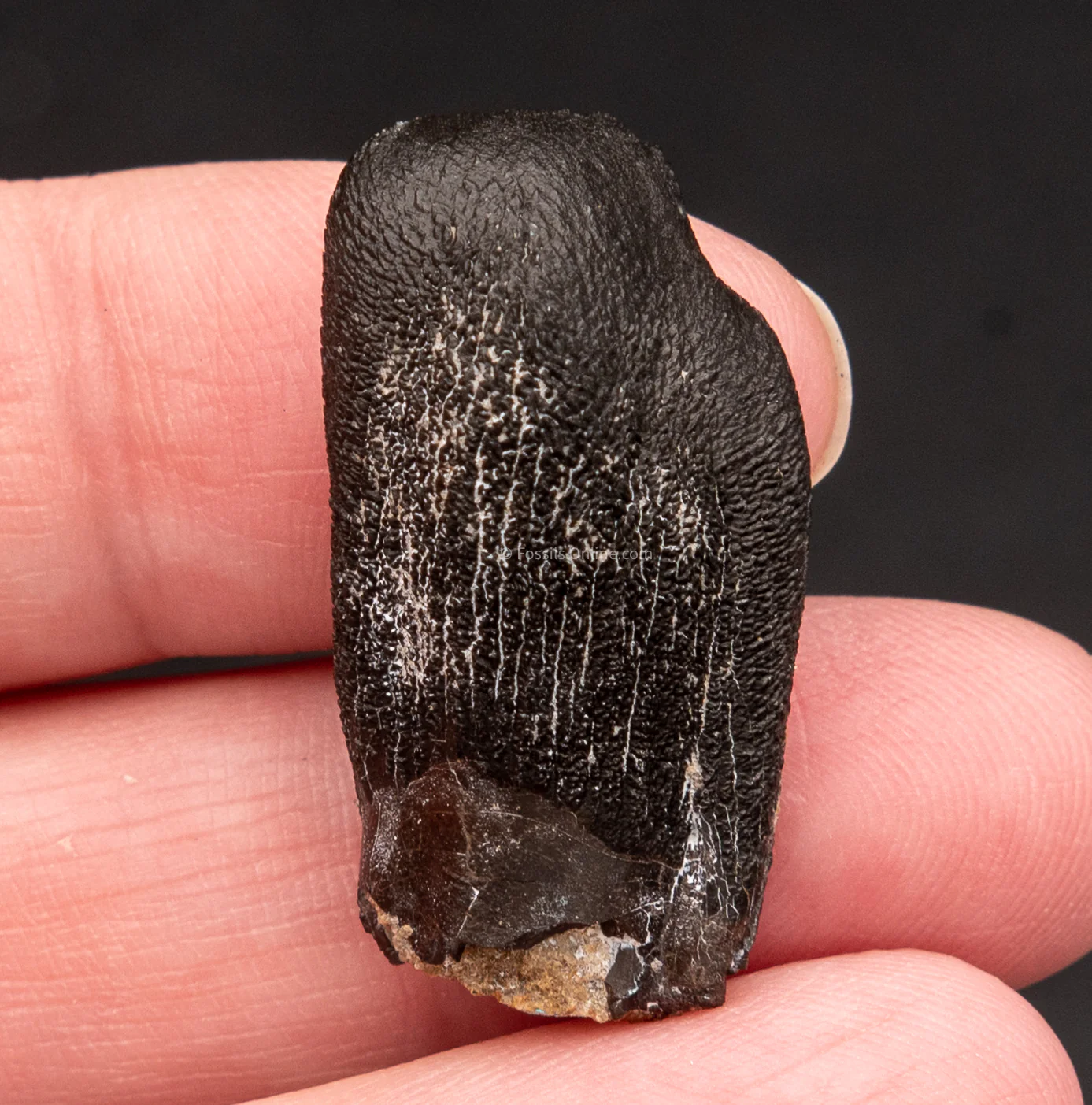
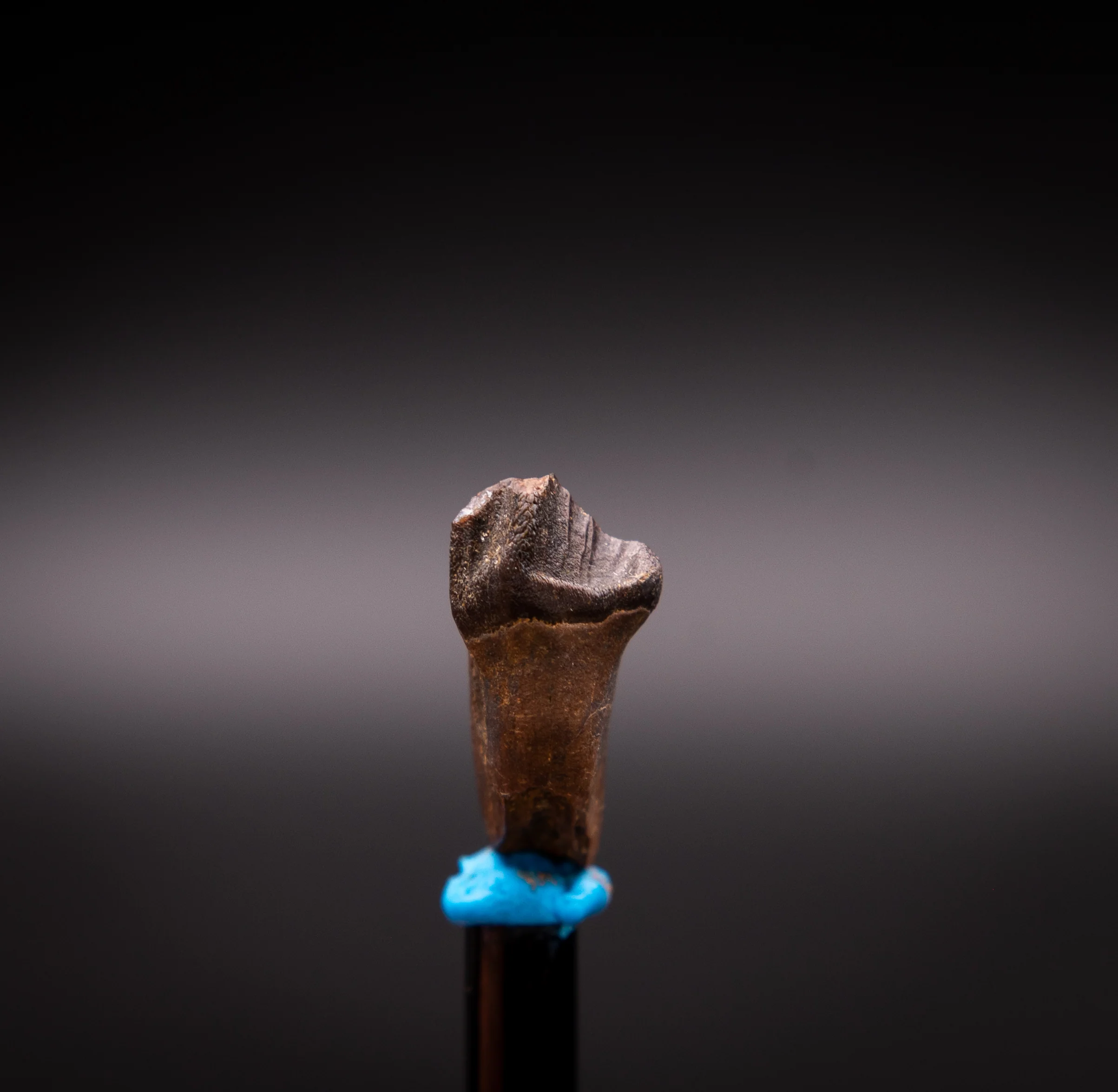
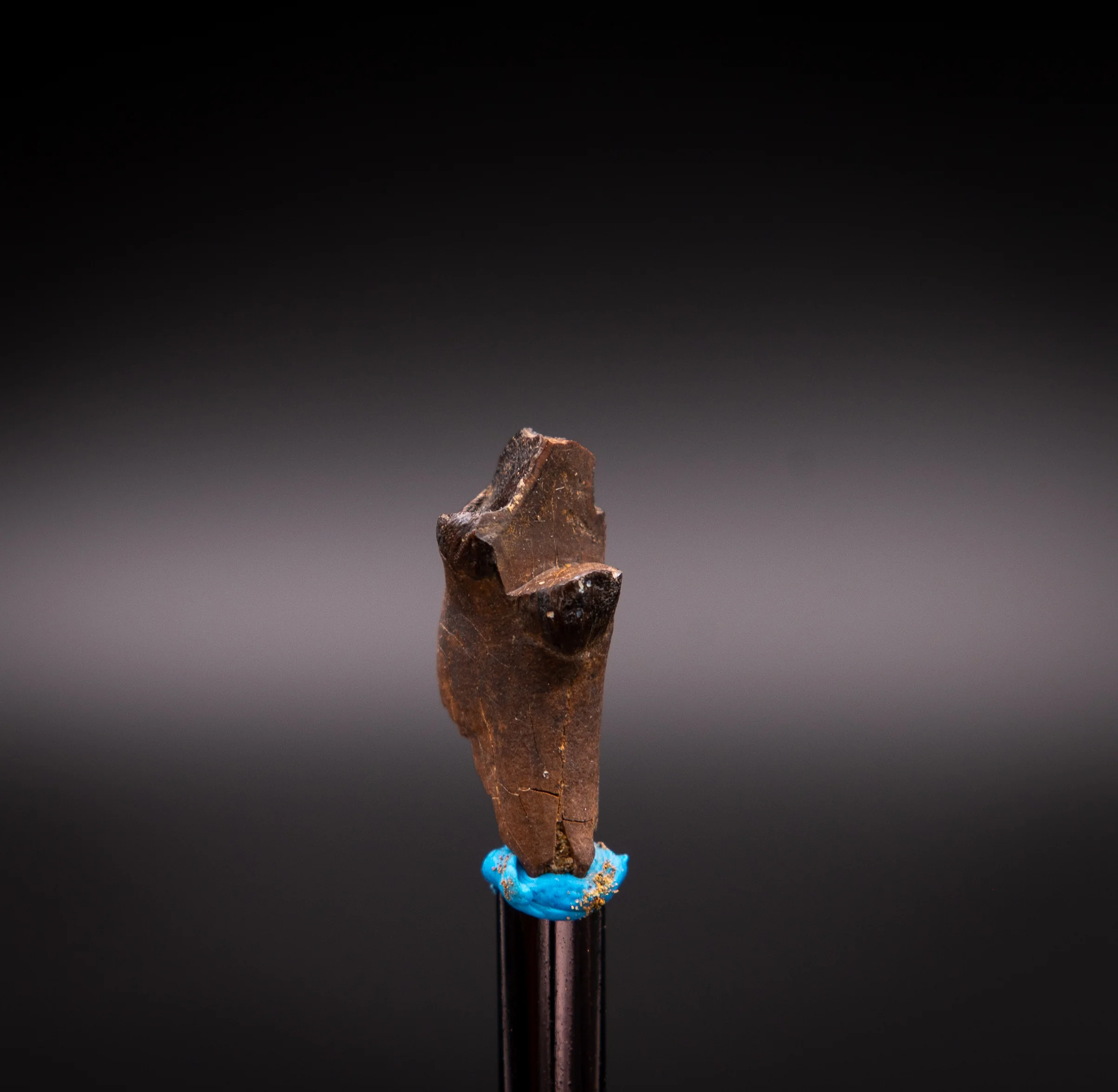
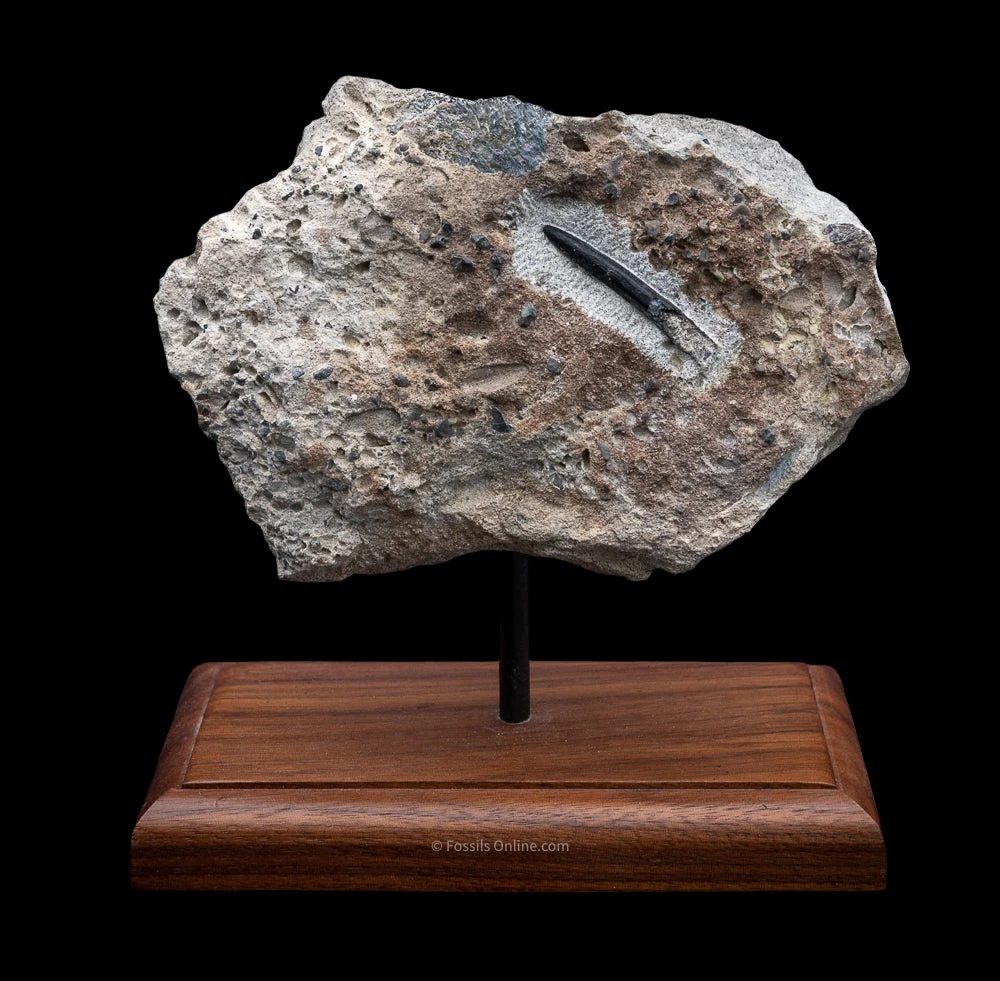
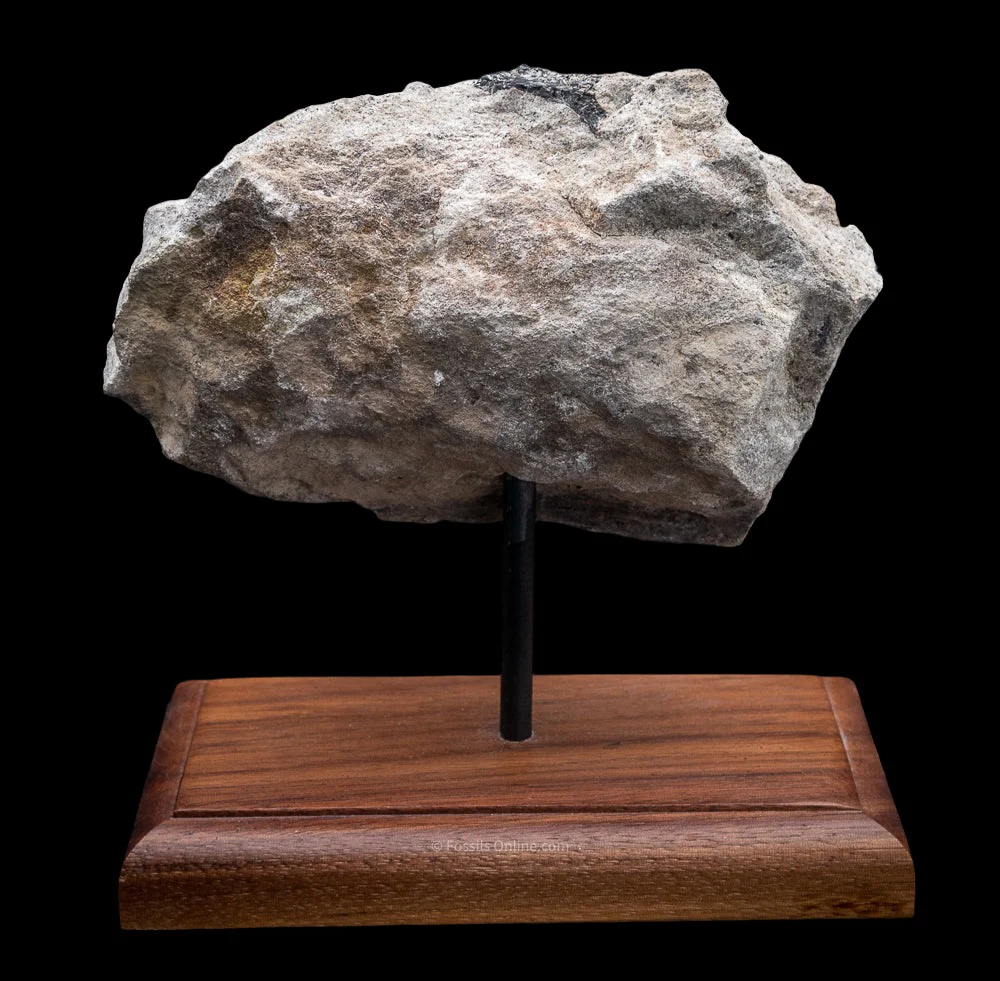
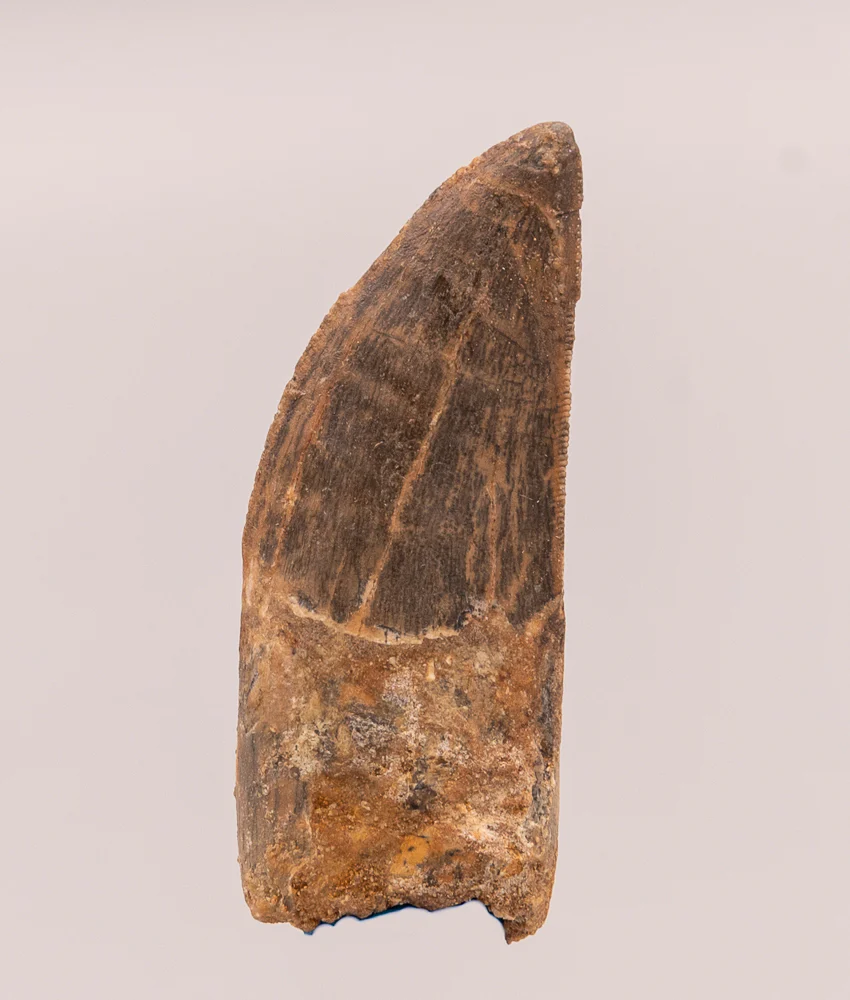
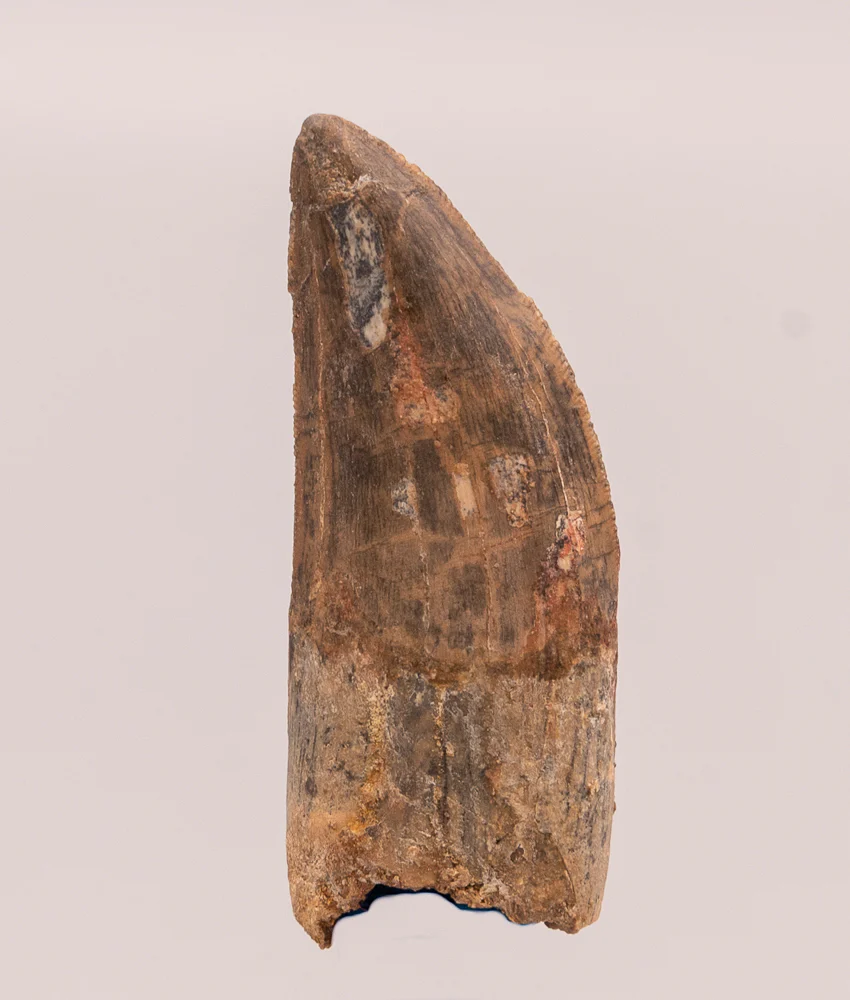
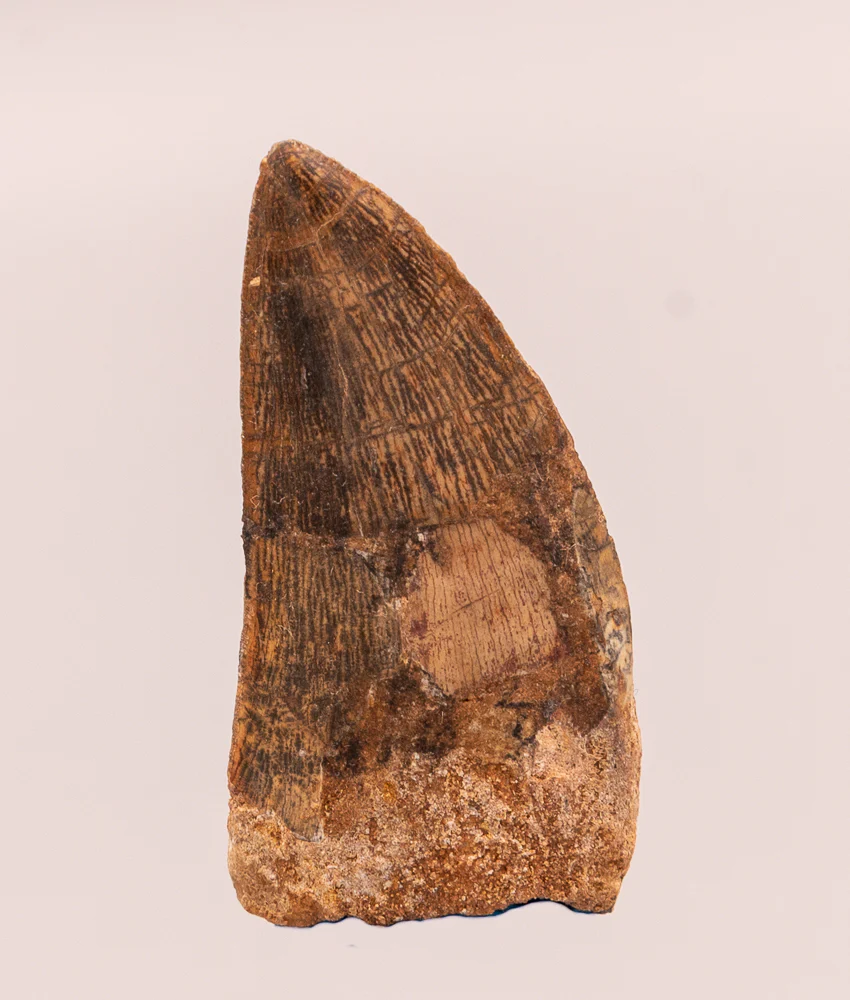
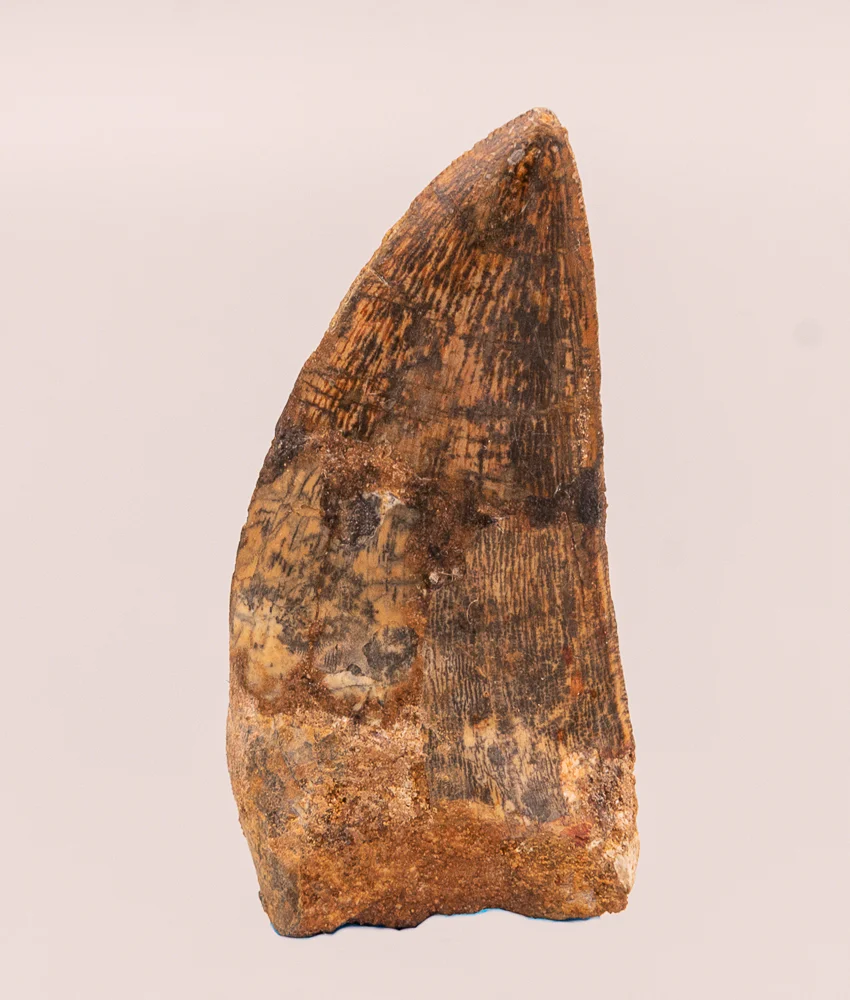
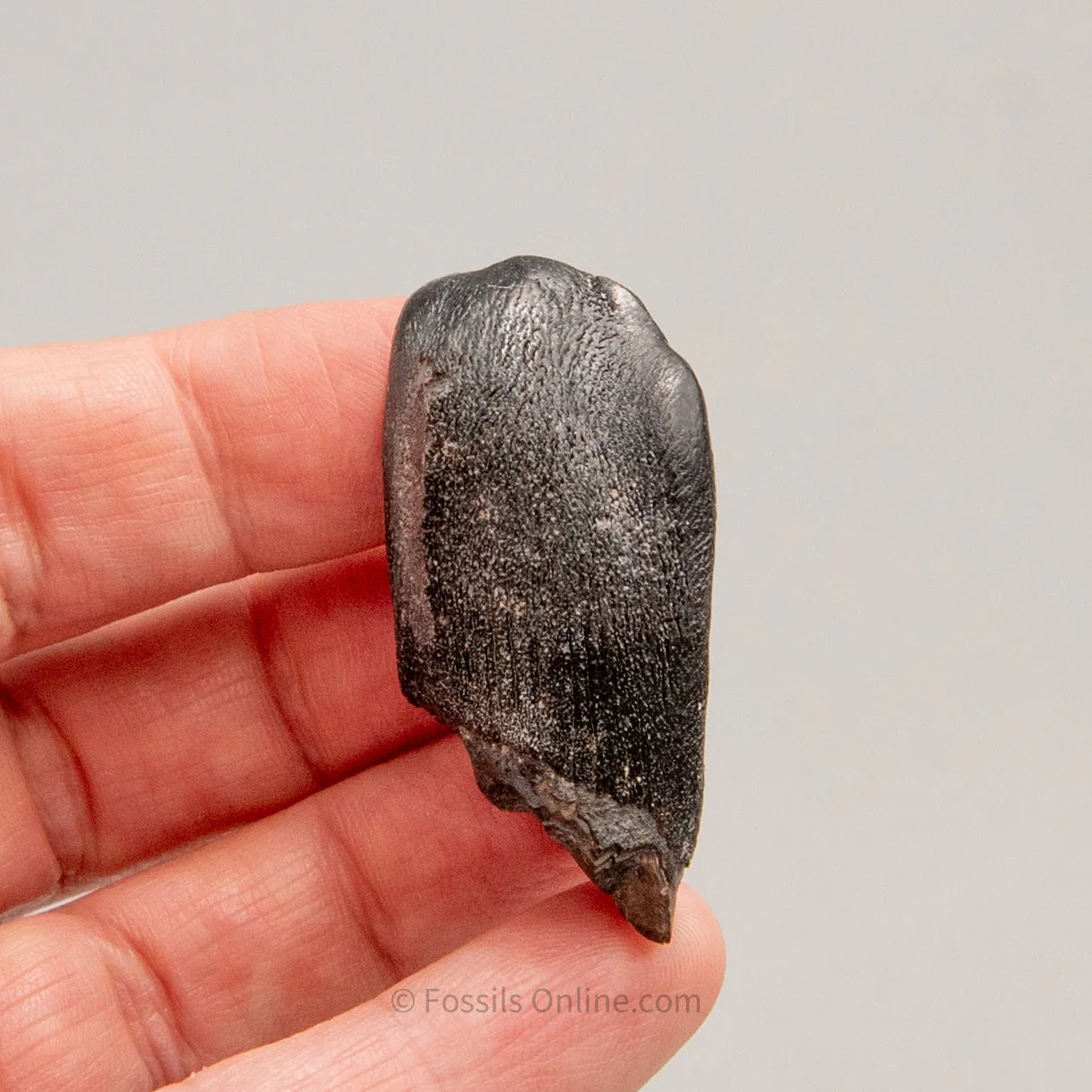
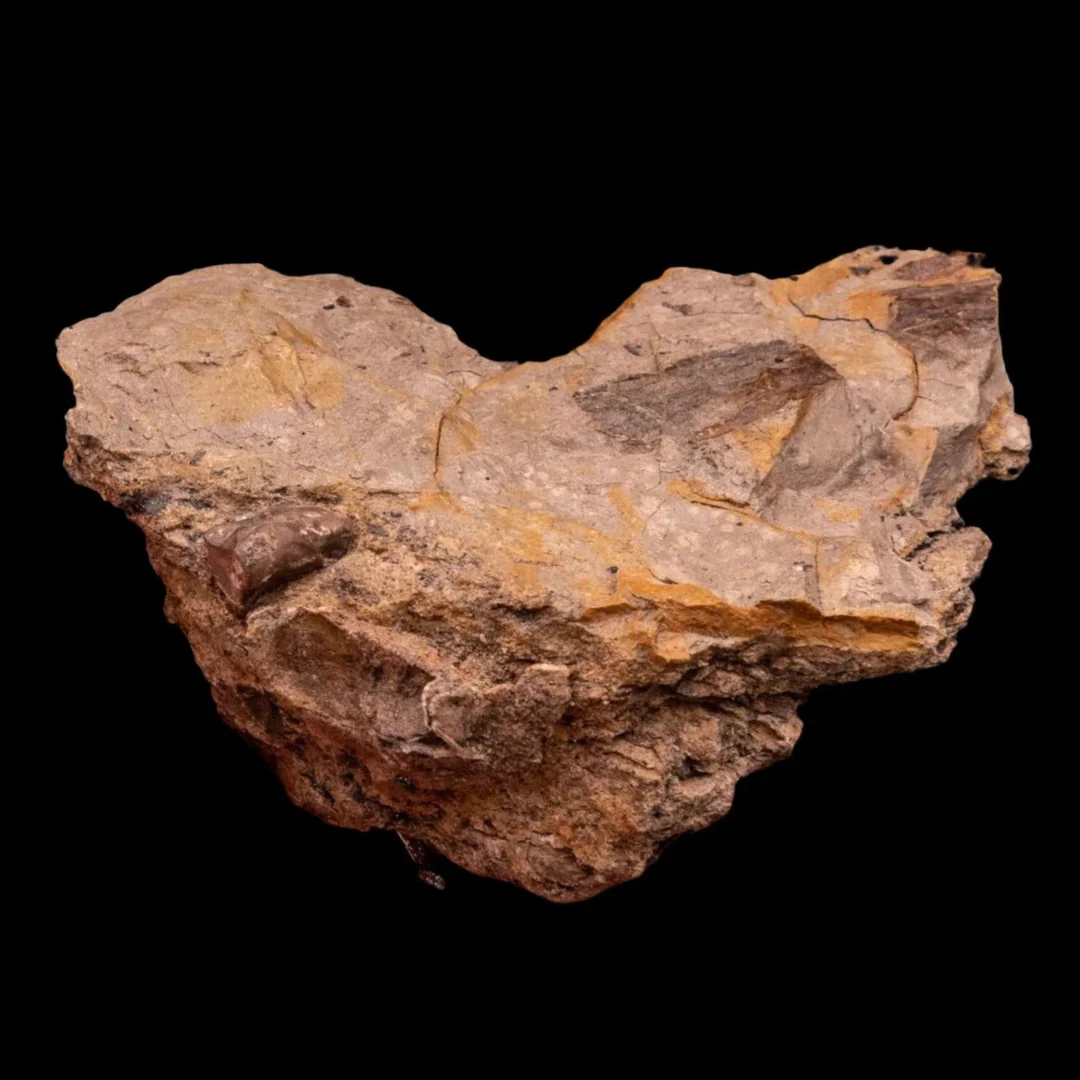
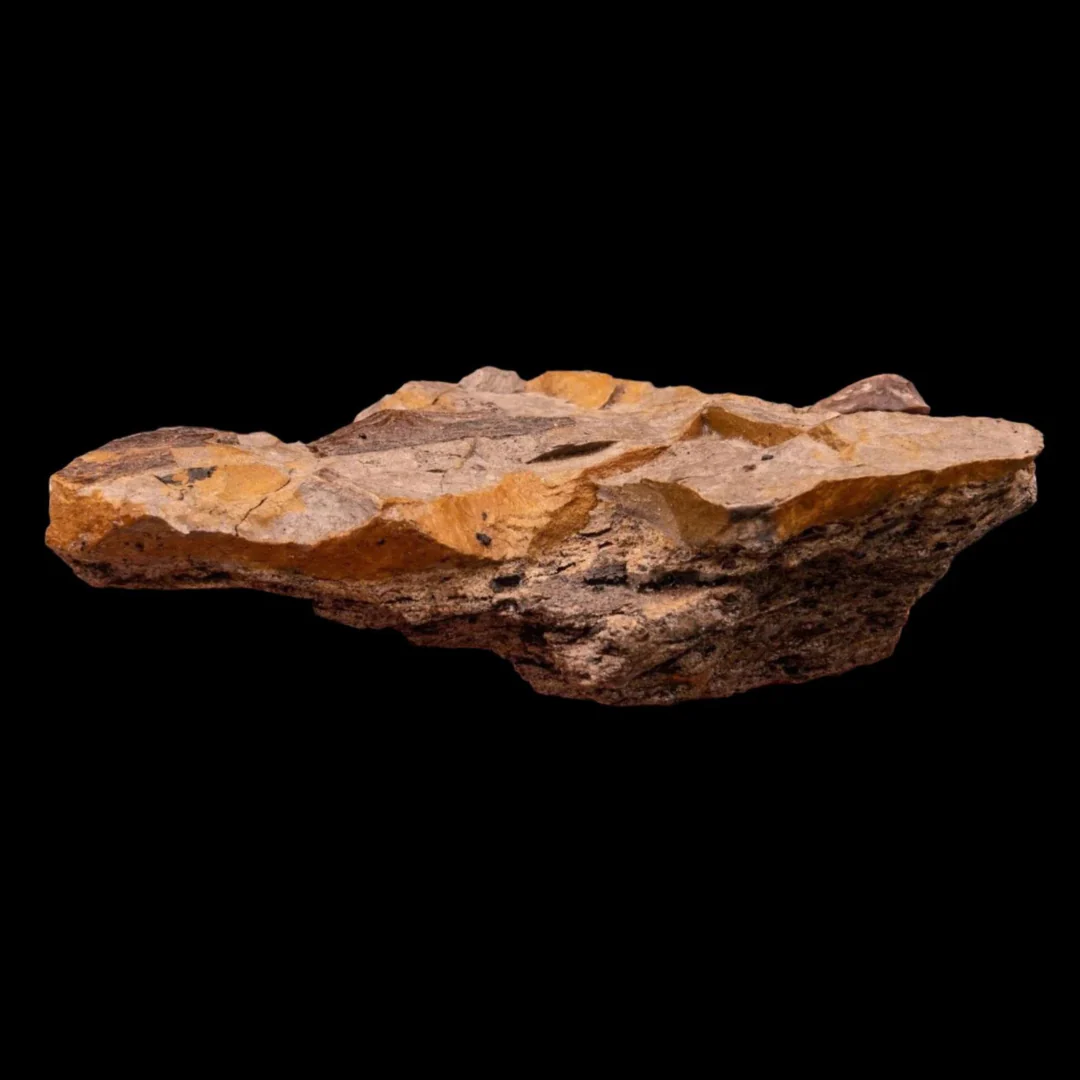
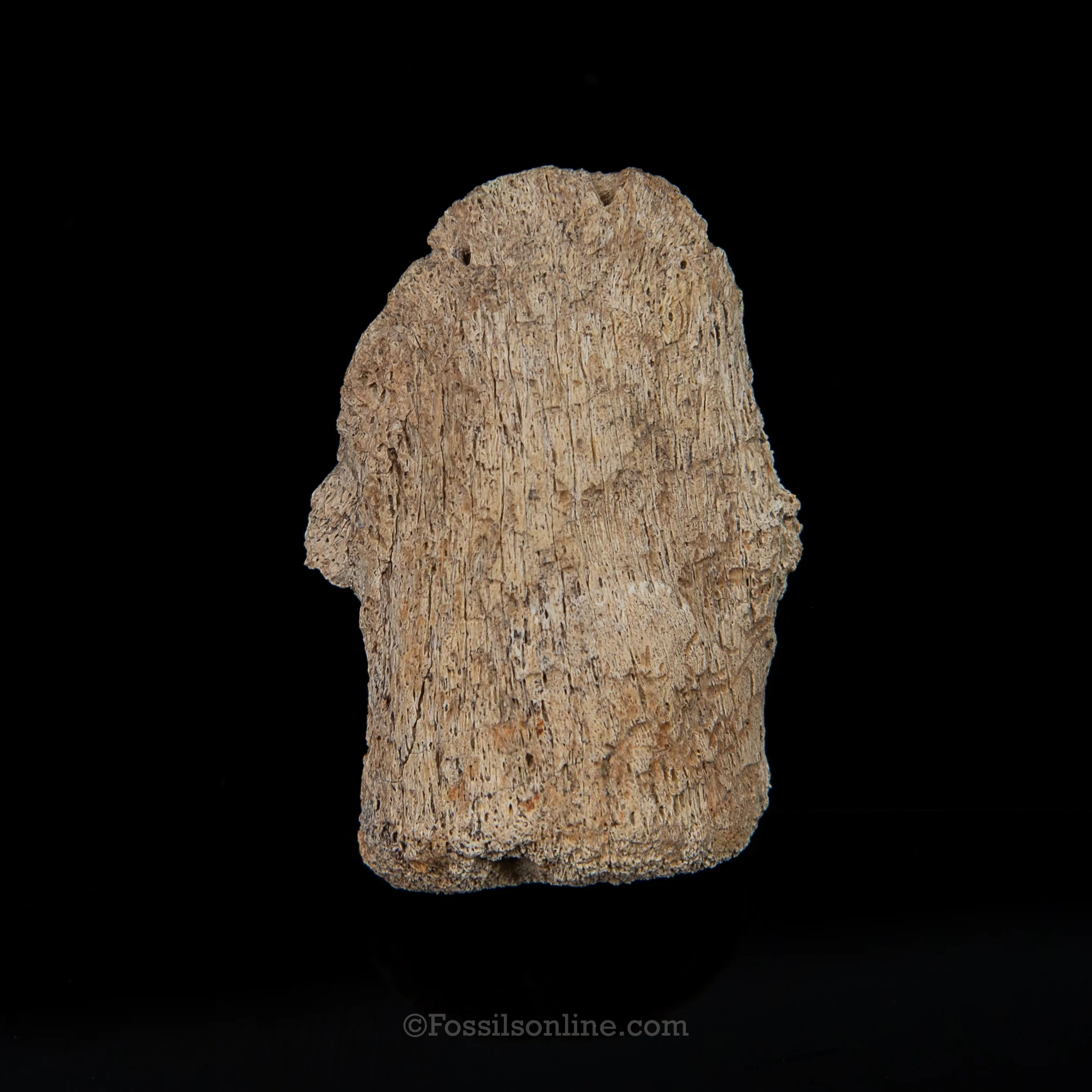
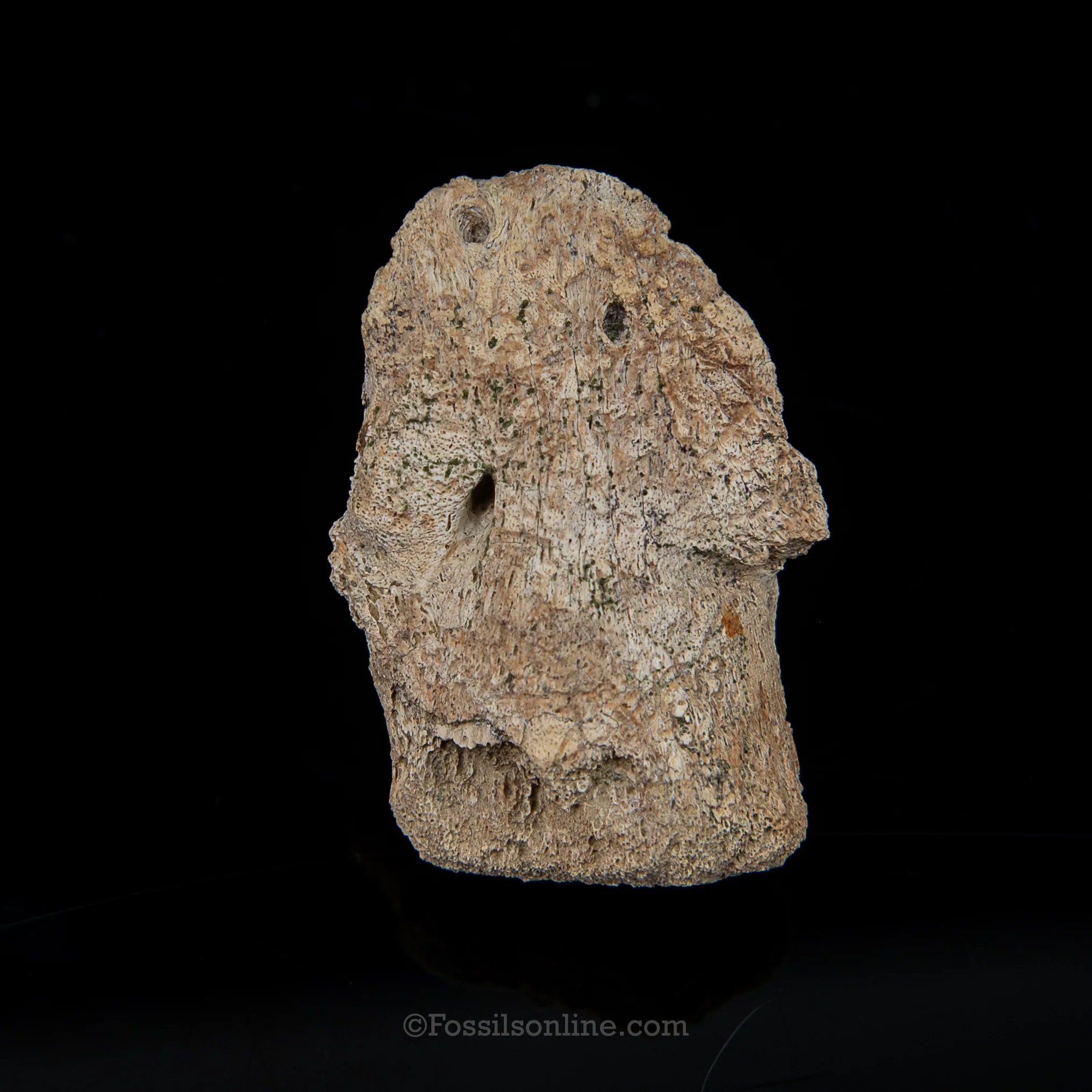
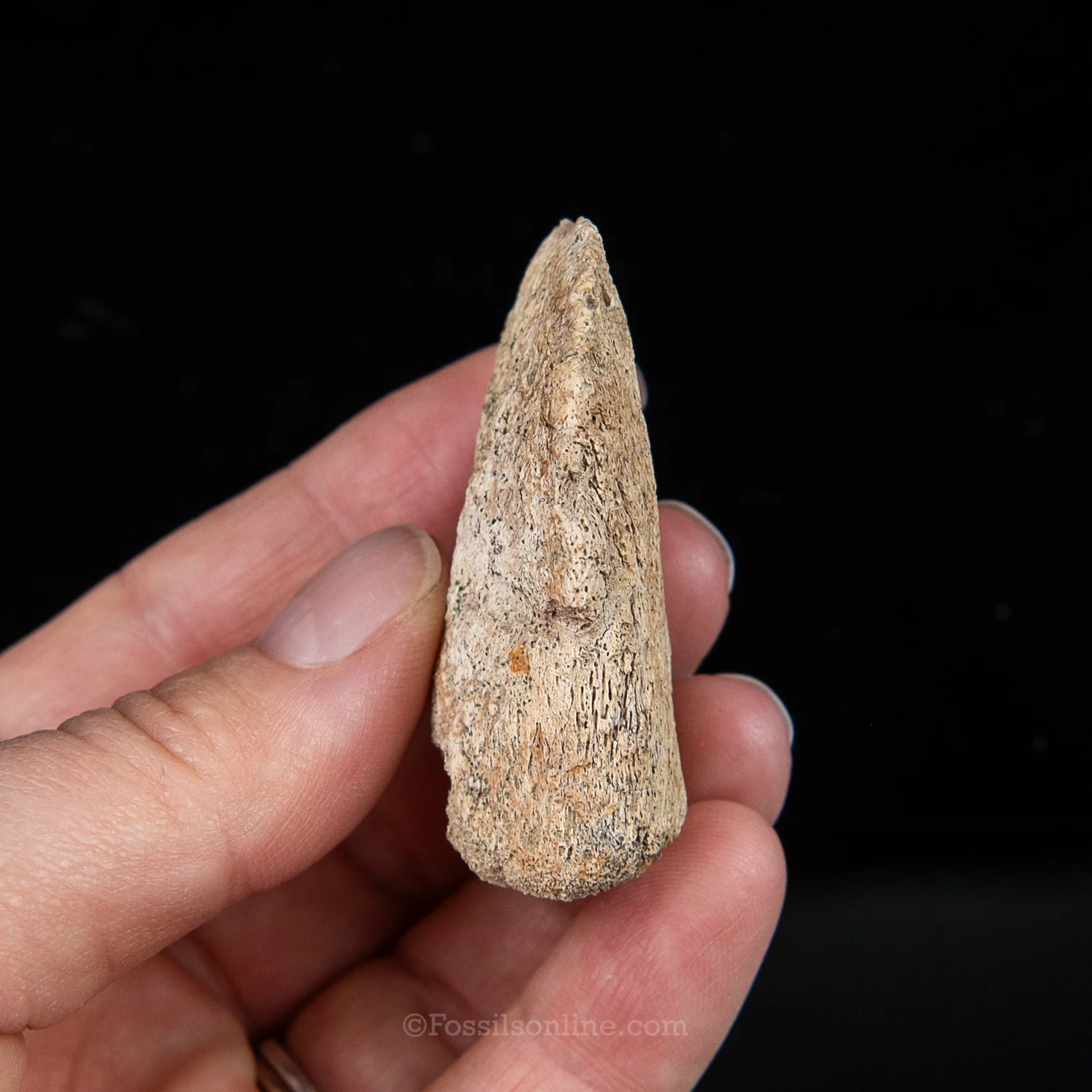
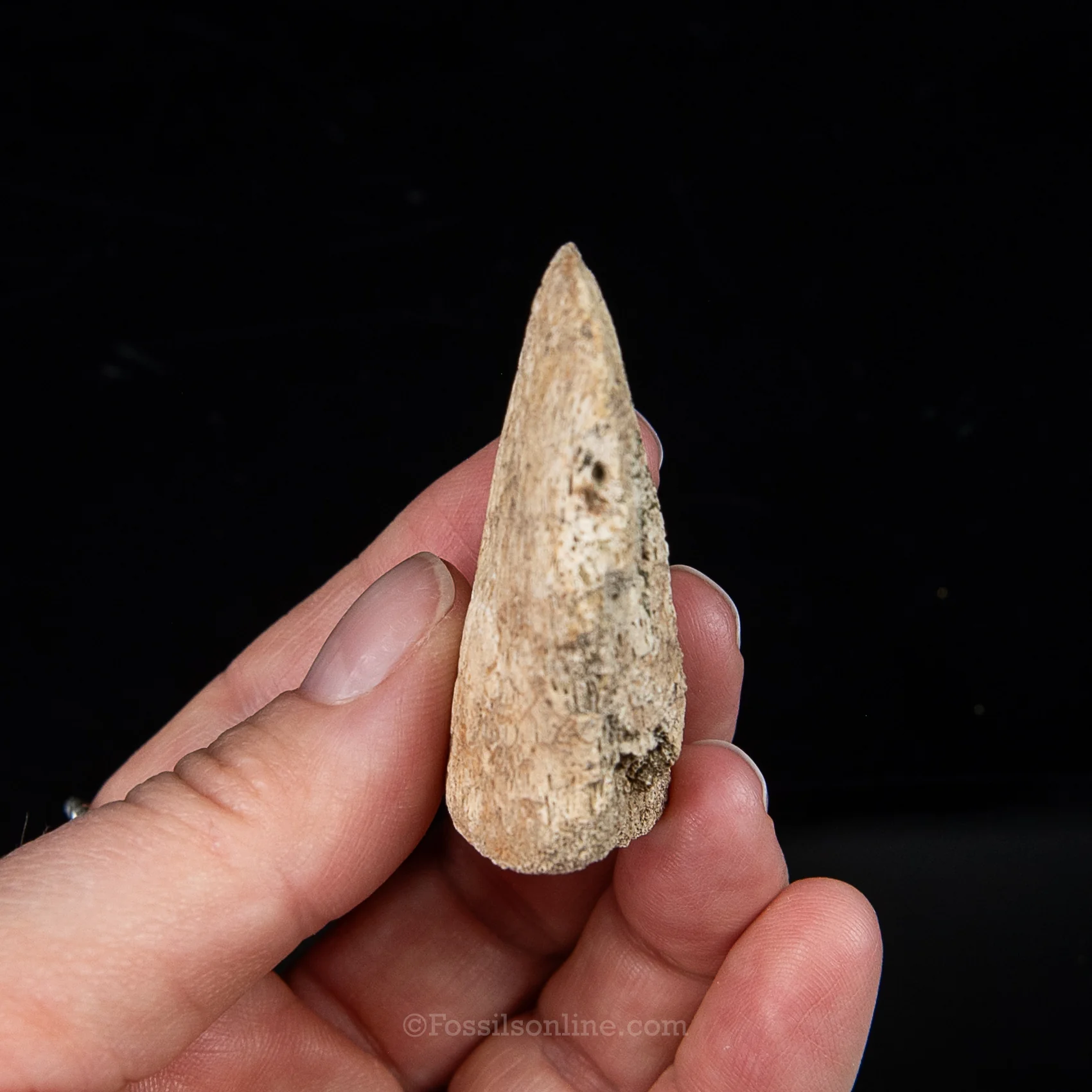
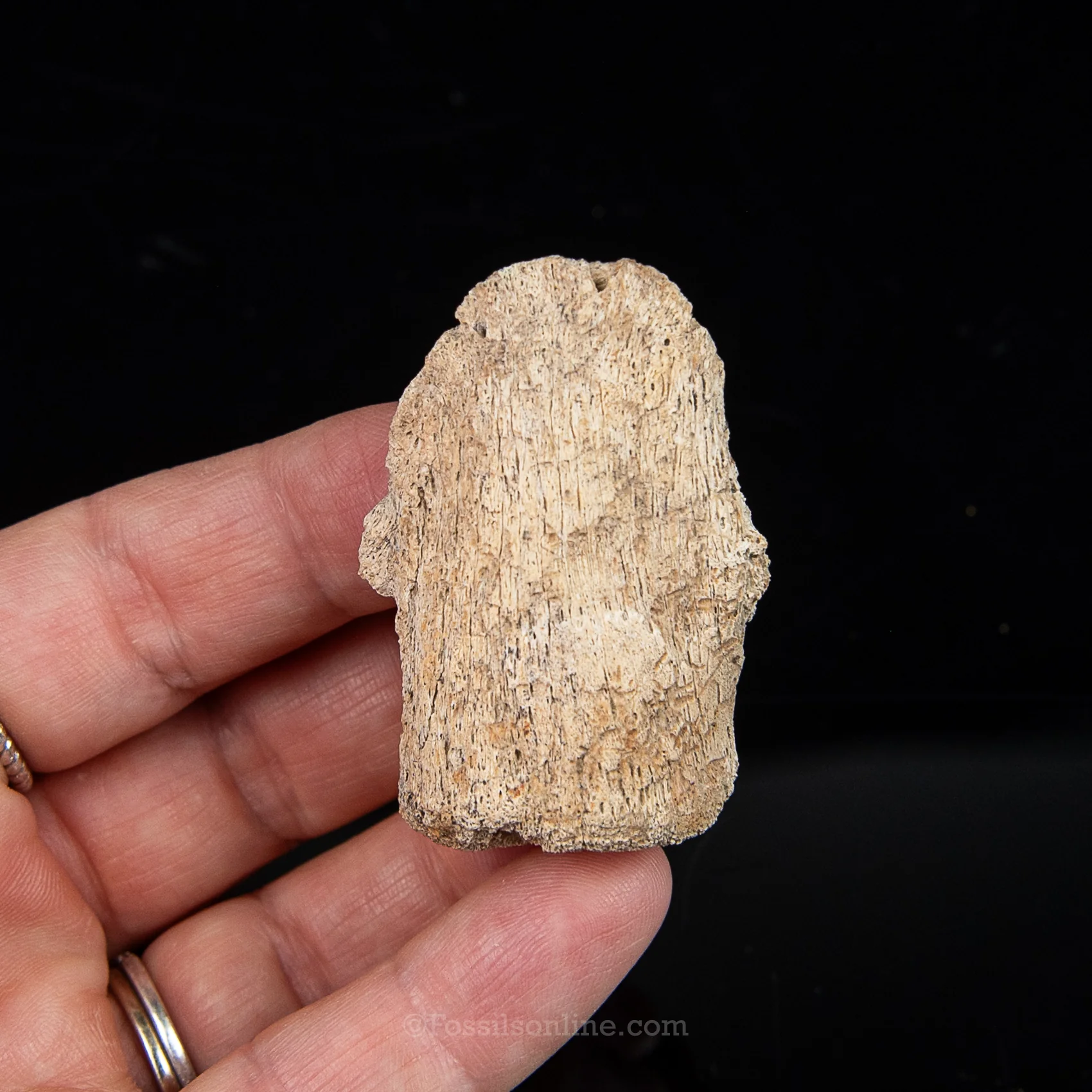
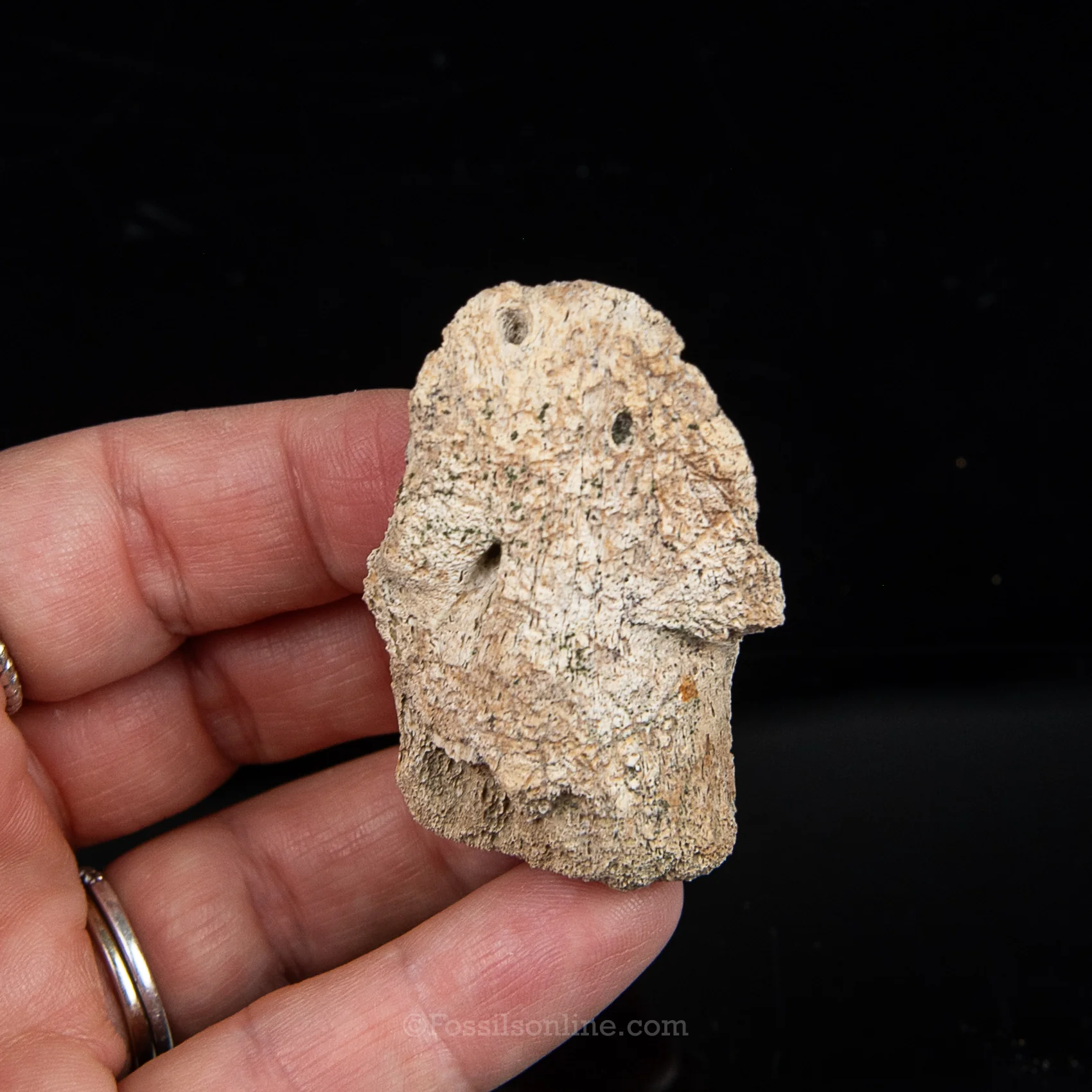
Absolutely no repair or restoration on this highly detailed and perfectly preserved ungual.
The Edmontosaurus, a well-known hadrosaurid (duck-billed) dinosaur, thrived during the Late Cretaceous period in what is now Wyoming. This specimen comes from the Lance Formation, which dates to roughly 66–69 million years ago. The Lance is one of North America’s most important fossil beds, preserving an incredible array of dinosaurs, mammals, reptiles, and plants that paint a vivid picture of the ecosystems that existed just before the end-Cretaceous mass extinction.
Physical Characteristics: Edmontosaurus was a large, herbivorous dinosaur, known for its distinctive duck-billed head. It could grow up to about 40 feet in length, making it one of the largest hadrosaurid species. This dinosaur walked both on two legs (bipedally) and on all fours (quadrupedally) and had a broad, flat beak ideal for cropping vegetation. Its body was heavy-set, with a long, horizontal tail and strong, muscular limbs.
Fossils in the Lance Formation:
The Lance Formation of Wyoming, dating to the very end of the Late Cretaceous (about 66–69 million years ago), is one of the most important fossil-bearing units in North America. It preserves a rich diversity of dinosaurs, mammals, reptiles, and plants, offering a snapshot of life just before the mass extinction event. Edmontosaurus remains are among the most common dinosaur fossils in this formation, highlighting their abundance and ecological importance.
In Wyoming, discoveries of Edmontosaurus, including partial skeletons, isolated bones, and occasionally skin impressions, have provided valuable insight into the biology of this duck-billed dinosaur. These fossils suggest that Edmontosaurus lived in large herds and was a dominant herbivore in its environment, shaping the plant communities and serving as a key food source for predators such as Tyrannosaurus rex.
Details & Craftsmanship
Every detail has been carefully considered to bring you the perfect product.
Details & Craftsmanship
Every detail has been carefully considered to bring you the perfect product.
Details & Craftsmanship
Every detail has been carefully considered to bring you the perfect product.
Details & Craftsmanship
Every detail has been carefully considered to bring you the perfect product.
Details & Craftsmanship
Every detail has been carefully considered to bring you the perfect product.
Description
Absolutely no repair or restoration on this highly detailed and perfectly preserved ungual.
The Edmontosaurus, a well-known hadrosaurid (duck-billed) dinosaur, thrived during the Late Cretaceous period in what is now Wyoming. This specimen comes from the Lance Formation, which dates to roughly 66–69 million years ago. The Lance is one of North America’s most important fossil beds, preserving an incredible array of dinosaurs, mammals, reptiles, and plants that paint a vivid picture of the ecosystems that existed just before the end-Cretaceous mass extinction.
Physical Characteristics: Edmontosaurus was a large, herbivorous dinosaur, known for its distinctive duck-billed head. It could grow up to about 40 feet in length, making it one of the largest hadrosaurid species. This dinosaur walked both on two legs (bipedally) and on all fours (quadrupedally) and had a broad, flat beak ideal for cropping vegetation. Its body was heavy-set, with a long, horizontal tail and strong, muscular limbs.
Fossils in the Lance Formation:
The Lance Formation of Wyoming, dating to the very end of the Late Cretaceous (about 66–69 million years ago), is one of the most important fossil-bearing units in North America. It preserves a rich diversity of dinosaurs, mammals, reptiles, and plants, offering a snapshot of life just before the mass extinction event. Edmontosaurus remains are among the most common dinosaur fossils in this formation, highlighting their abundance and ecological importance.
In Wyoming, discoveries of Edmontosaurus, including partial skeletons, isolated bones, and occasionally skin impressions, have provided valuable insight into the biology of this duck-billed dinosaur. These fossils suggest that Edmontosaurus lived in large herds and was a dominant herbivore in its environment, shaping the plant communities and serving as a key food source for predators such as Tyrannosaurus rex.