Original: $788.00
-70%$788.00
$236.40The Story
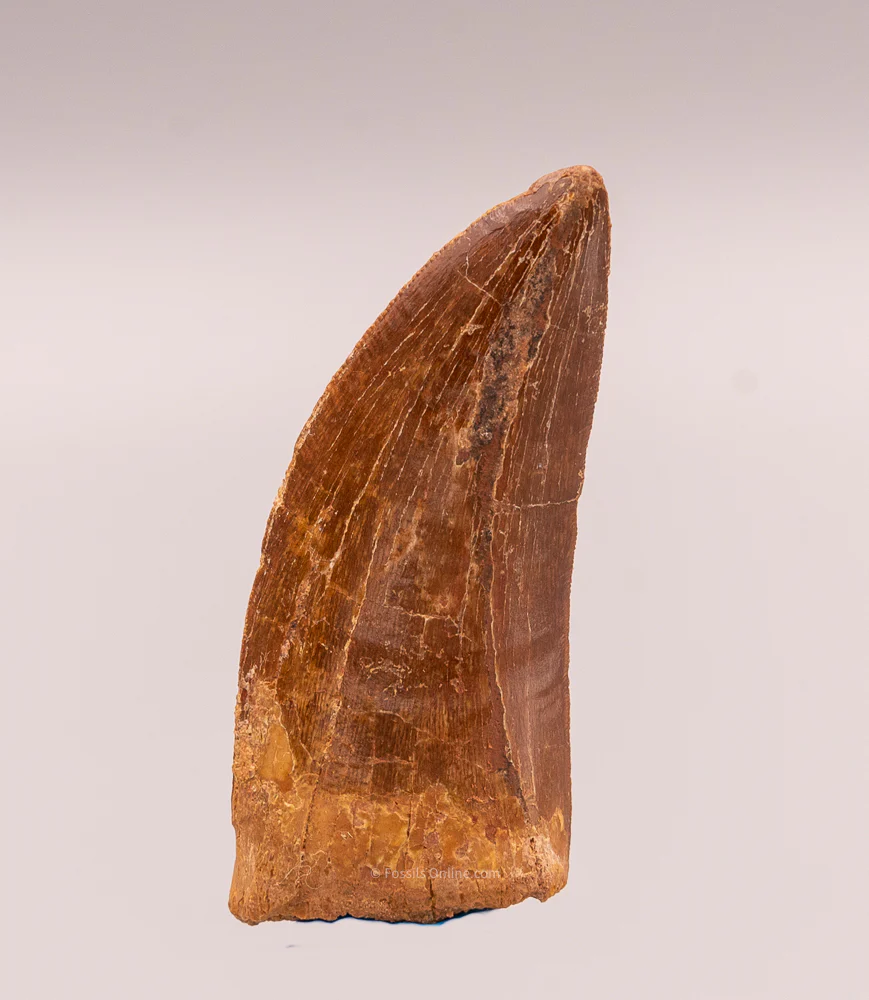
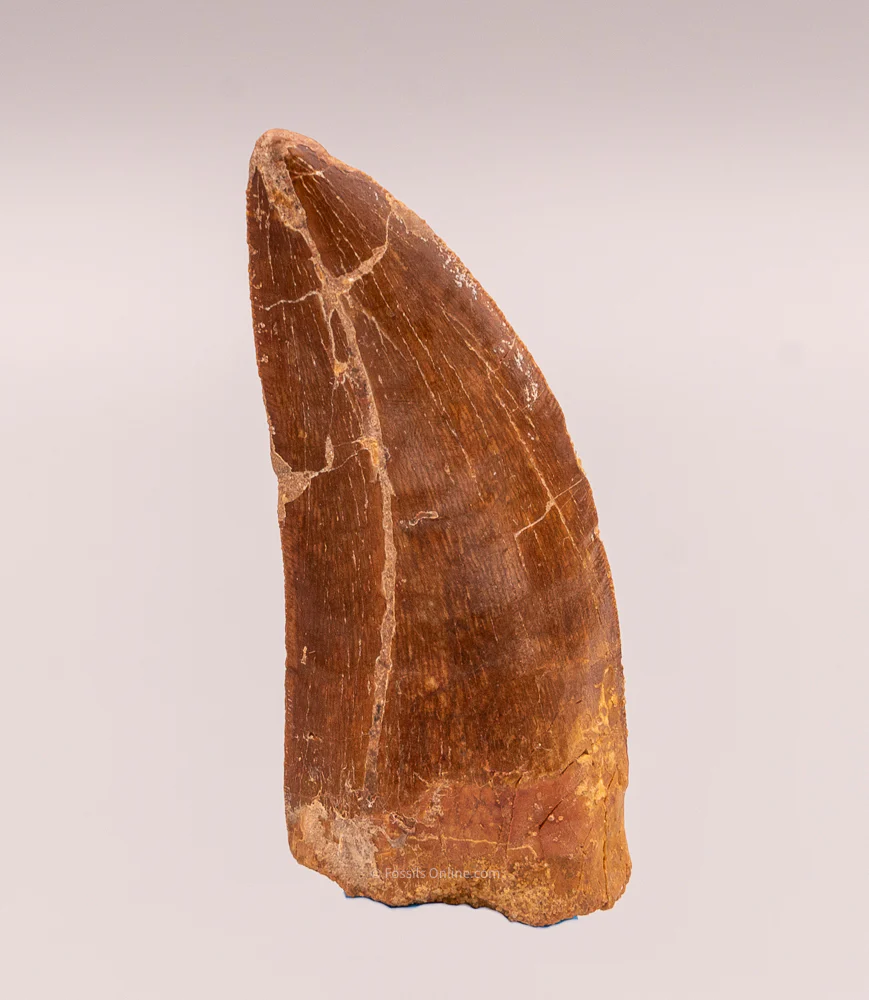
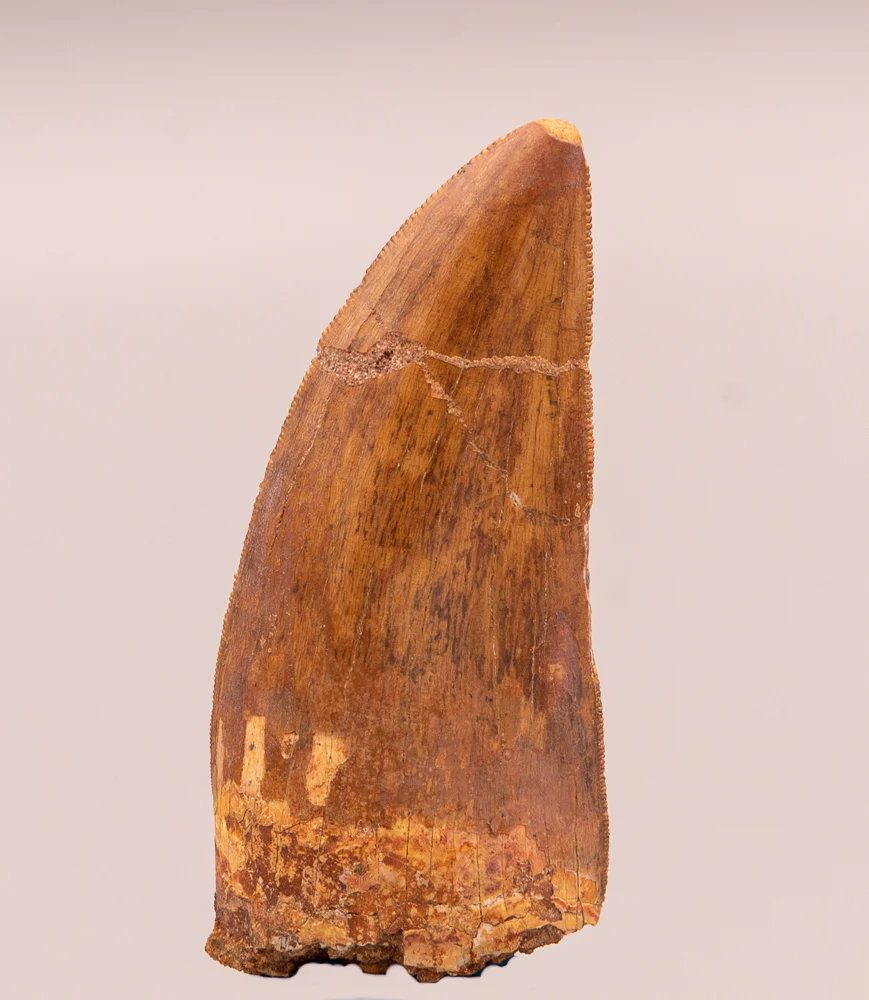
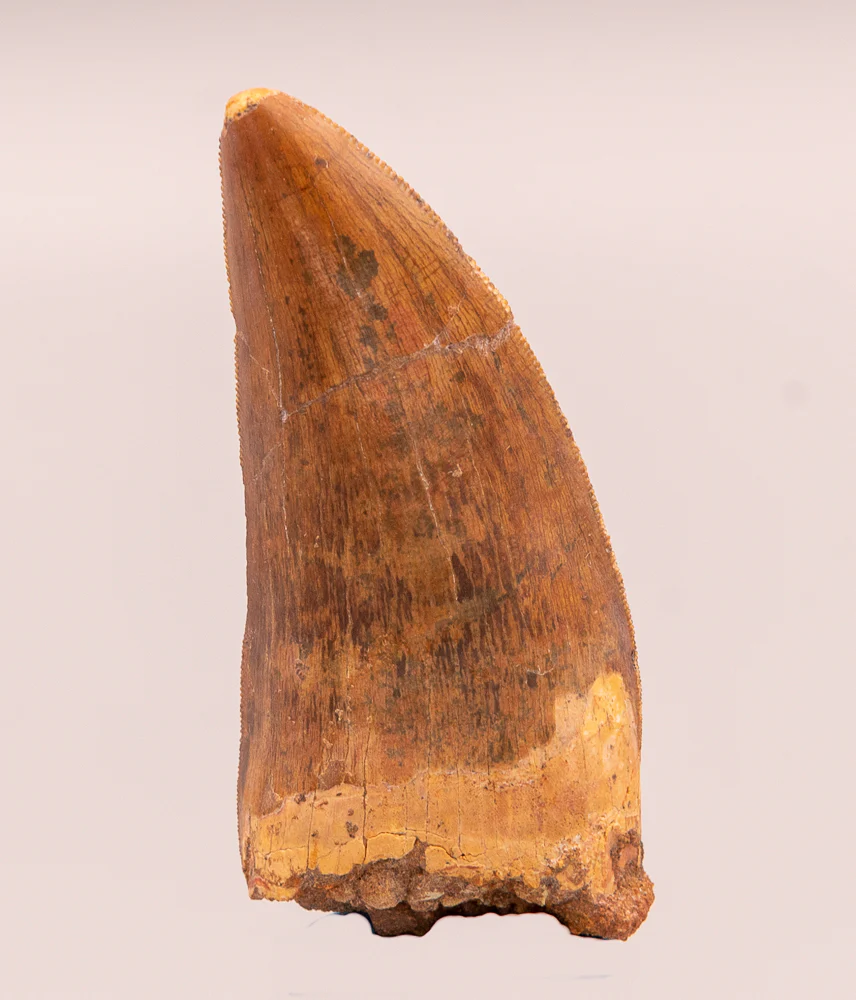
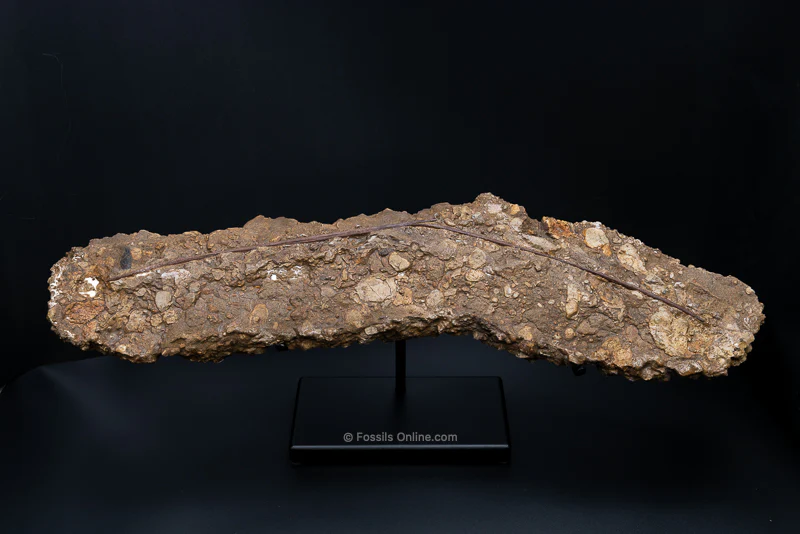
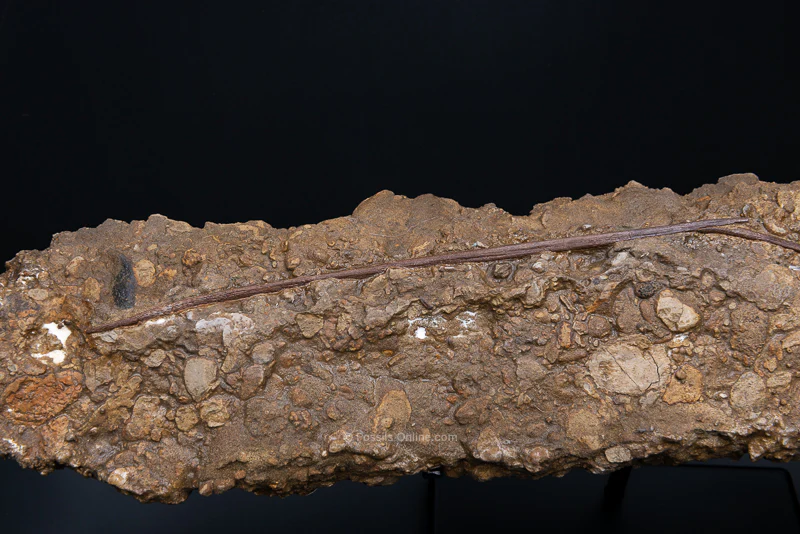
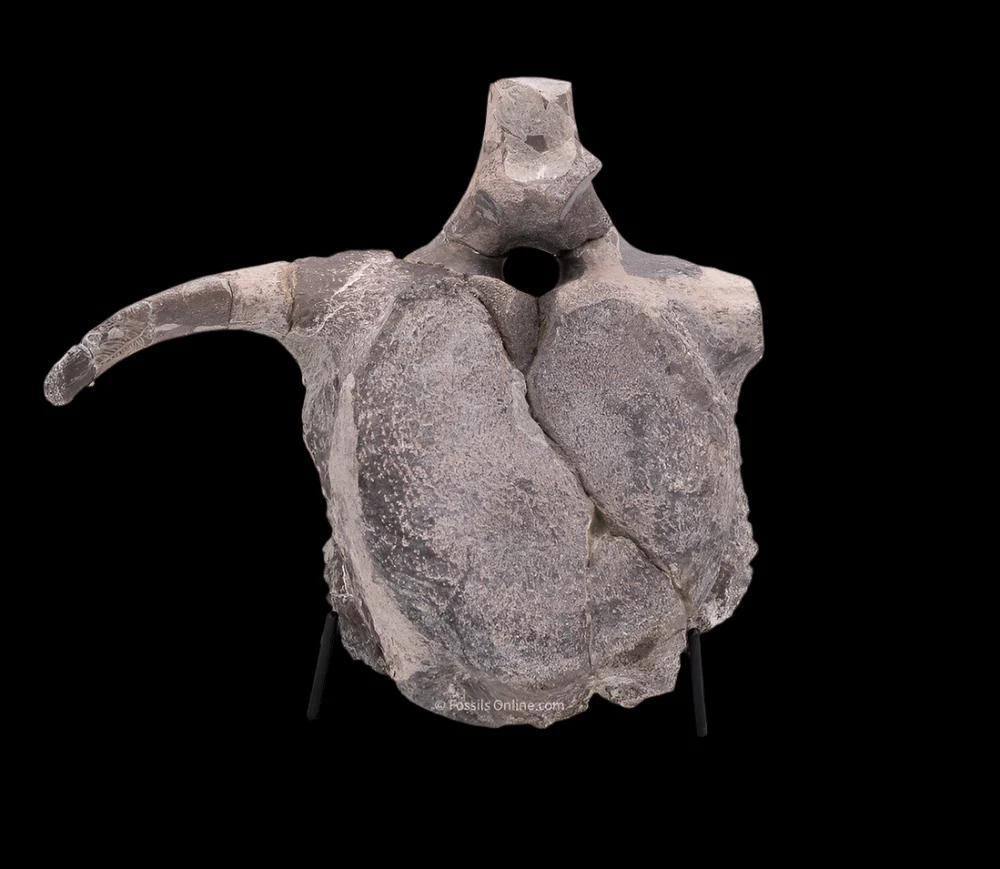
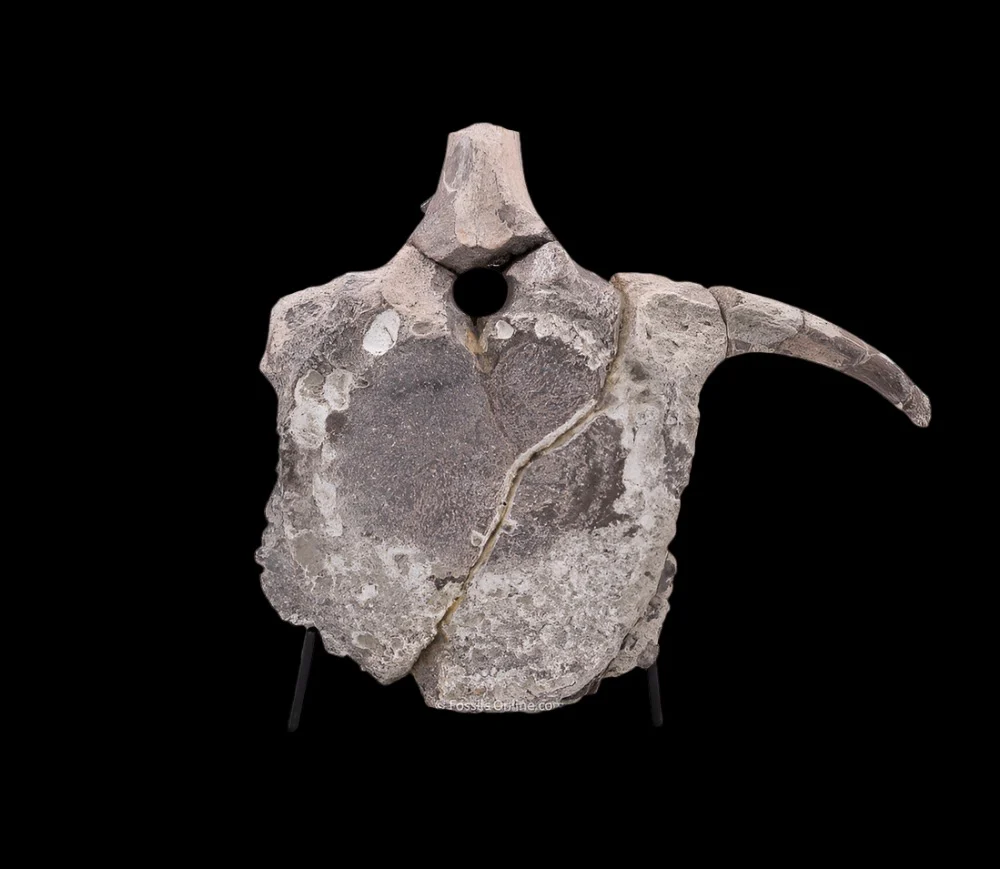
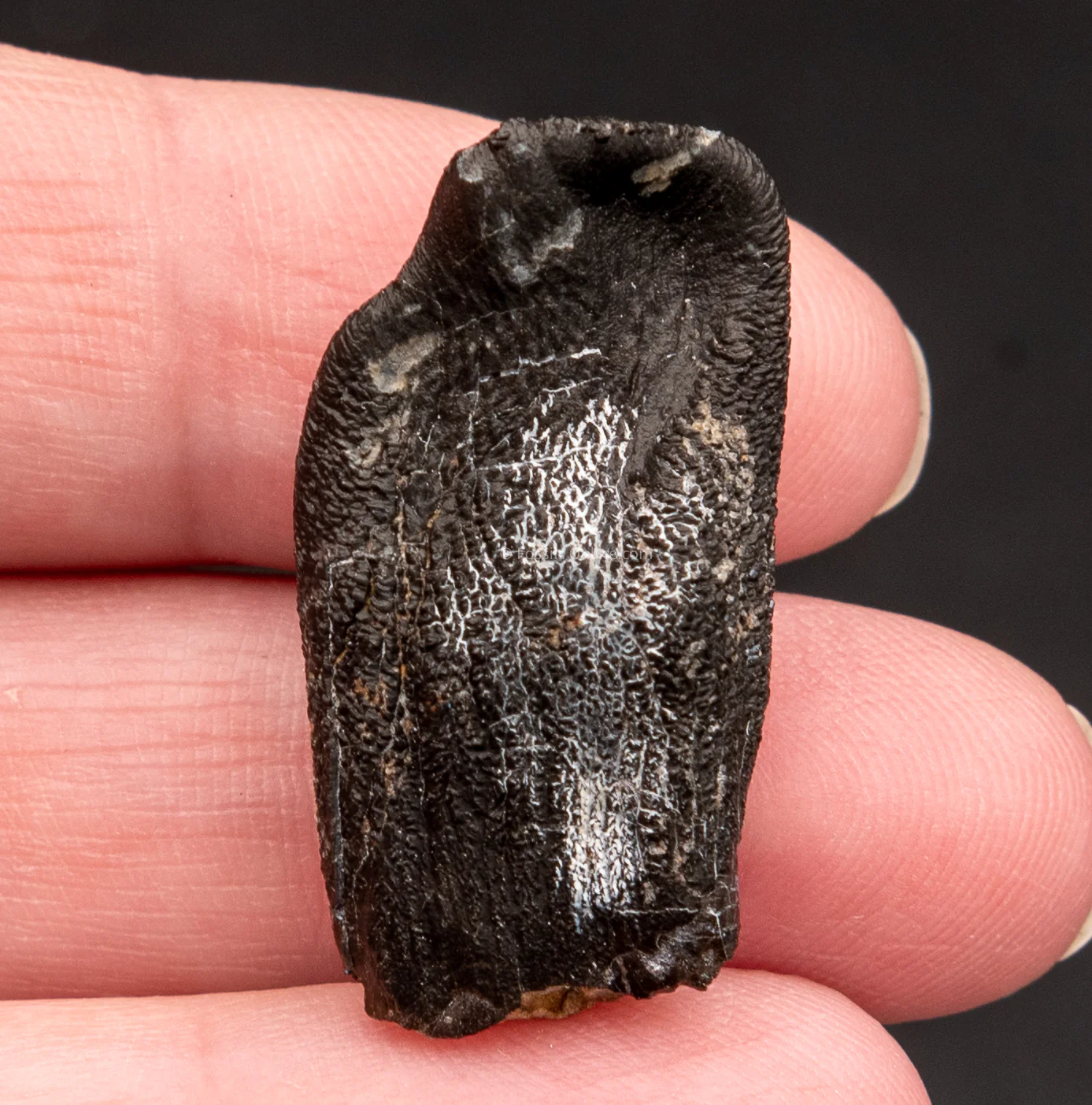
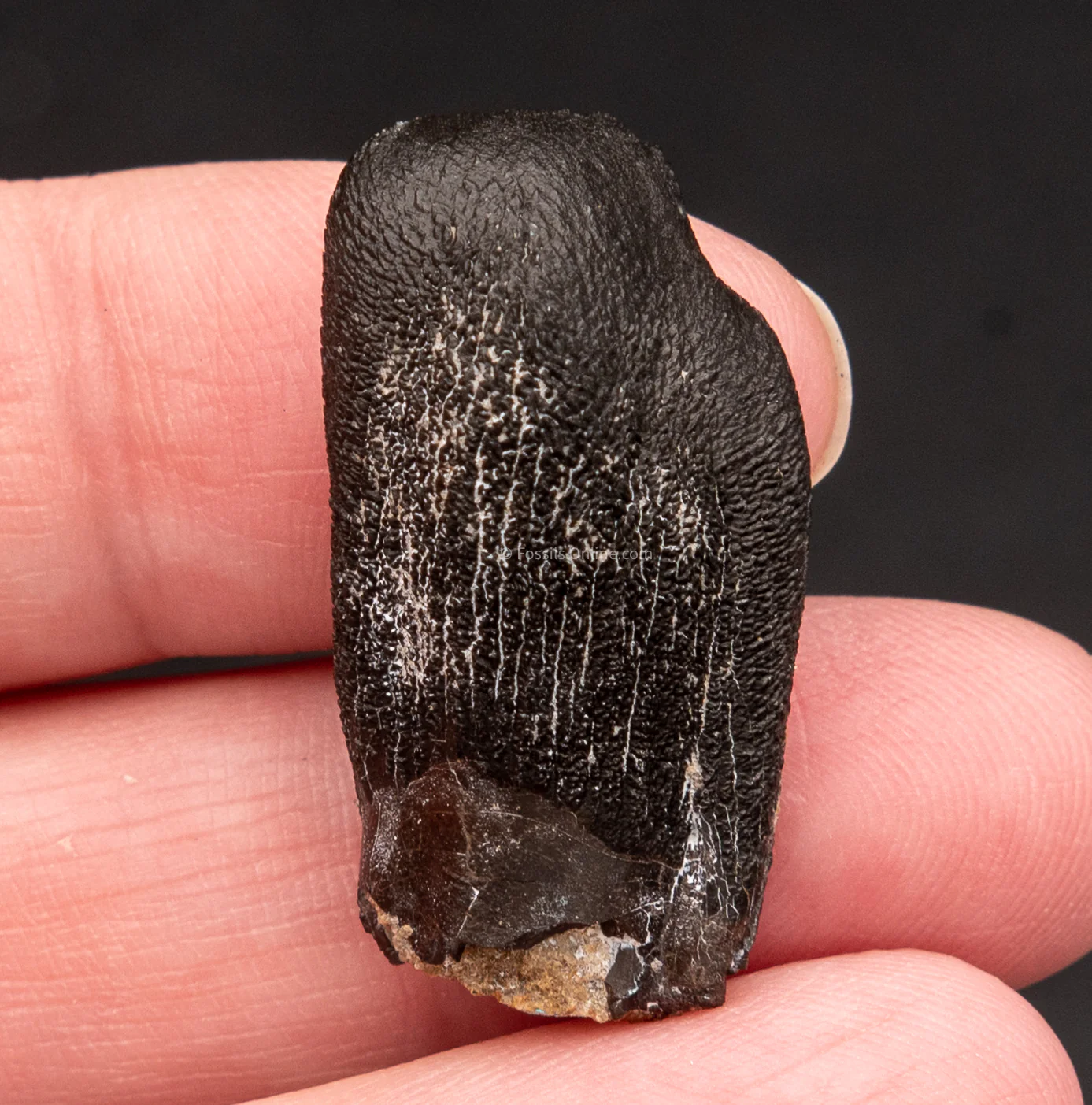
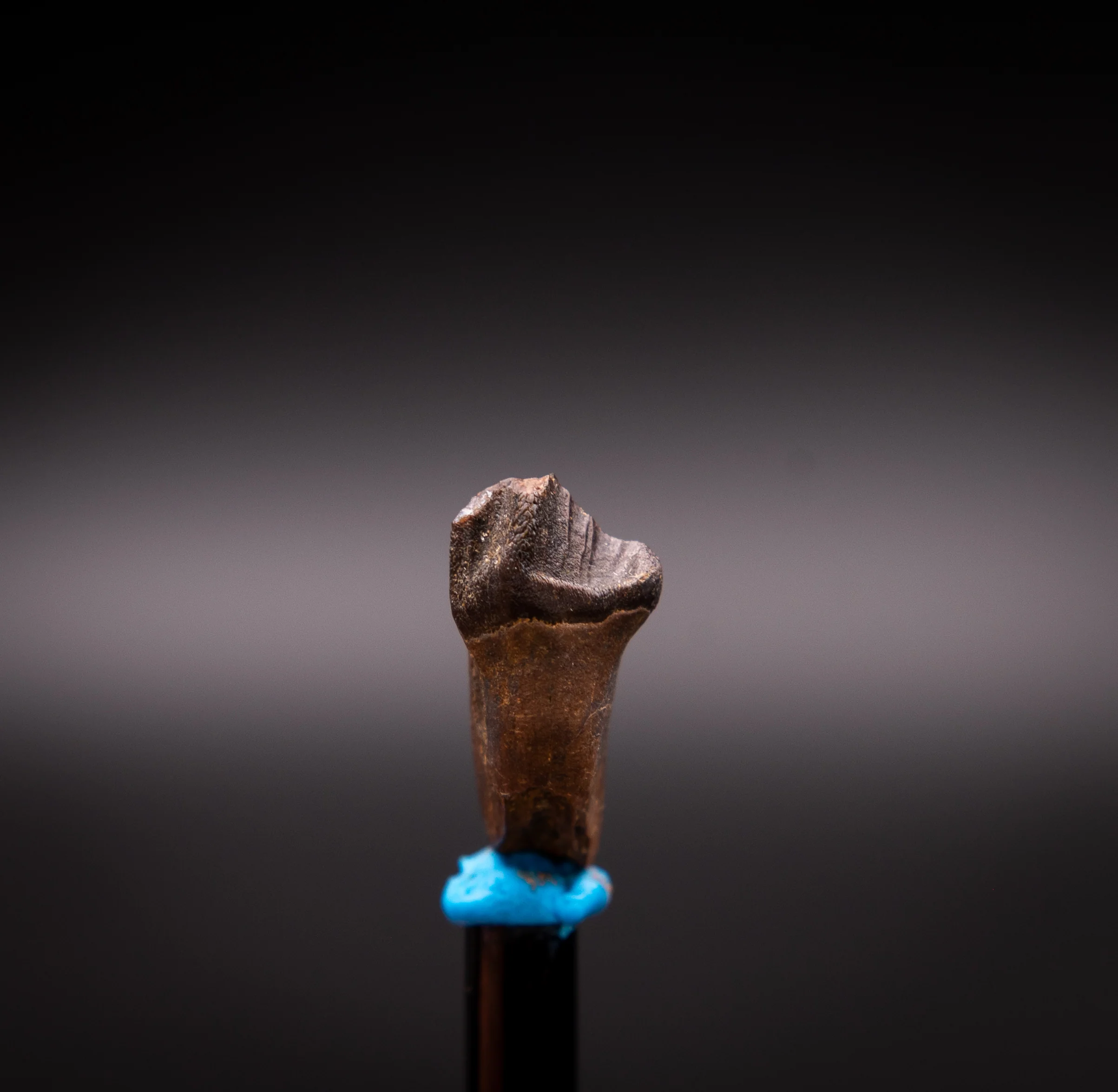
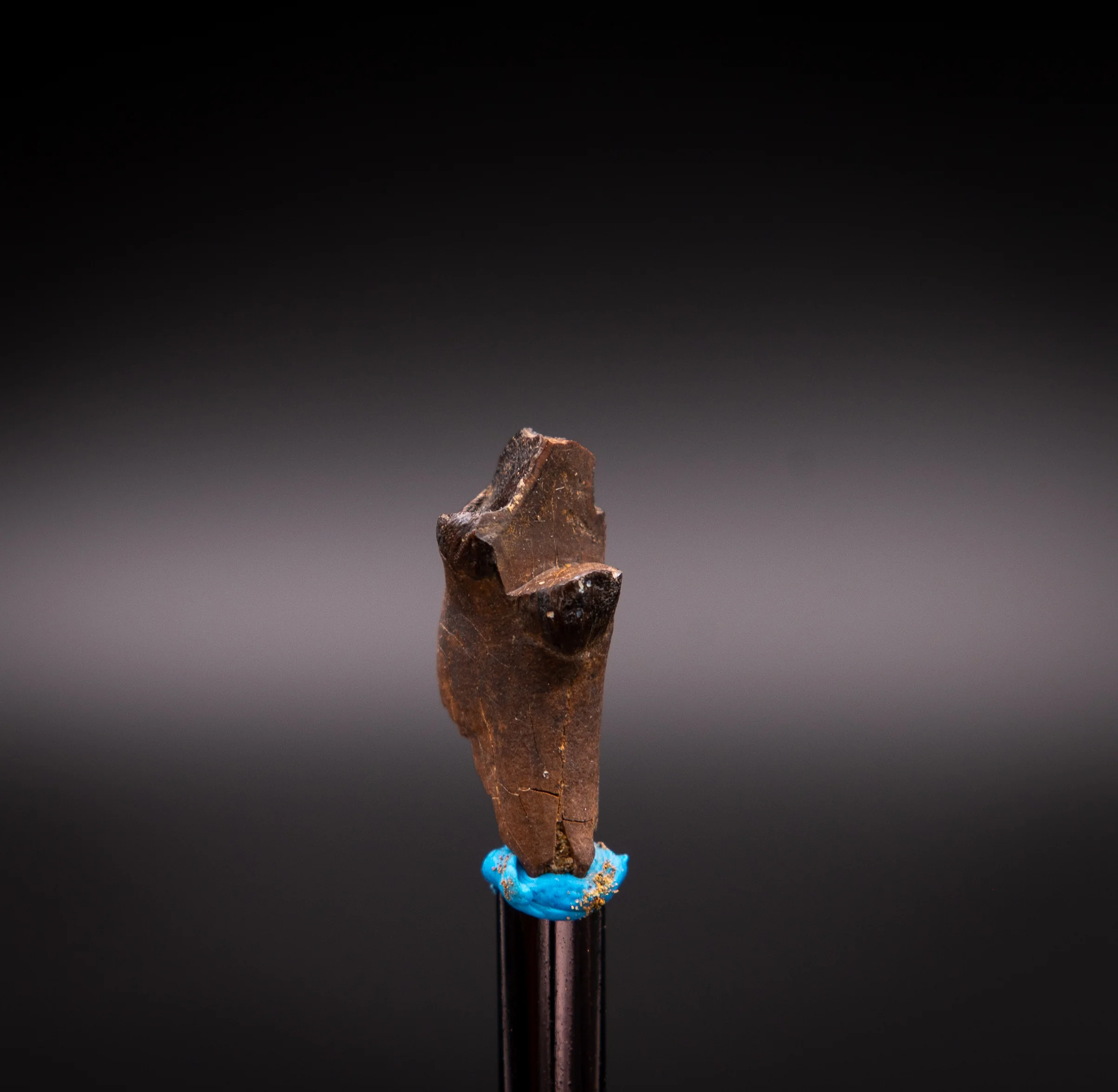
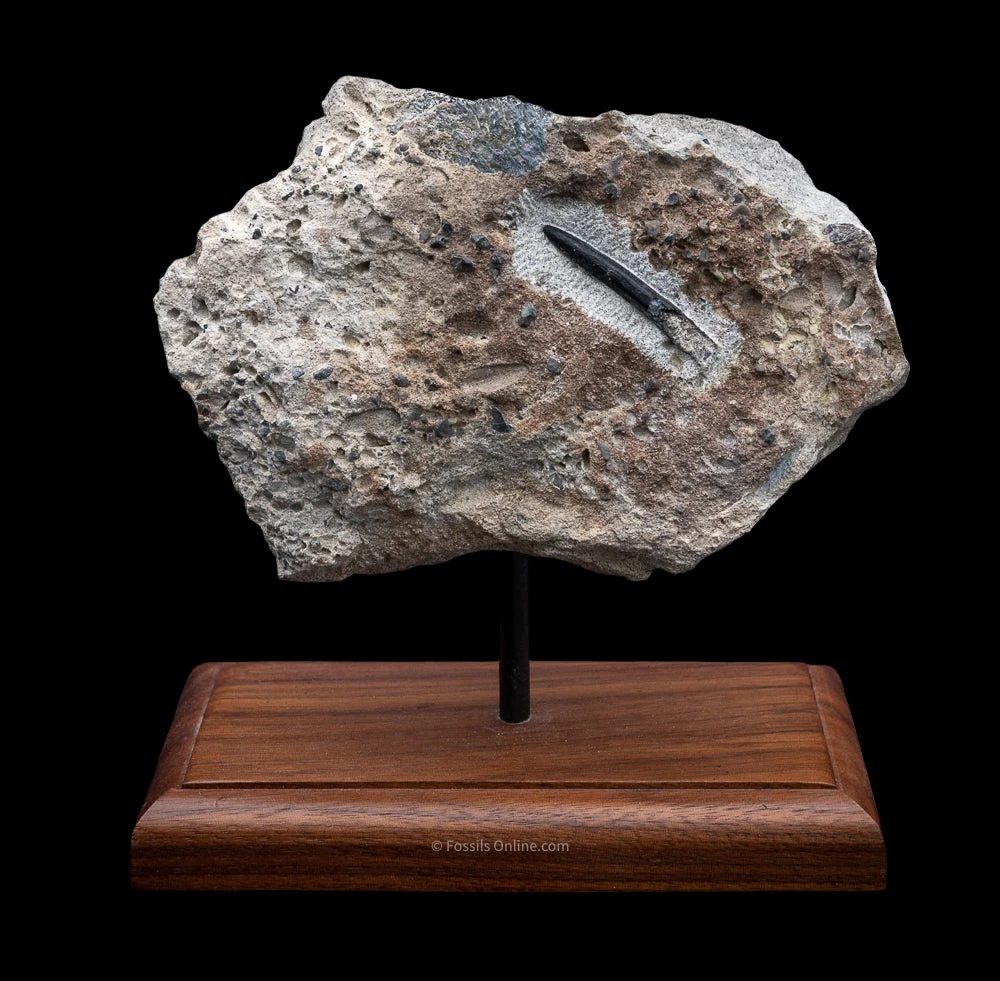
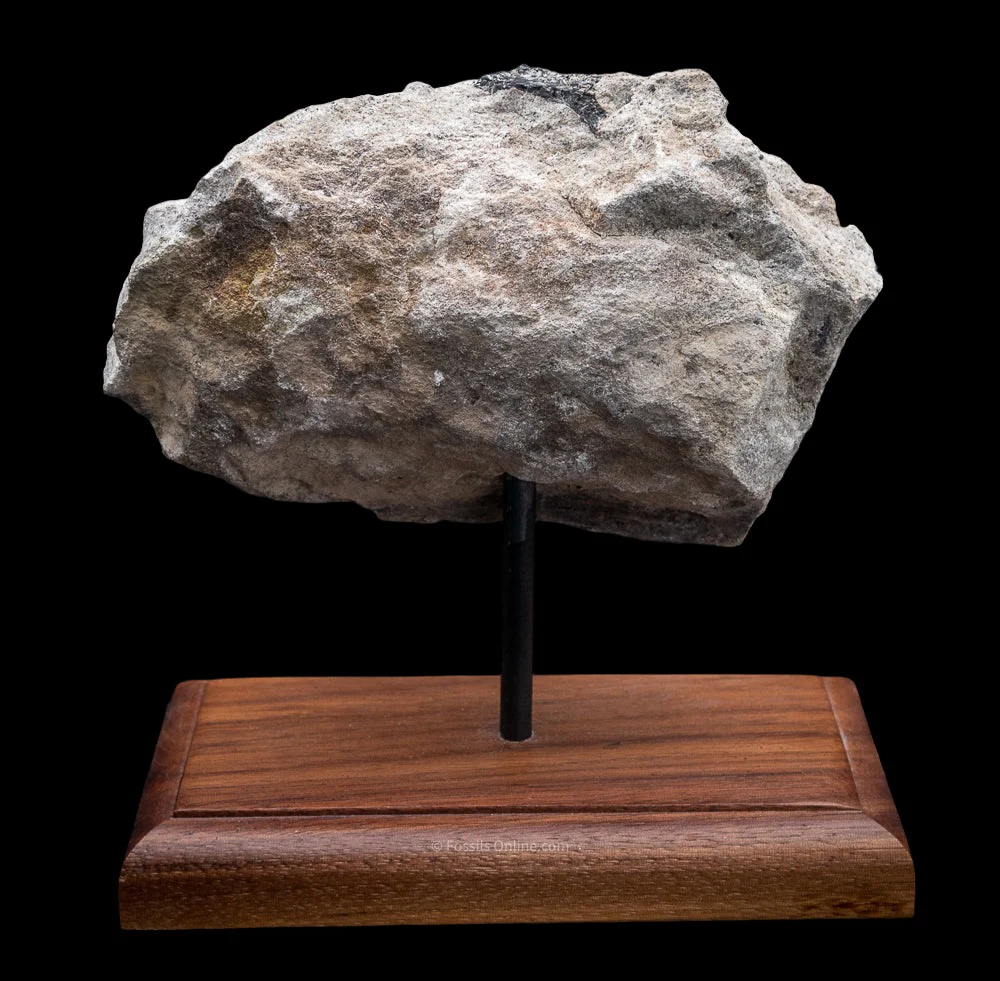
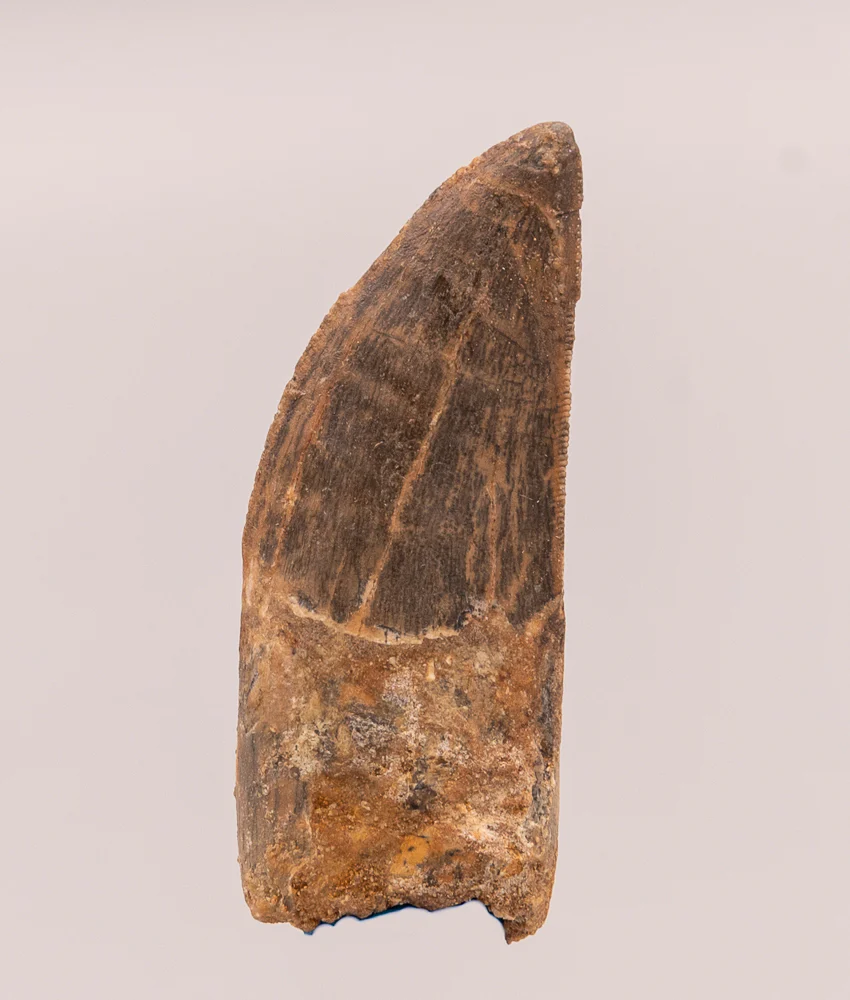
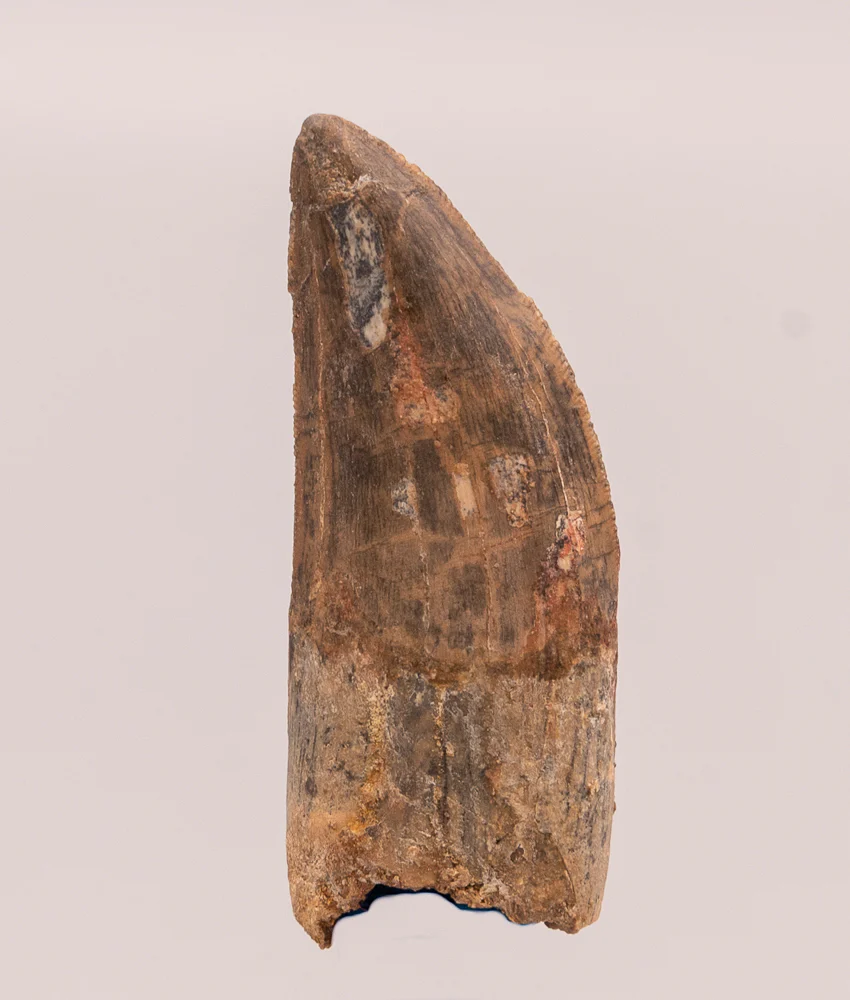
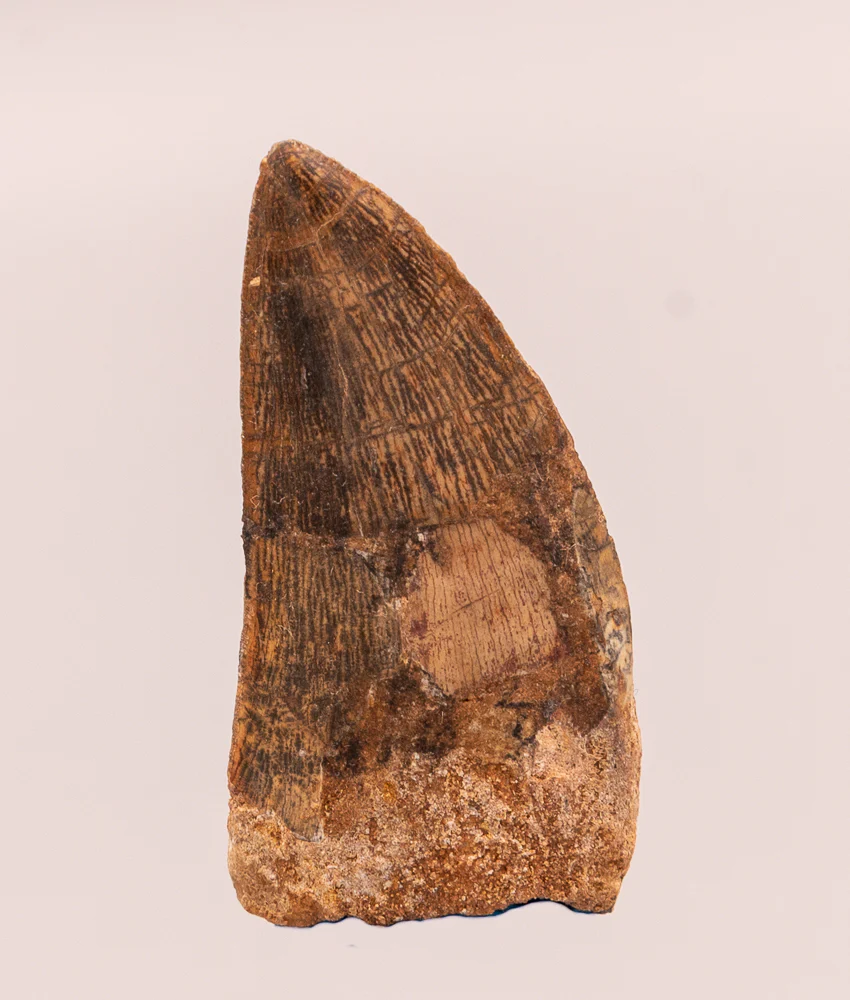
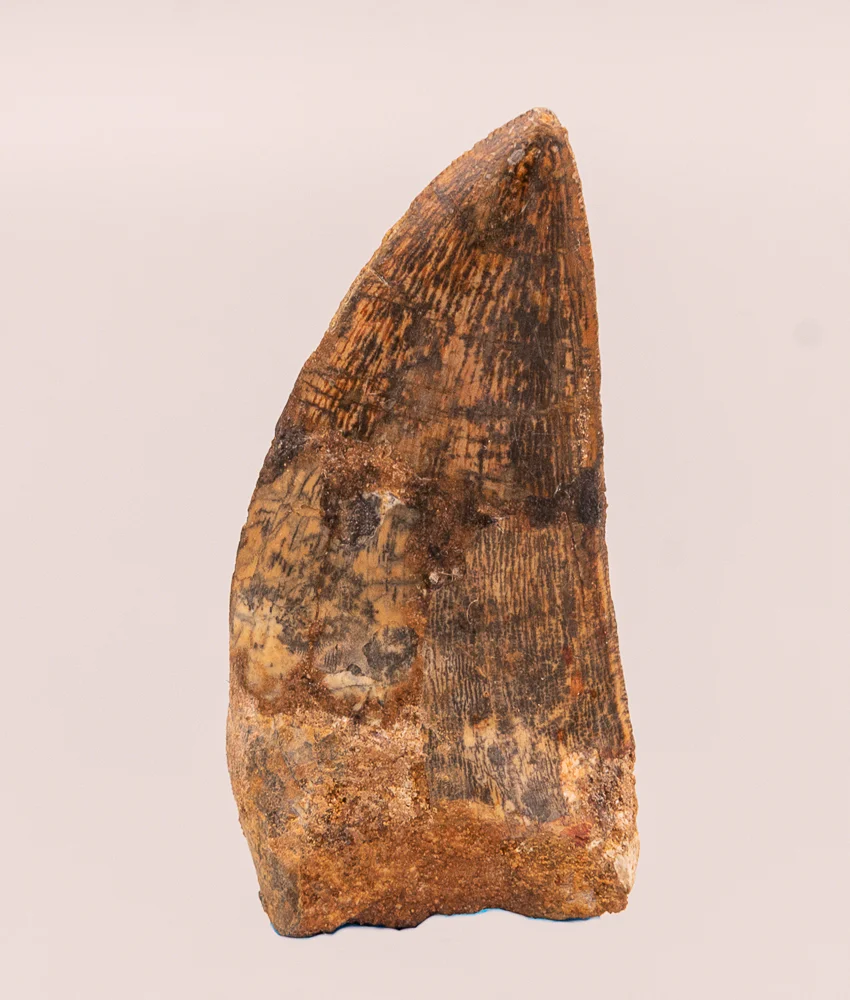
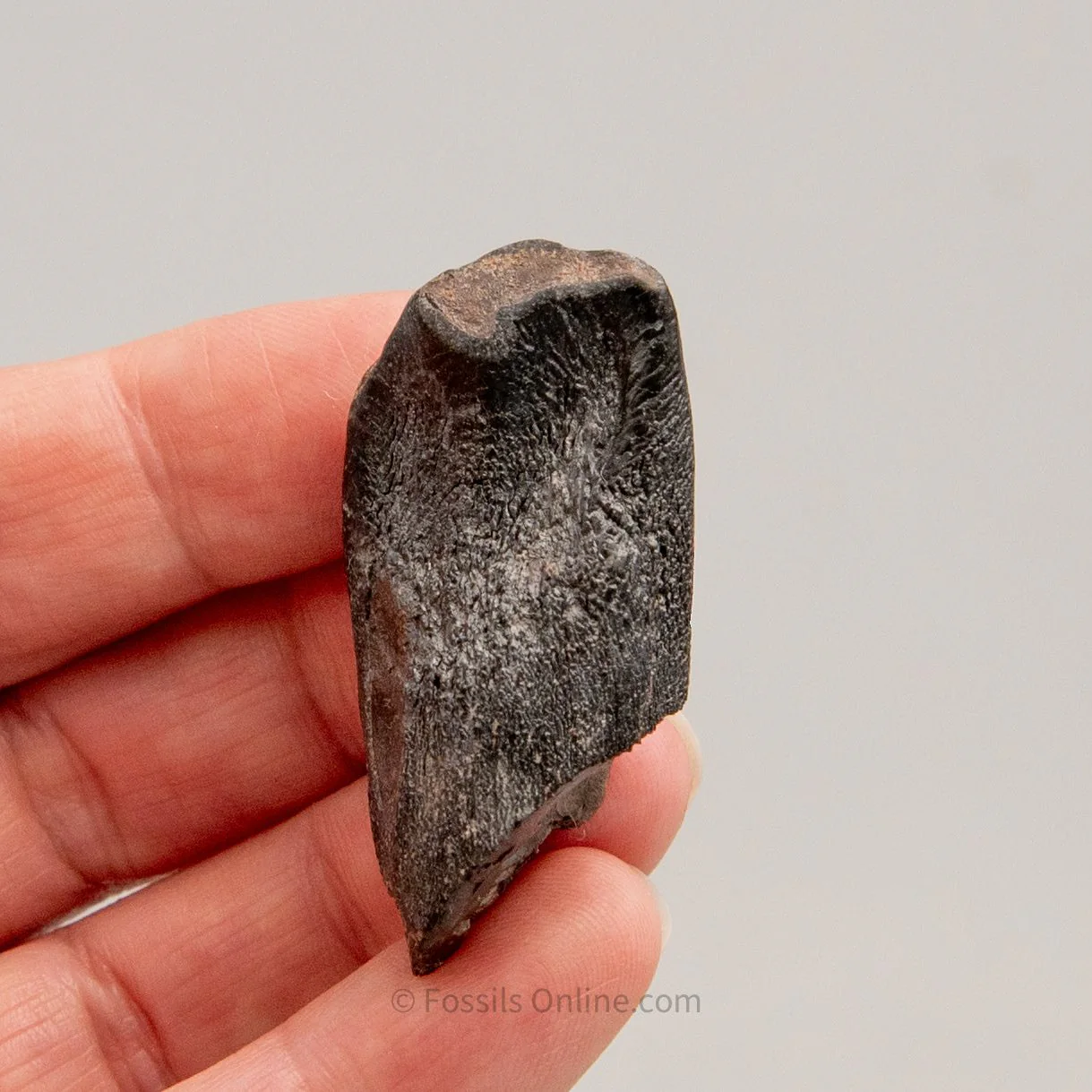
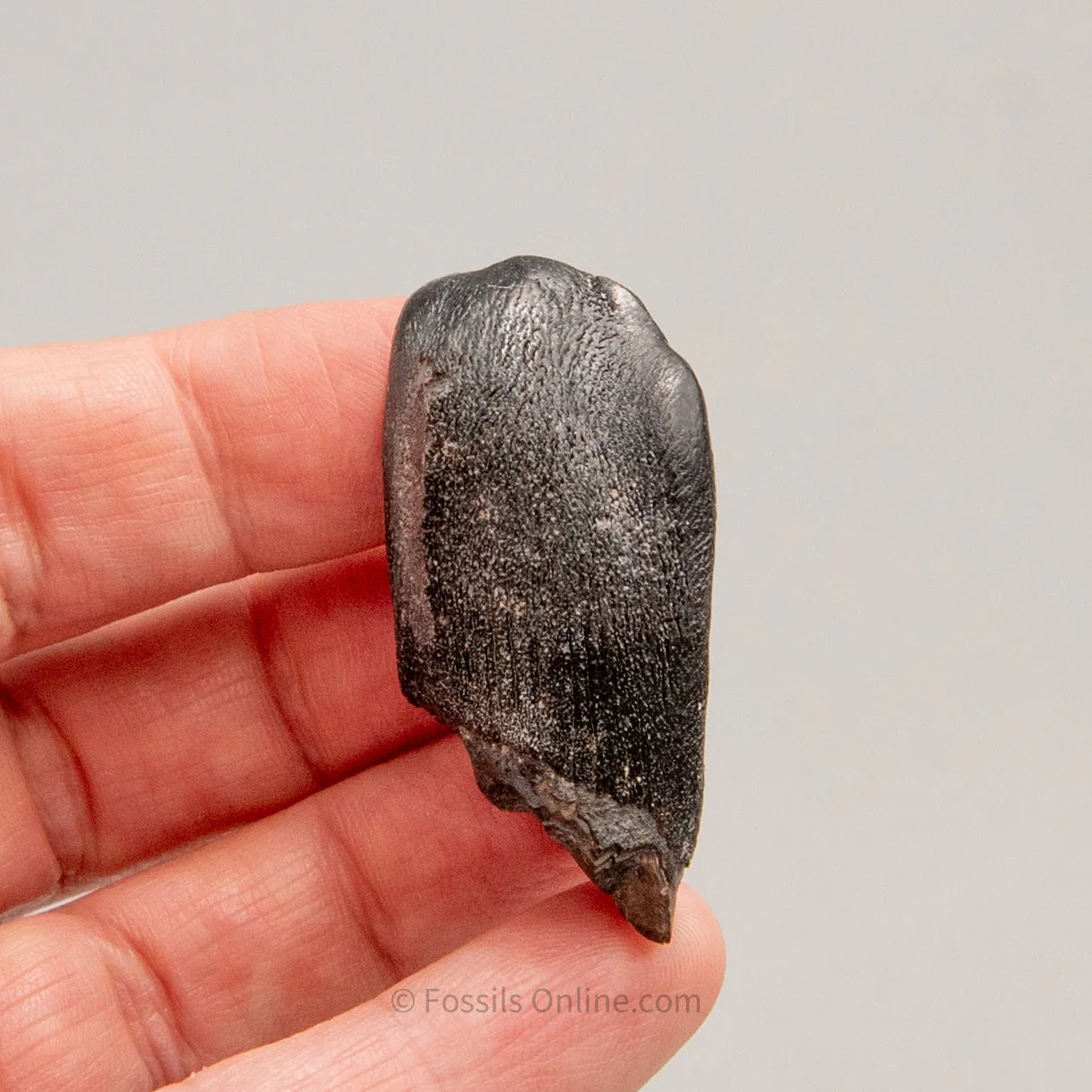
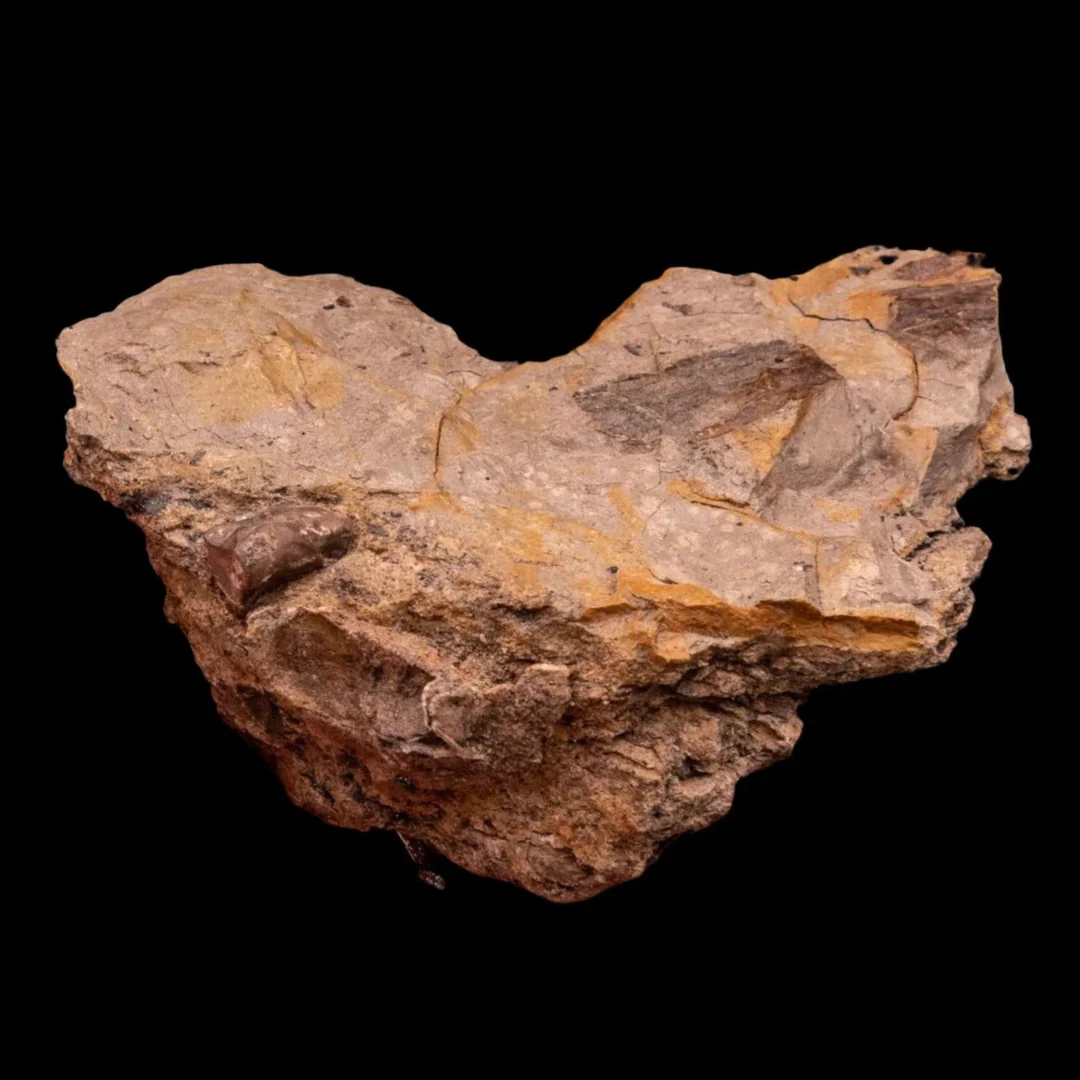
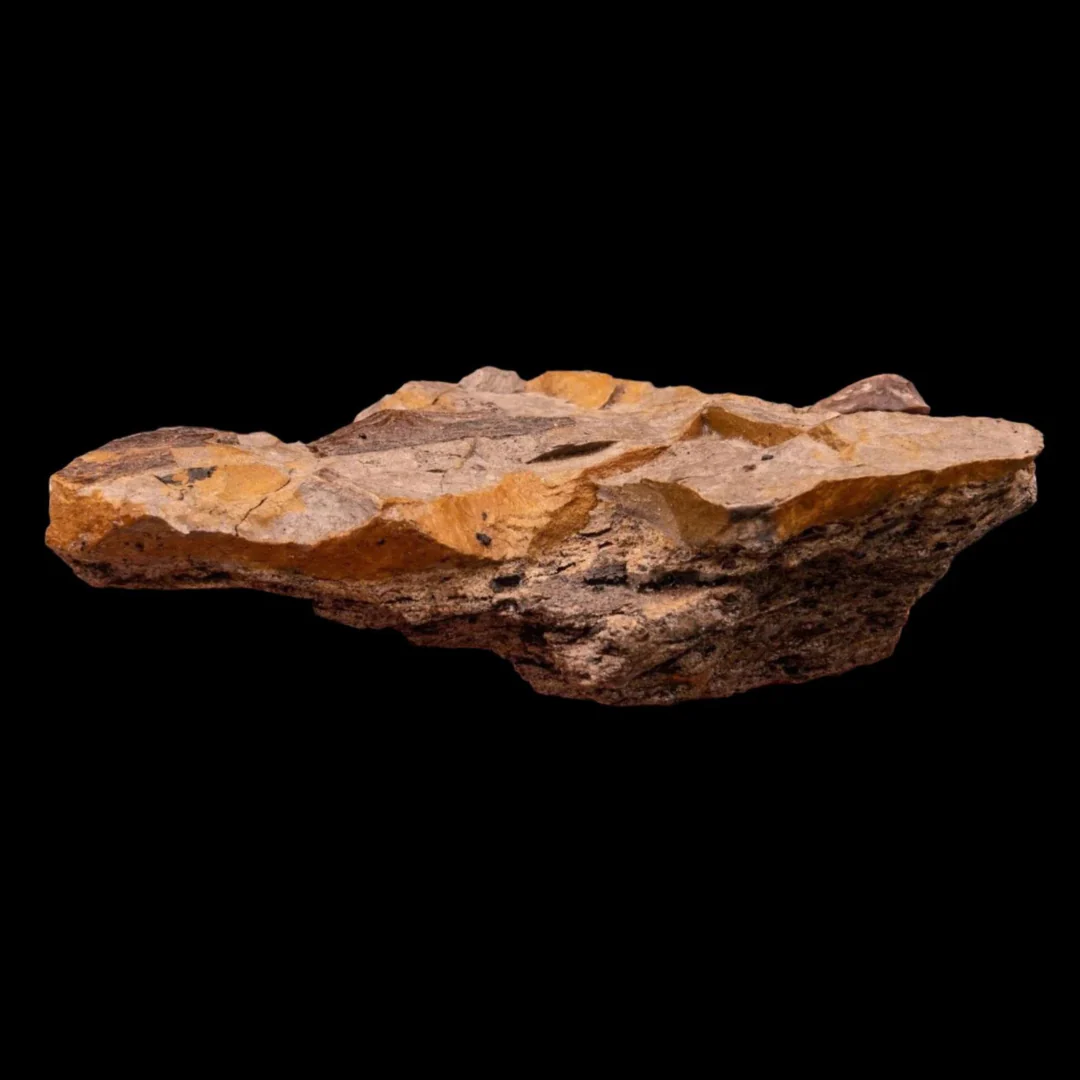
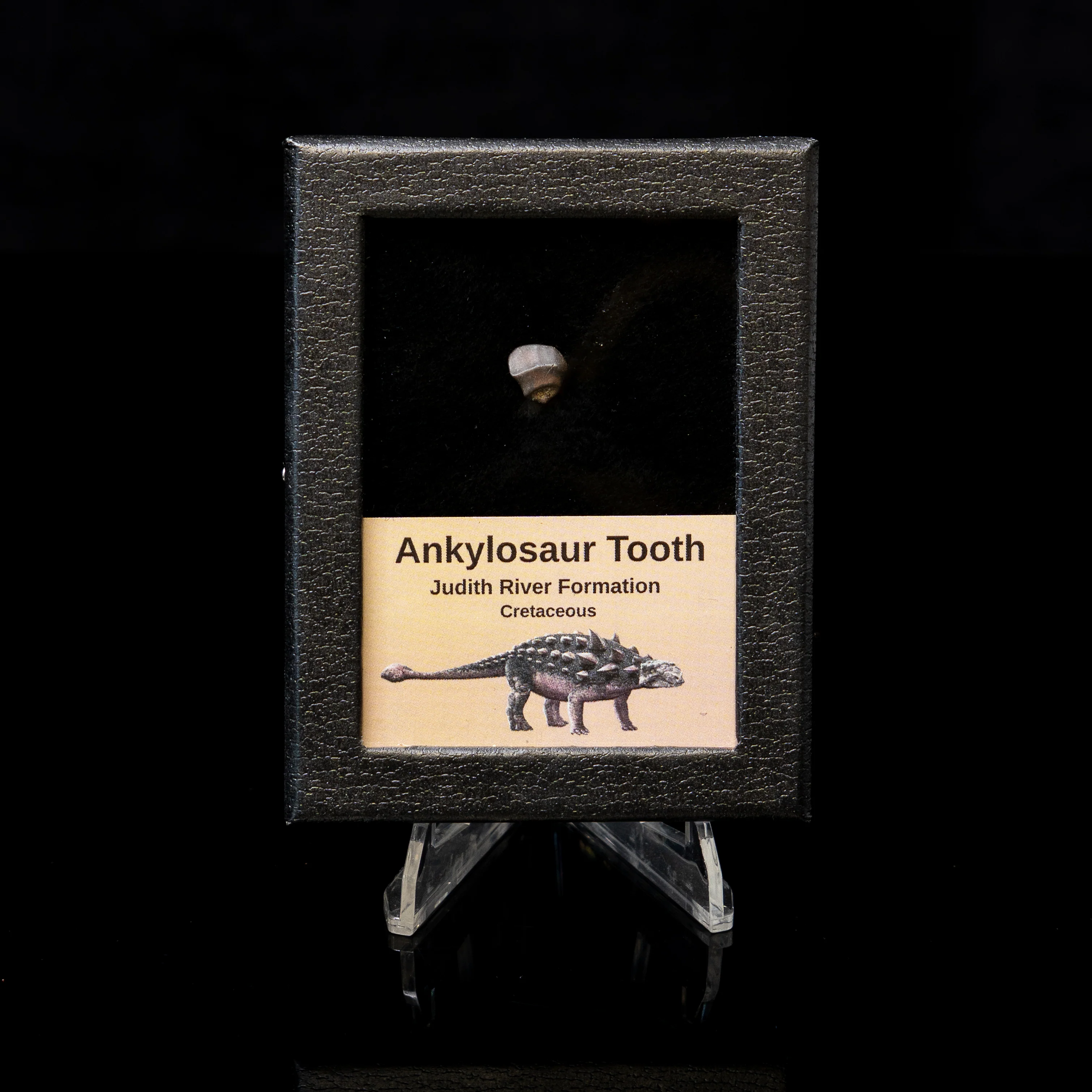
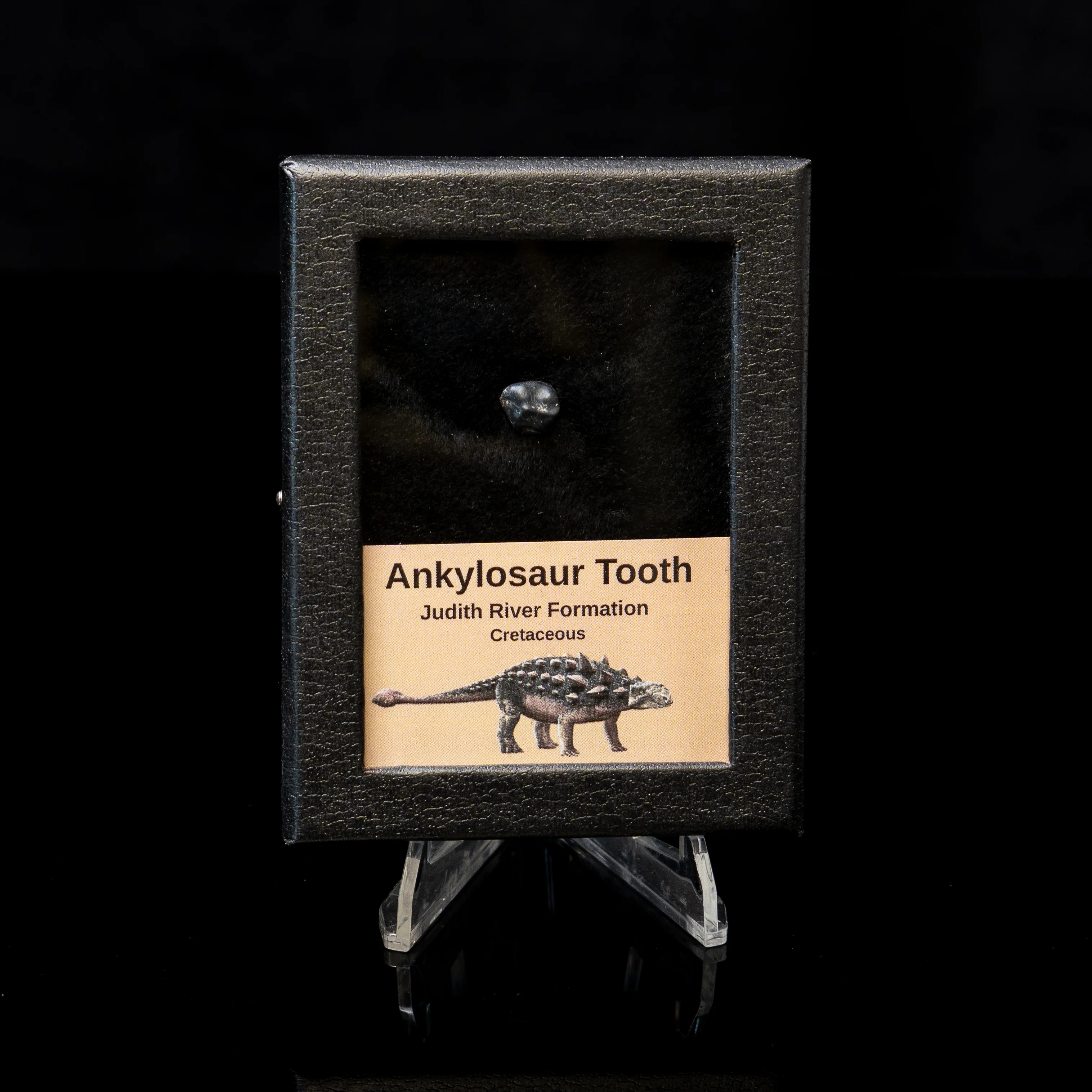
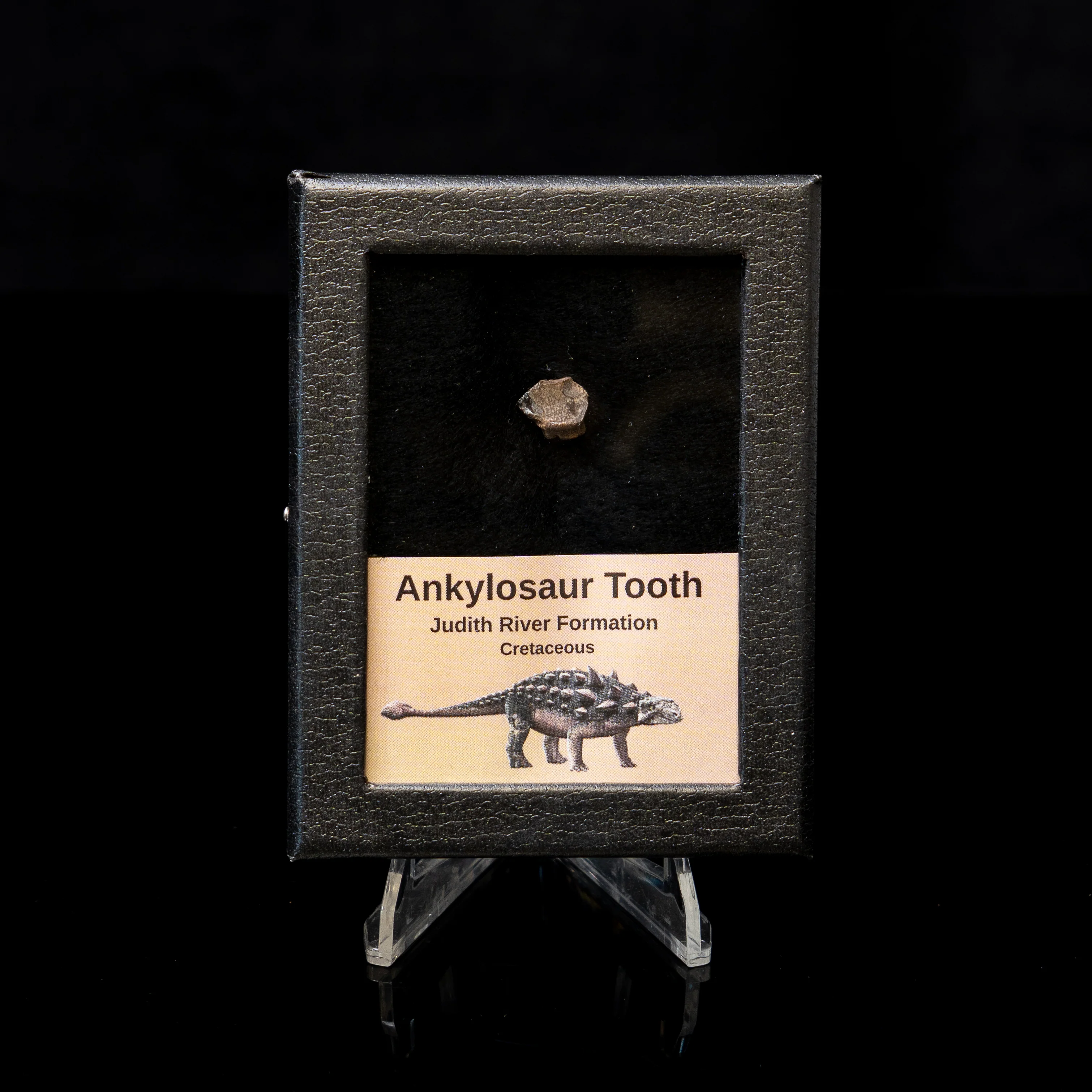
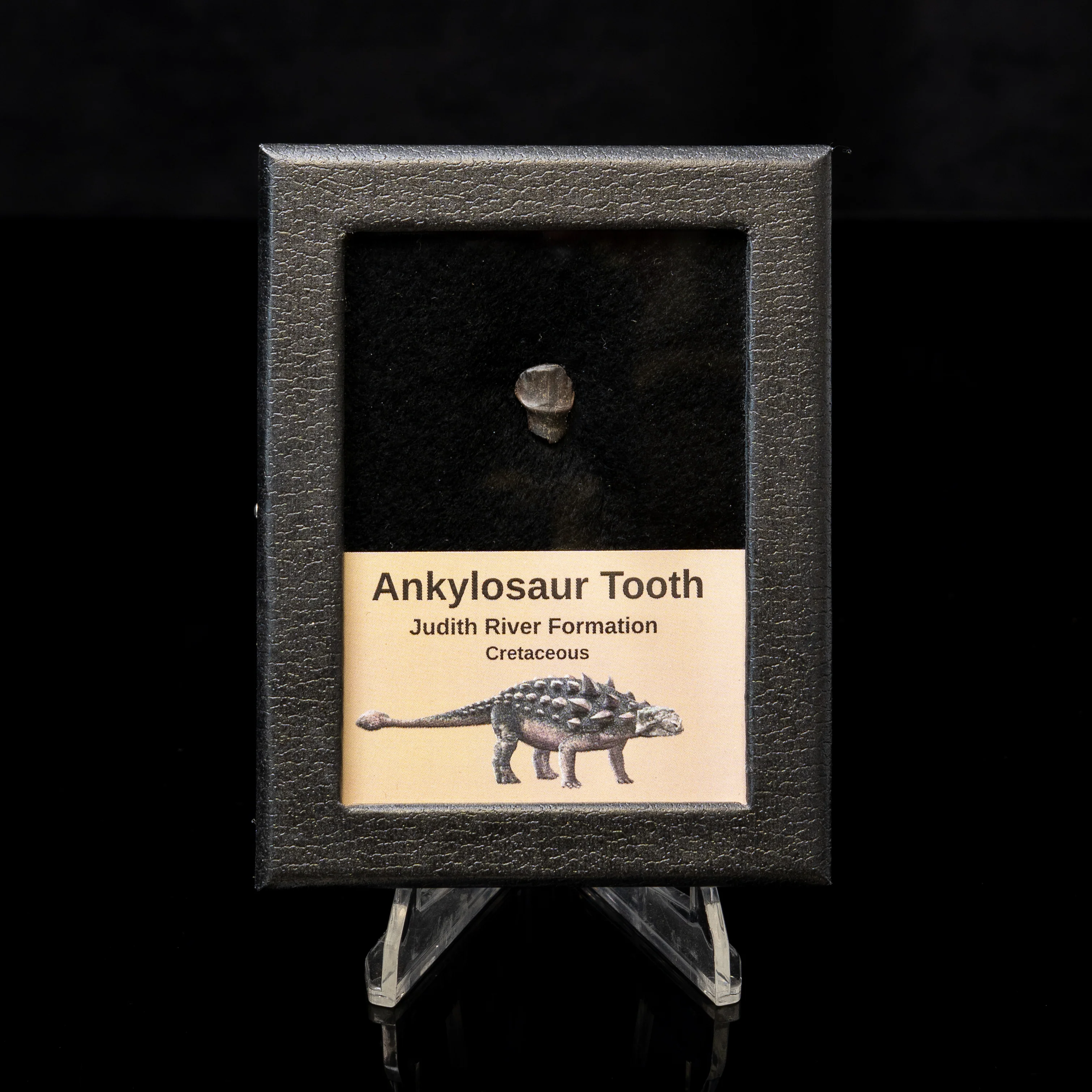
Beautiful Ankylosaur (Zuul crurivastator?) From the Judith River Formation of Montana.
Ankylosaur teeth are much more uncommon than other dinosaur teeth, such as Hadrosaurs and Ceratopsians.
Ankylosaur is one of the most unforgettable dinosaurs ever found: a low-slung, tank-built herbivore wrapped in bony armor, with a heavy tail club made for delivering a crushing blow. Zuul crurivastator lived near the end of the Cretaceous, about 76 million years ago, in what is now Montana, moving through warm coastal plains and river systems alongside other famous Late Cretaceous dinosaurs. It wasn’t fast, but it didn’t need to be—this animal was built to end arguments.
Ankylosaur vs. Nodosaur: what’s the difference?
“Armored dinosaur” can mean two different styles, and this is the key split:
Ankylosaurs (like Zuul): Have a tail club—a true bony weapon at the end of a stiffened tail
-
Tend to be lower, wider, and built like a battering ram, with armor designed for taking hits and dishing them back.
-
Often have more heavily reinforced tail vertebrae to support club strikes.
Nodosaurs: No tail club. Their tails are armored, but not built into a hammer.
-
Rely more on spikes and side armor for defense—many have prominent shoulder spikes that make them dangerous to bite or grab.
-
Often look a bit more “spiky” overall, like a walking barricade rather than a club-wielding tank.
In simple terms: ankylosaurs carry a club, while nodosaurs carry extra spikes—two different solutions to the same problem: surviving in a world full of big predators.
What Ankylosaur ate
Ankylosaurs weren’t browsing treetops—they were low-level plant eaters, built to feed close to the ground:
-
Ferns and low shrubs
-
Cycads and other tough, fibrous plants
-
Tender shoots and leaves near waterways
They likely moved slowly, feeding steadily, using a broad beak to crop plants and grinding them down with teeth designed for repetitive chewing rather than slicing.
Armor, spikes, and the “built-in shield”
The real identity of an ankylosausr is its armor: Osteoderms (bony plates formed in the skin) acted like a natural shield.
-
Many ankylosaurs had rows of larger knobs and spikes along the sides, protecting vulnerable areas.
-
This wasn’t decoration—it was survival gear against big predators.
Instead of relying on speed, ankylosaurs relied on being too difficult and too dangerous to mess with.
The tail club: a prehistoric wrecking ball
Ankylosaur's tail club is one of the coolest features in dinosaur history. It wasn’t just a random lump of bone: The tail was stiffened to act like a handle.
-
The club was the hammerhead.
-
A full-strength swing could likely break bone or at least make a predator regret getting too close.
Even a large carnivore would have to be careful around an animal that could suddenly whip around and swing a club into its legs or ribs.
Details & Craftsmanship
Every detail has been carefully considered to bring you the perfect product.
Details & Craftsmanship
Every detail has been carefully considered to bring you the perfect product.
Details & Craftsmanship
Every detail has been carefully considered to bring you the perfect product.
Description
Beautiful Ankylosaur (Zuul crurivastator?) From the Judith River Formation of Montana.
Ankylosaur teeth are much more uncommon than other dinosaur teeth, such as Hadrosaurs and Ceratopsians.
Ankylosaur is one of the most unforgettable dinosaurs ever found: a low-slung, tank-built herbivore wrapped in bony armor, with a heavy tail club made for delivering a crushing blow. Zuul crurivastator lived near the end of the Cretaceous, about 76 million years ago, in what is now Montana, moving through warm coastal plains and river systems alongside other famous Late Cretaceous dinosaurs. It wasn’t fast, but it didn’t need to be—this animal was built to end arguments.
Ankylosaur vs. Nodosaur: what’s the difference?
“Armored dinosaur” can mean two different styles, and this is the key split:
Ankylosaurs (like Zuul): Have a tail club—a true bony weapon at the end of a stiffened tail
-
Tend to be lower, wider, and built like a battering ram, with armor designed for taking hits and dishing them back.
-
Often have more heavily reinforced tail vertebrae to support club strikes.
Nodosaurs: No tail club. Their tails are armored, but not built into a hammer.
-
Rely more on spikes and side armor for defense—many have prominent shoulder spikes that make them dangerous to bite or grab.
-
Often look a bit more “spiky” overall, like a walking barricade rather than a club-wielding tank.
In simple terms: ankylosaurs carry a club, while nodosaurs carry extra spikes—two different solutions to the same problem: surviving in a world full of big predators.
What Ankylosaur ate
Ankylosaurs weren’t browsing treetops—they were low-level plant eaters, built to feed close to the ground:
-
Ferns and low shrubs
-
Cycads and other tough, fibrous plants
-
Tender shoots and leaves near waterways
They likely moved slowly, feeding steadily, using a broad beak to crop plants and grinding them down with teeth designed for repetitive chewing rather than slicing.
Armor, spikes, and the “built-in shield”
The real identity of an ankylosausr is its armor: Osteoderms (bony plates formed in the skin) acted like a natural shield.
-
Many ankylosaurs had rows of larger knobs and spikes along the sides, protecting vulnerable areas.
-
This wasn’t decoration—it was survival gear against big predators.
Instead of relying on speed, ankylosaurs relied on being too difficult and too dangerous to mess with.
The tail club: a prehistoric wrecking ball
Ankylosaur's tail club is one of the coolest features in dinosaur history. It wasn’t just a random lump of bone: The tail was stiffened to act like a handle.
-
The club was the hammerhead.
-
A full-strength swing could likely break bone or at least make a predator regret getting too close.
Even a large carnivore would have to be careful around an animal that could suddenly whip around and swing a club into its legs or ribs.