Original: $1,186.00
-70%$1,186.00
$355.80The Story
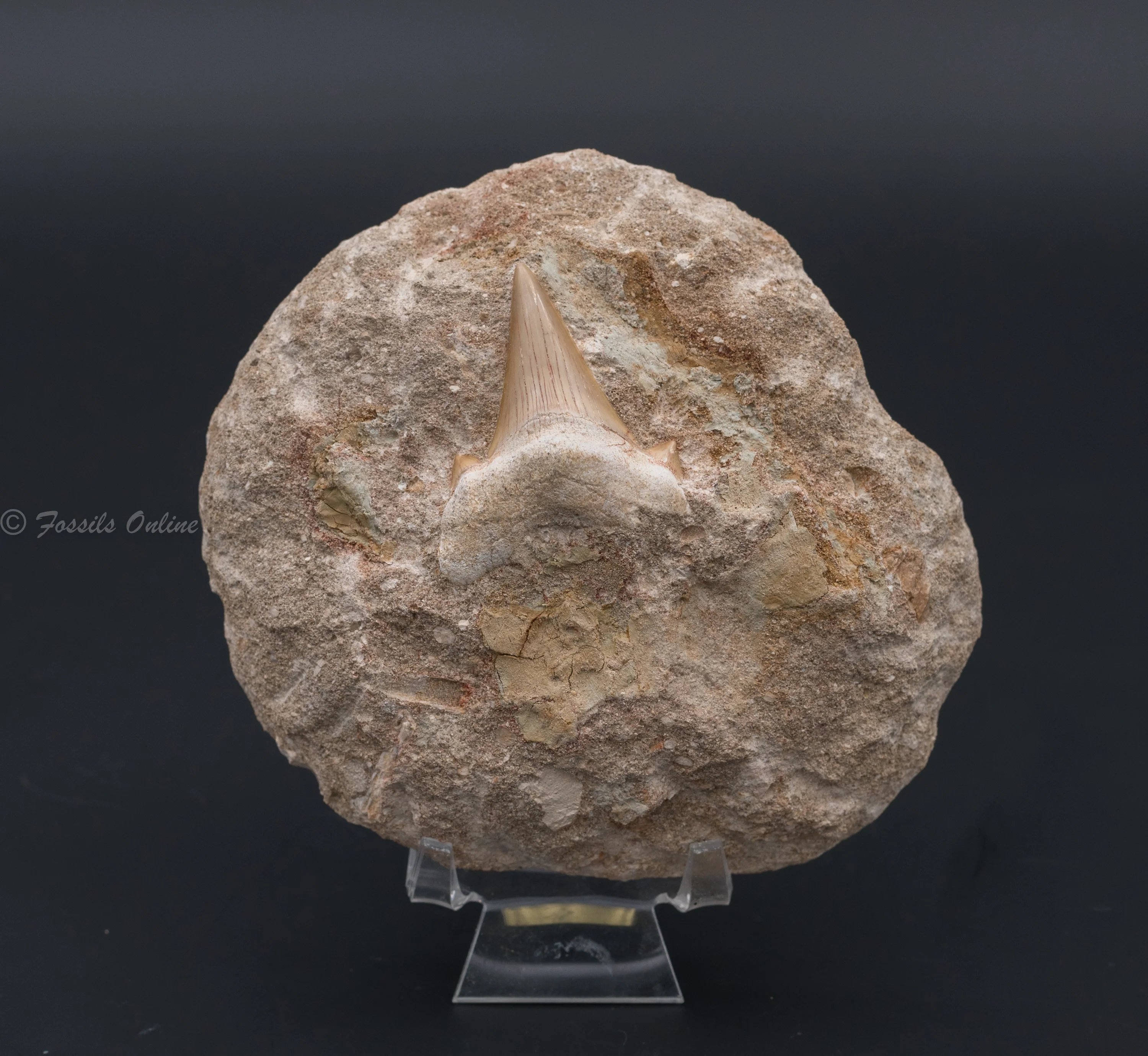
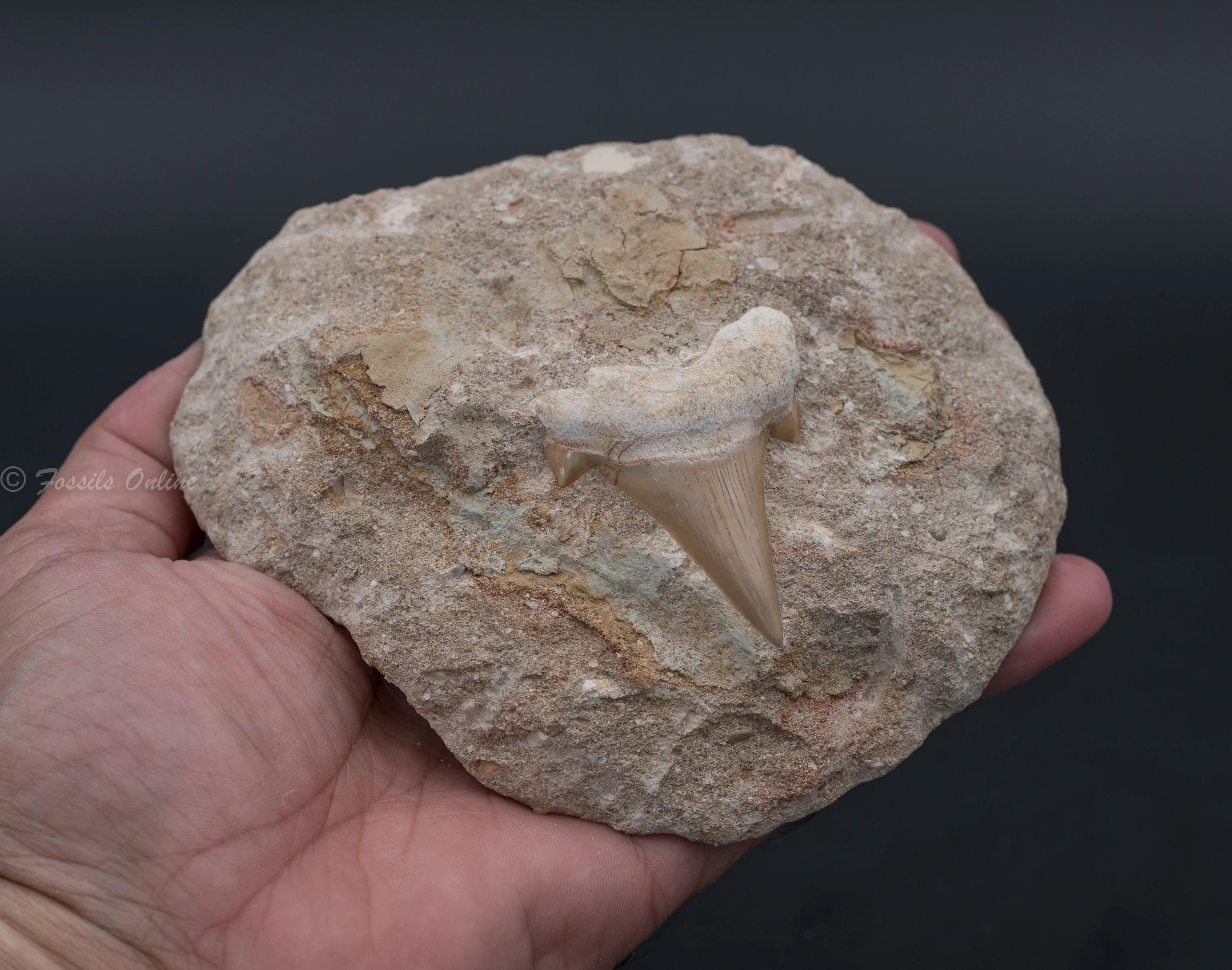
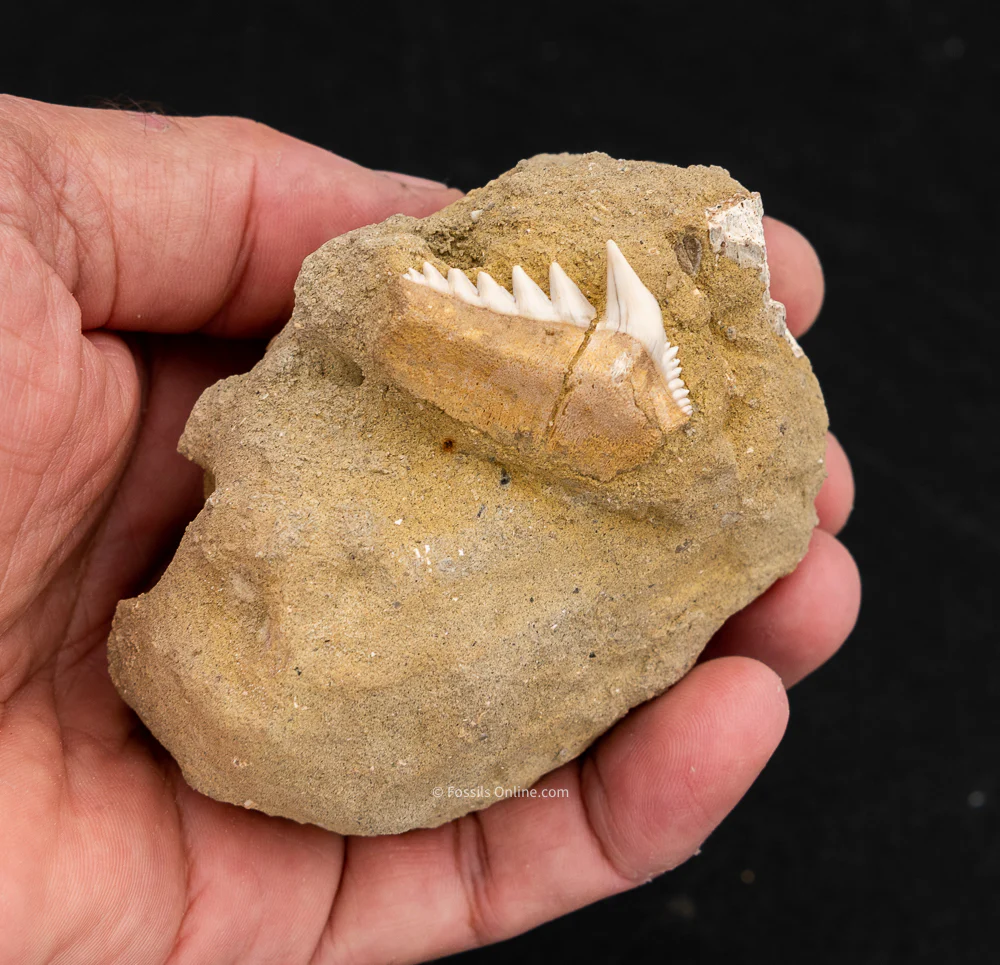
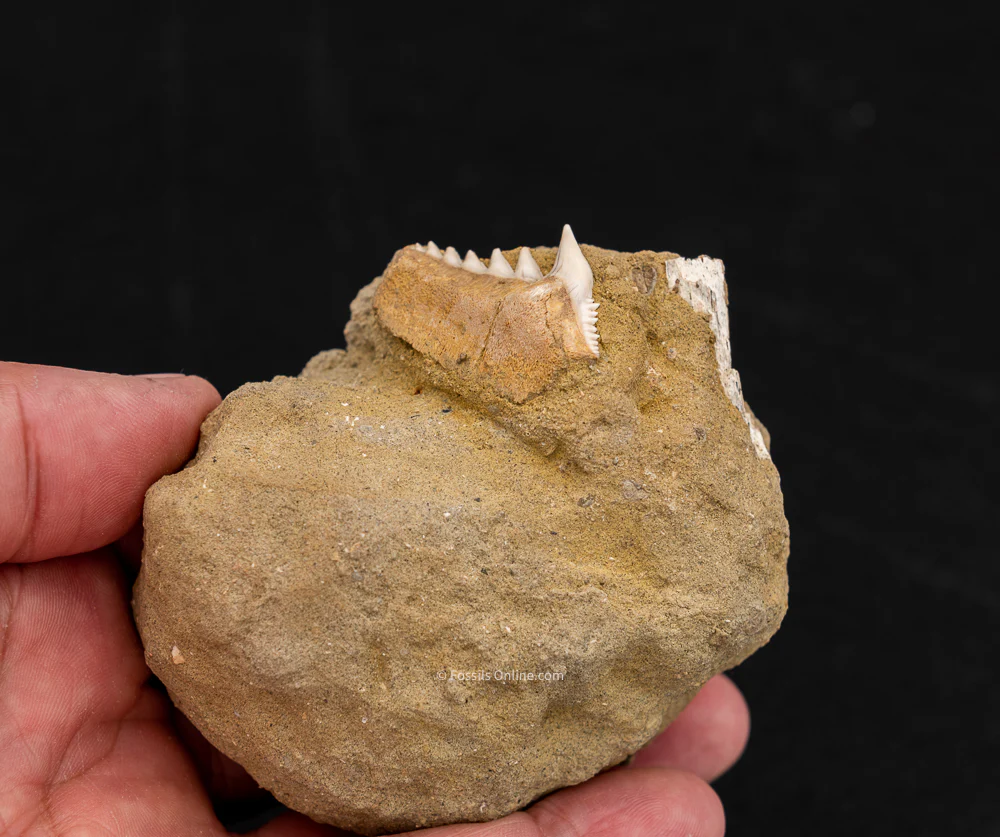
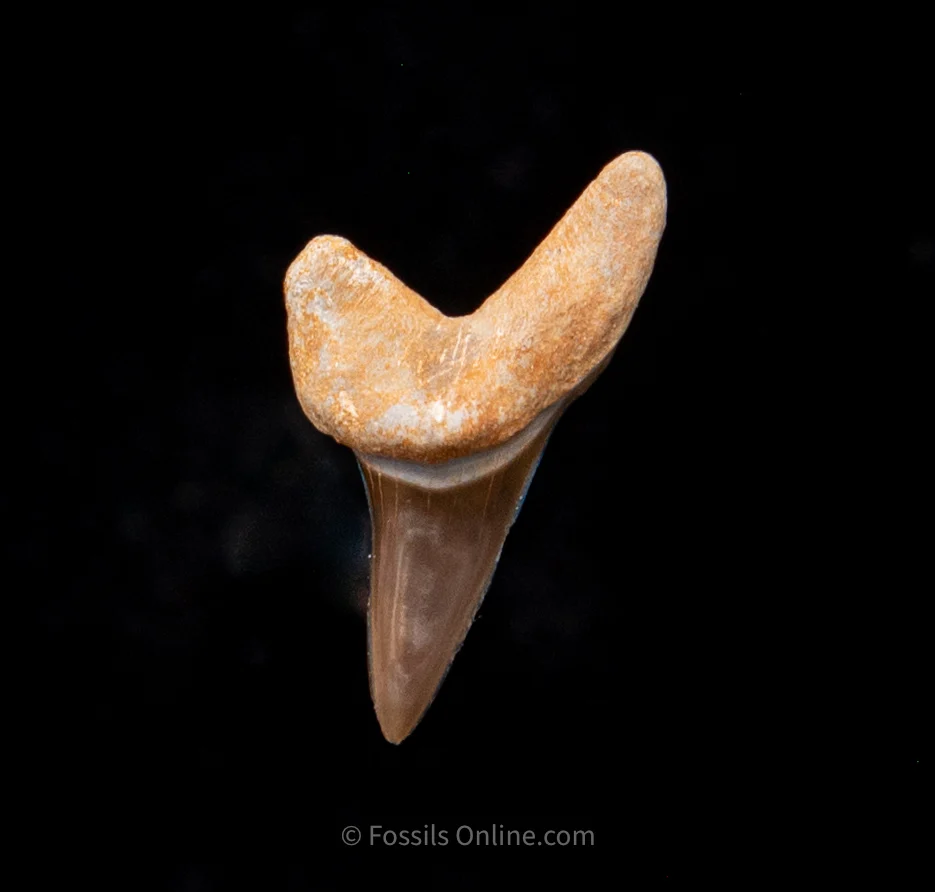
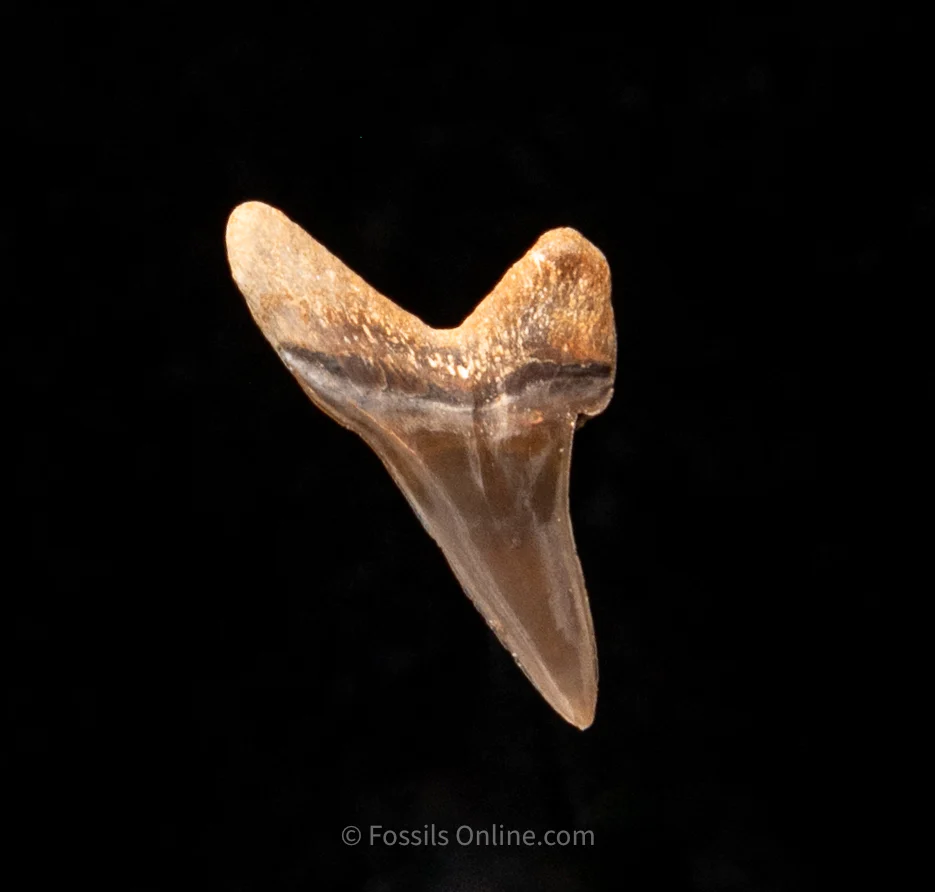
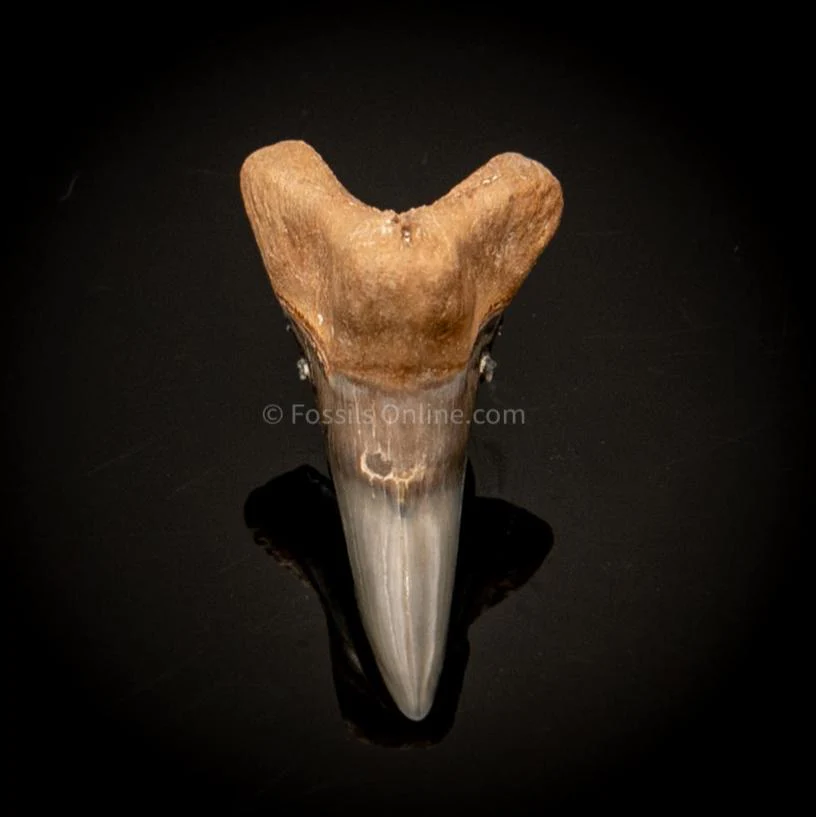
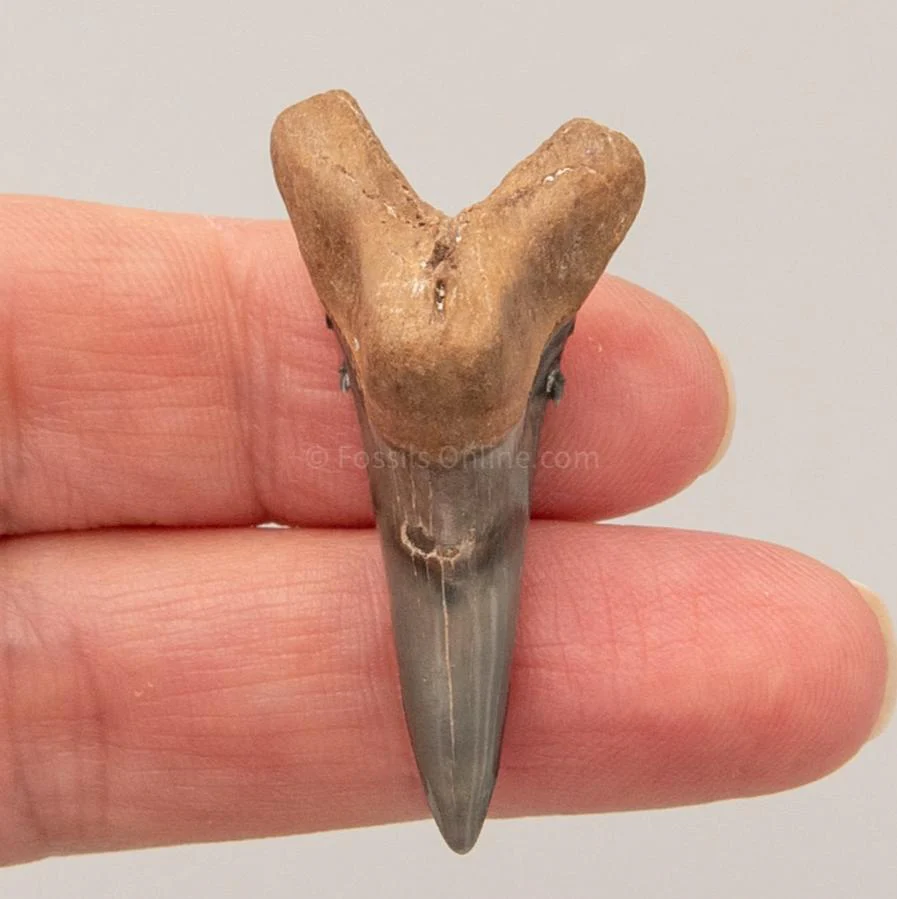
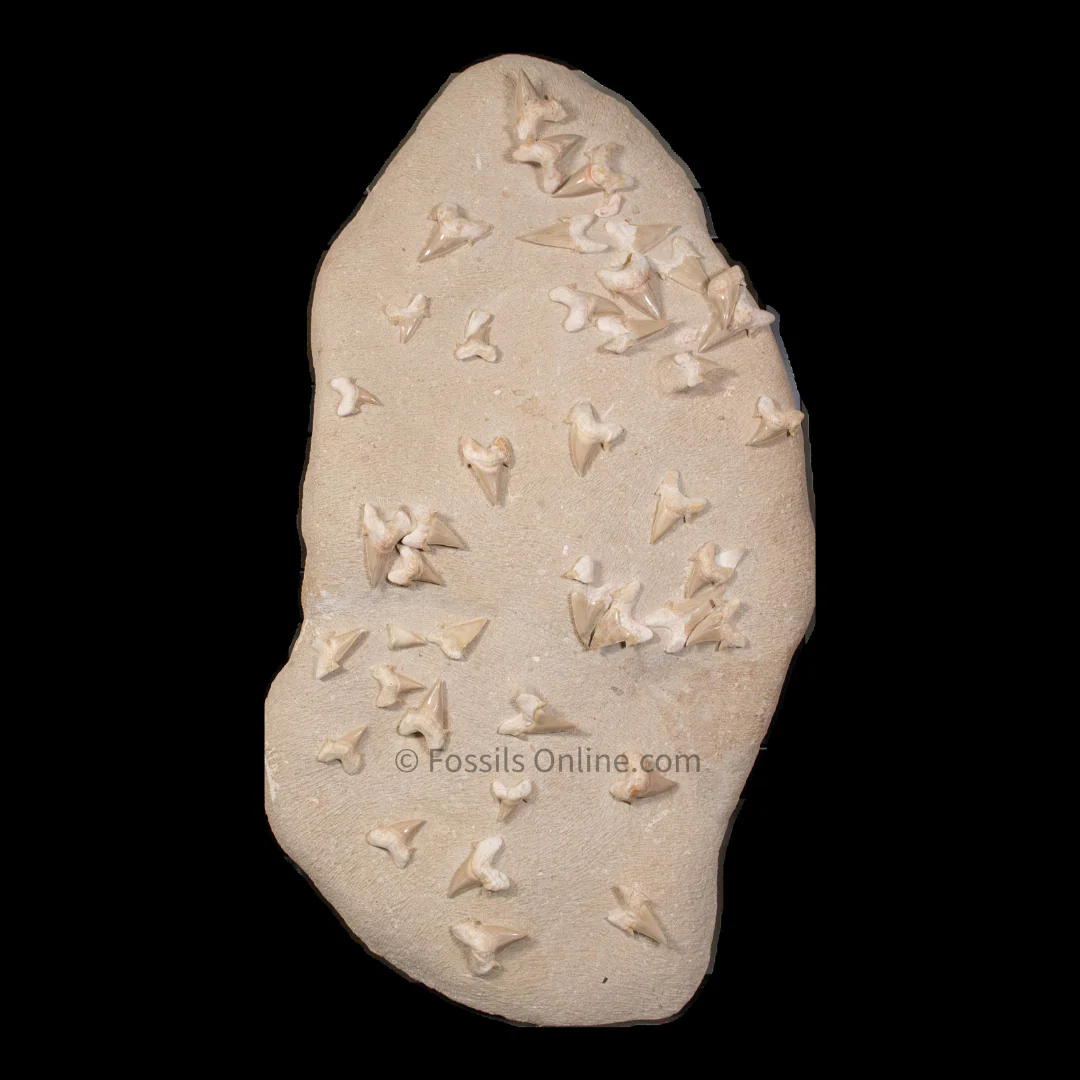
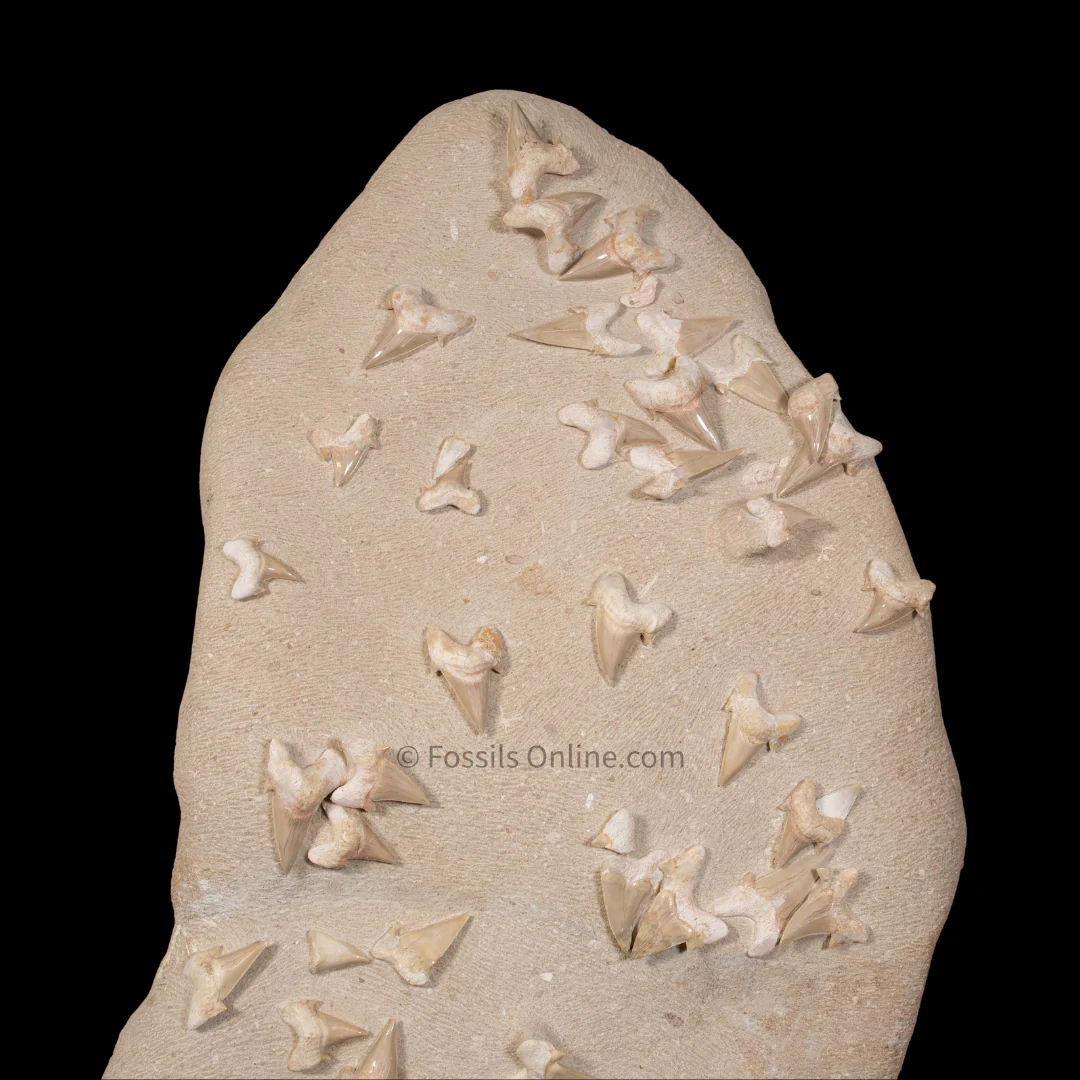
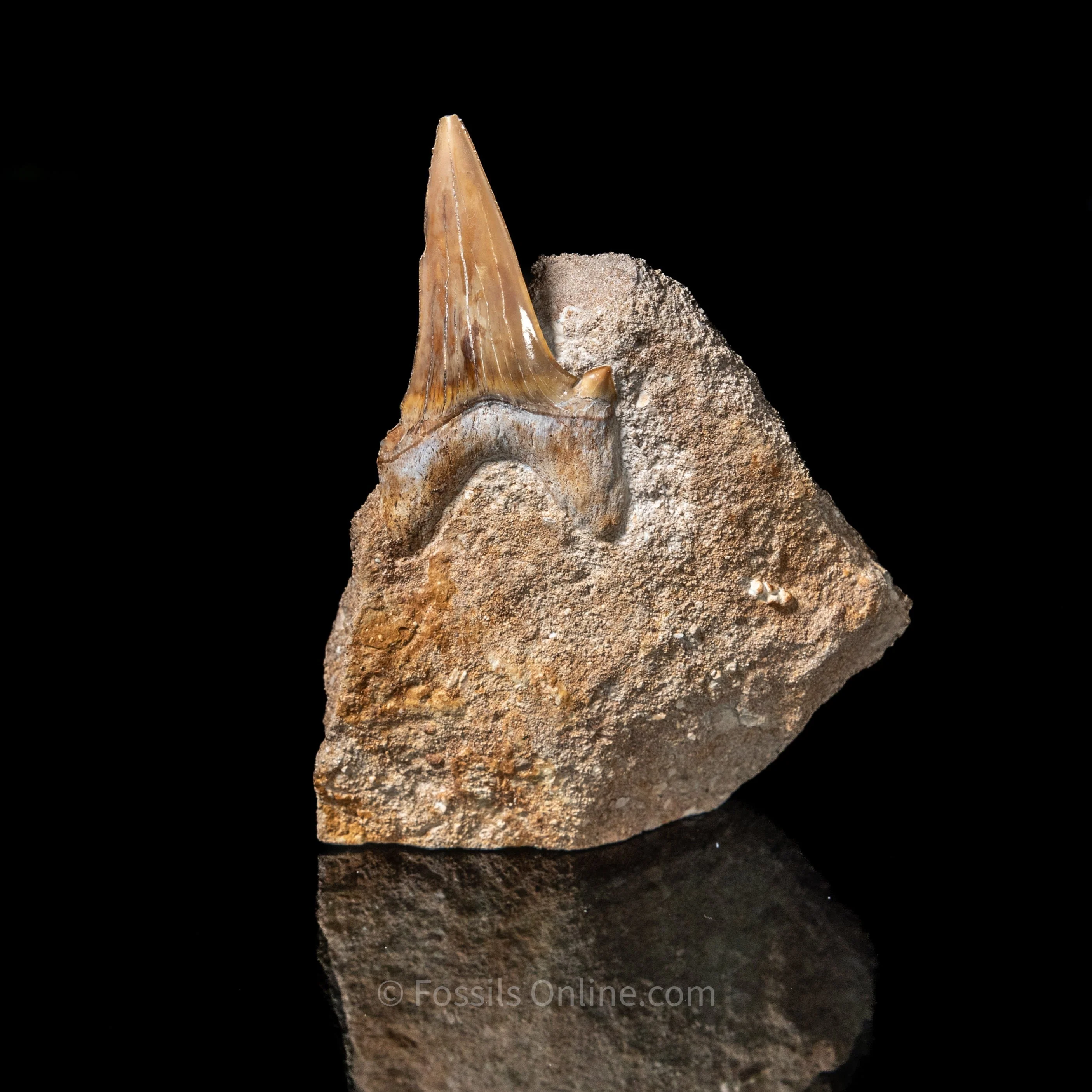
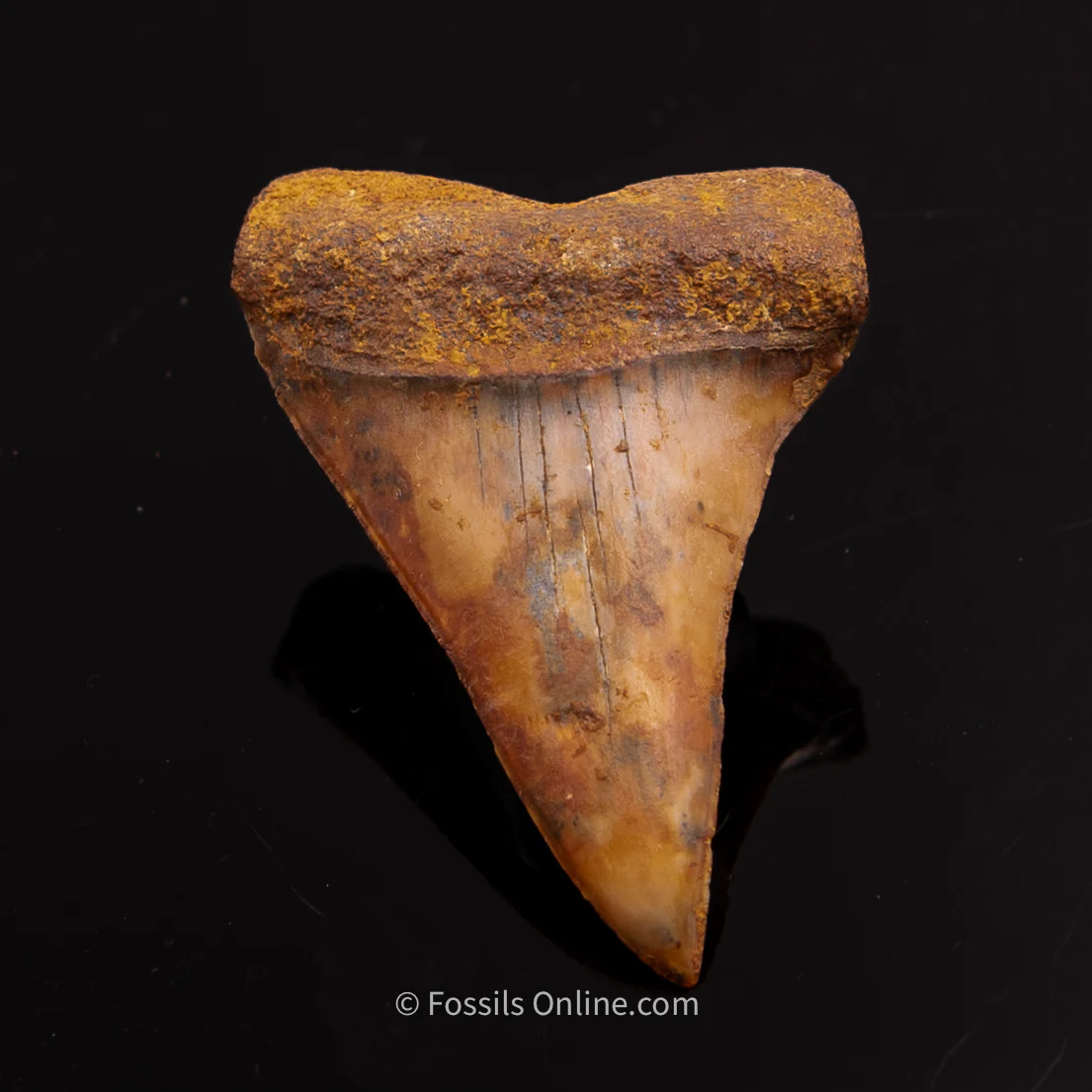
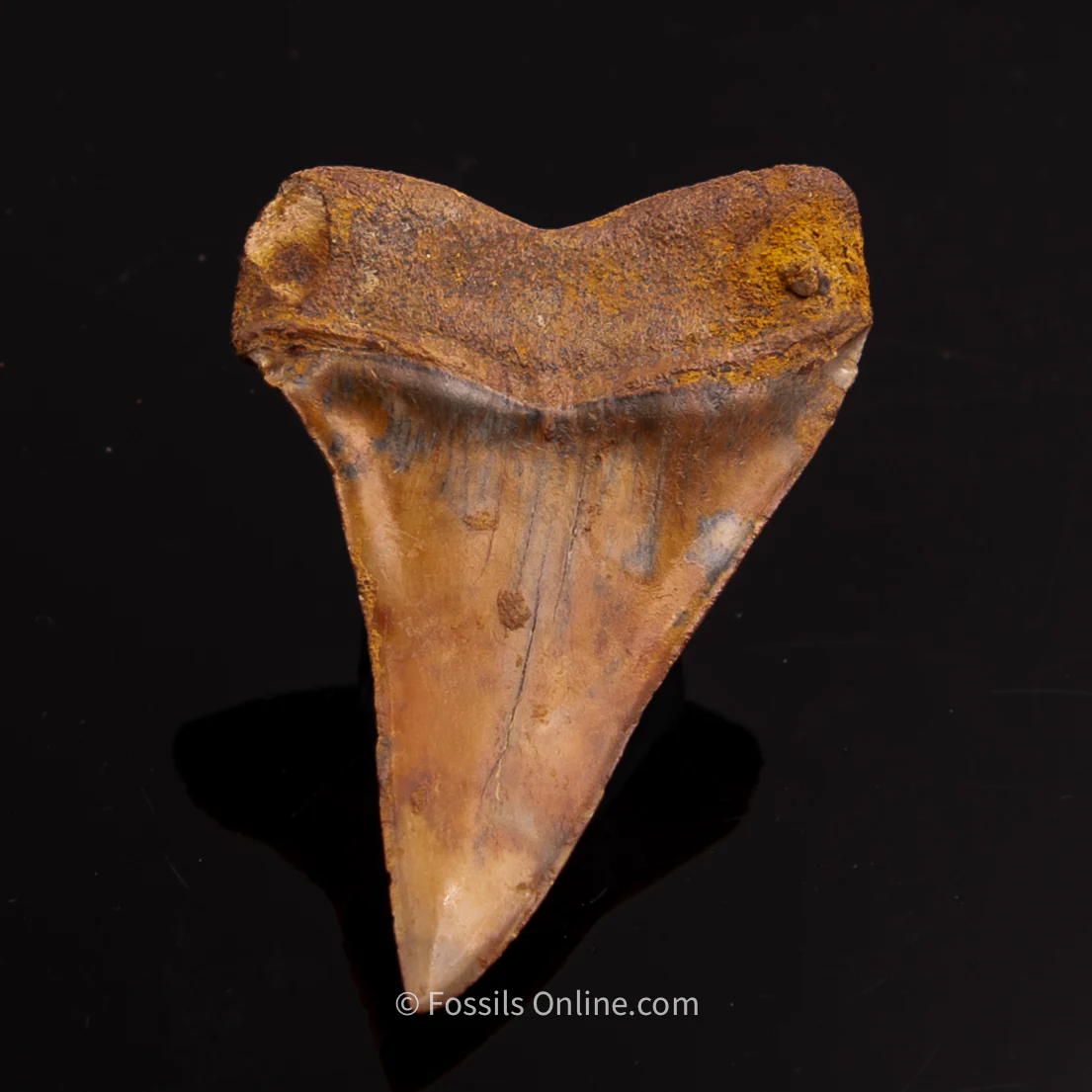
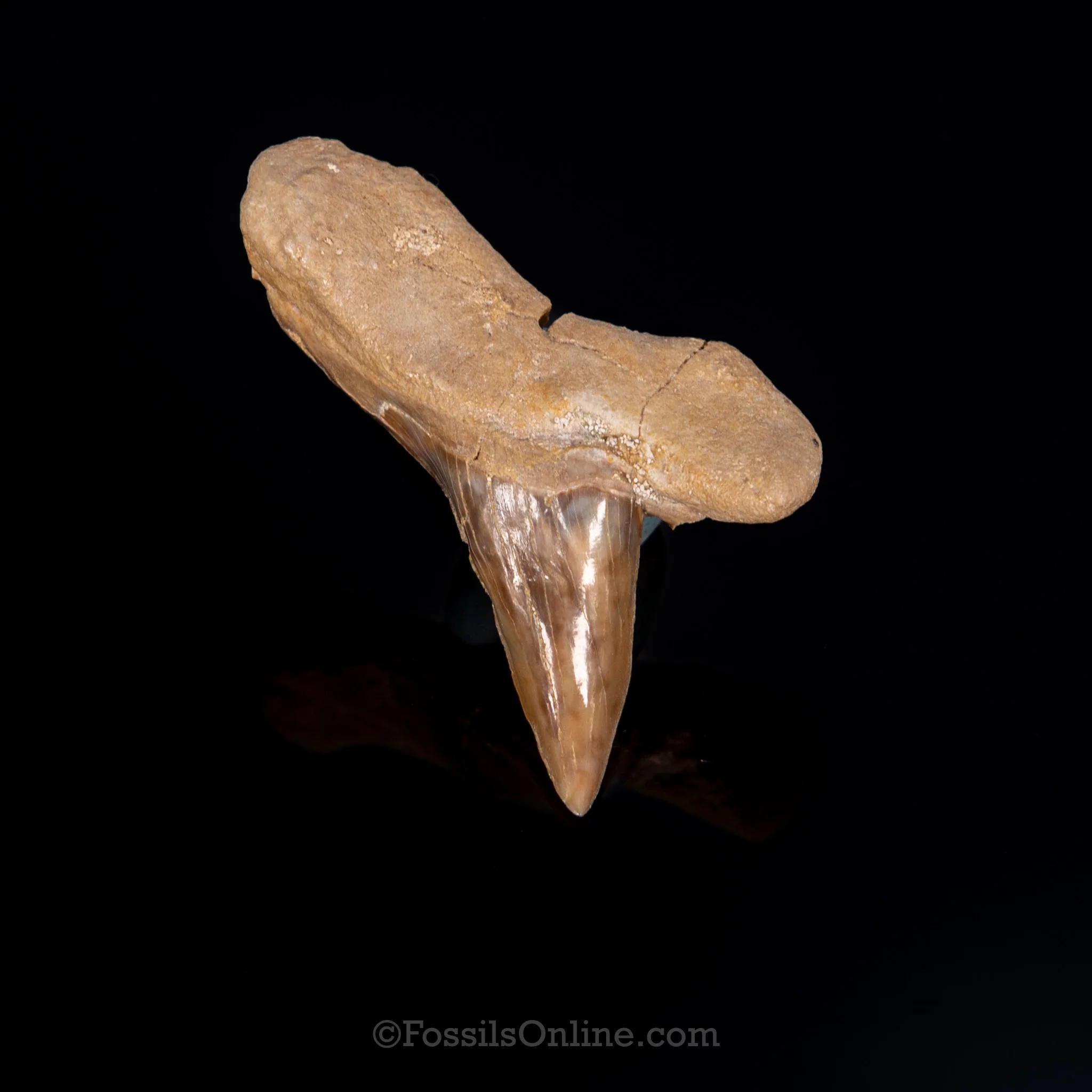
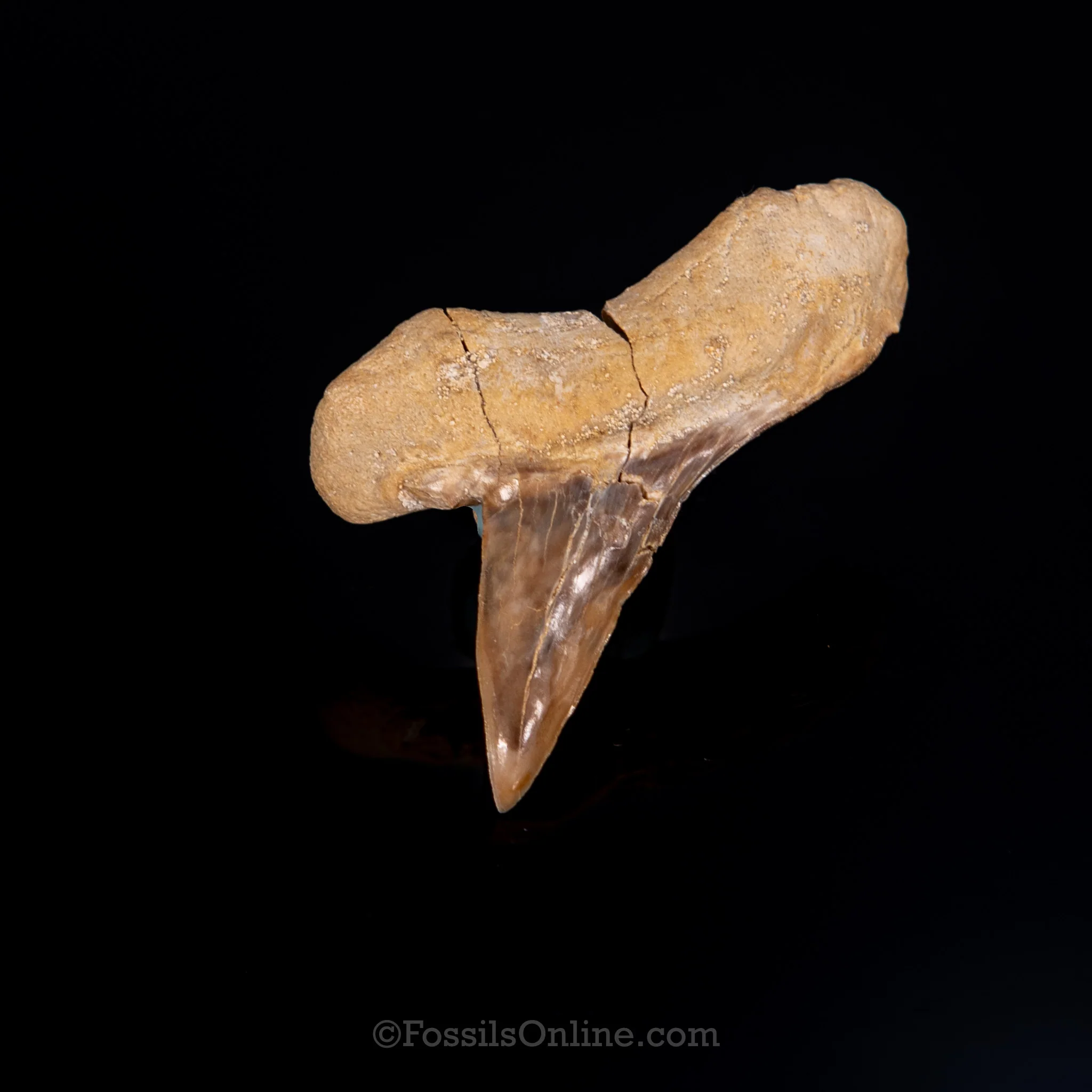
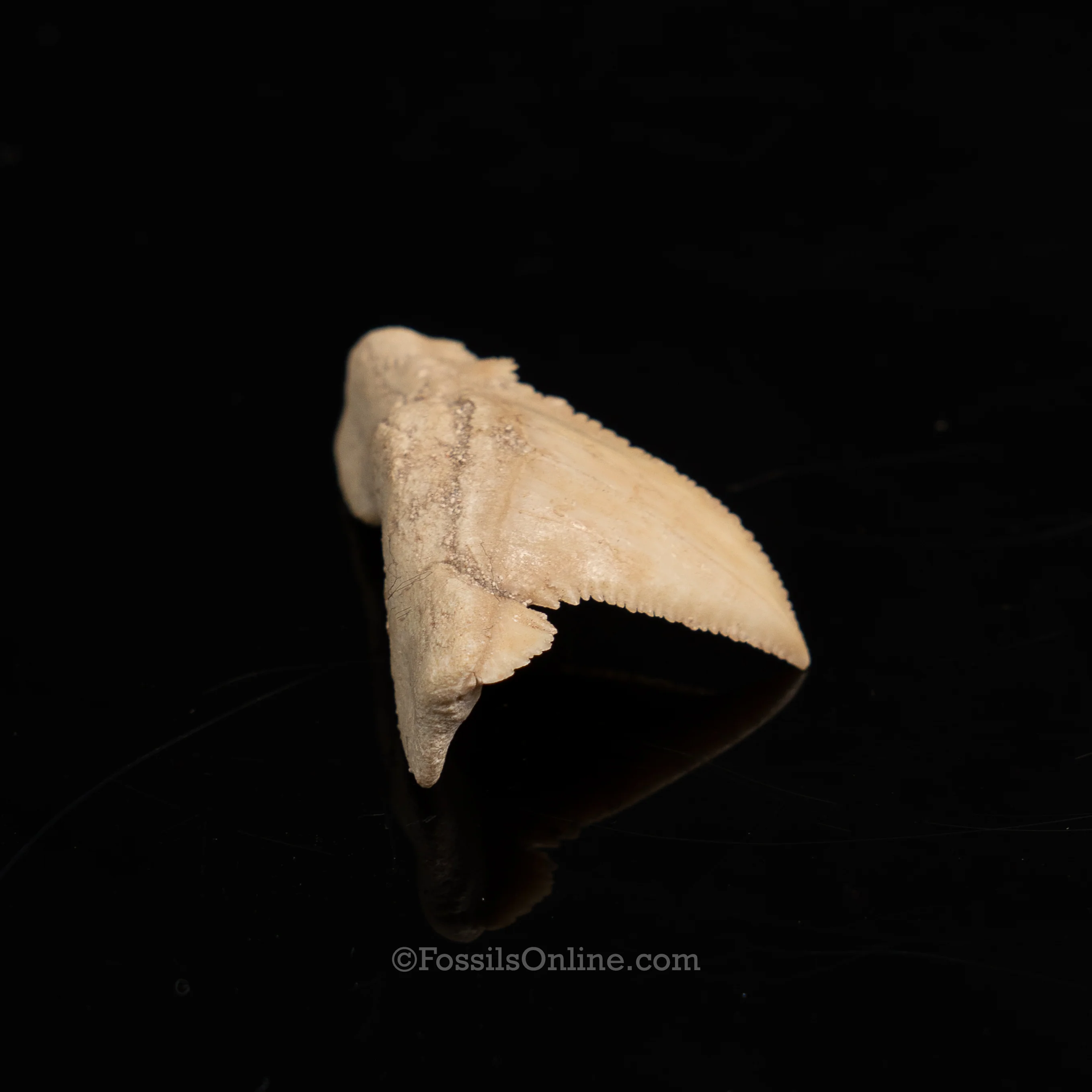
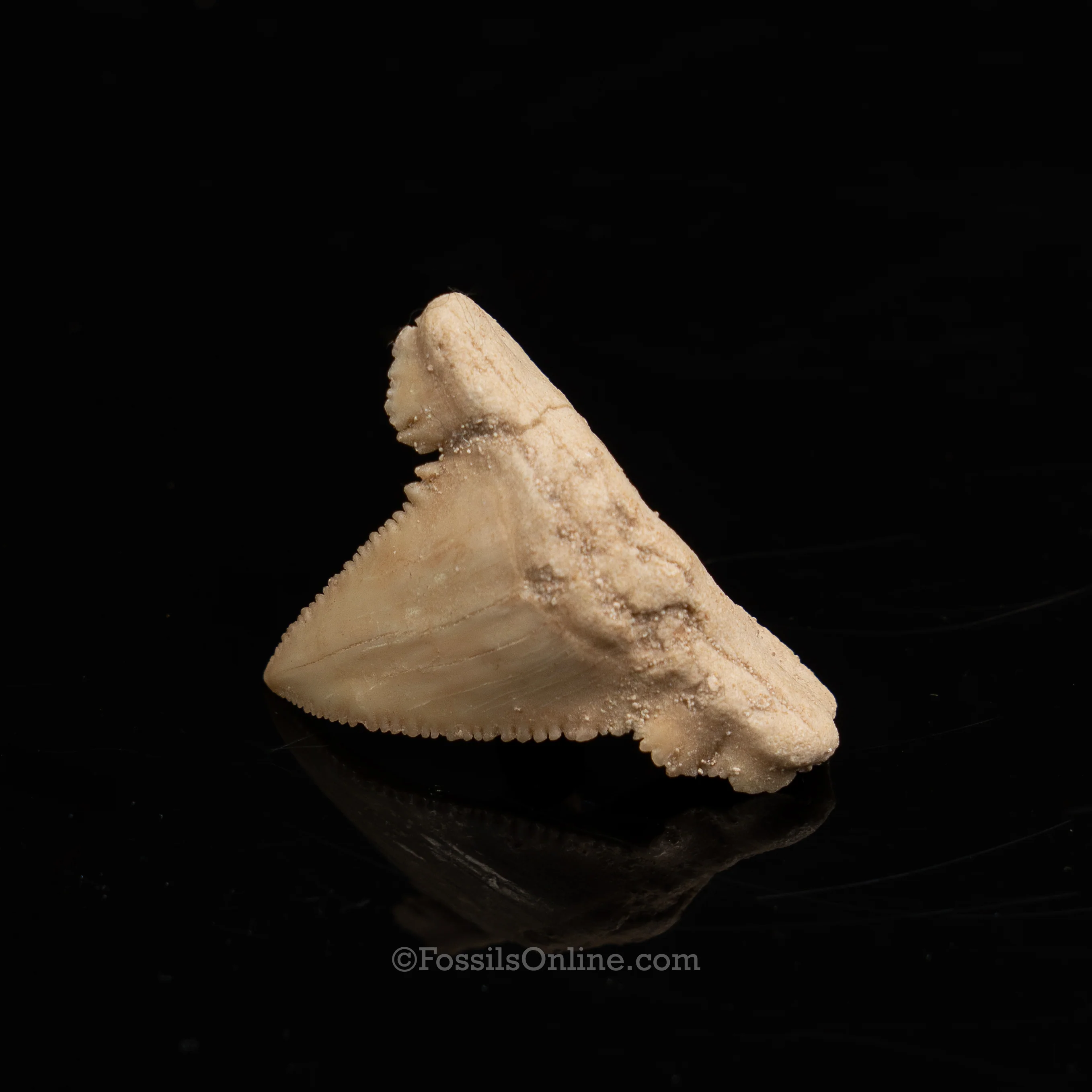
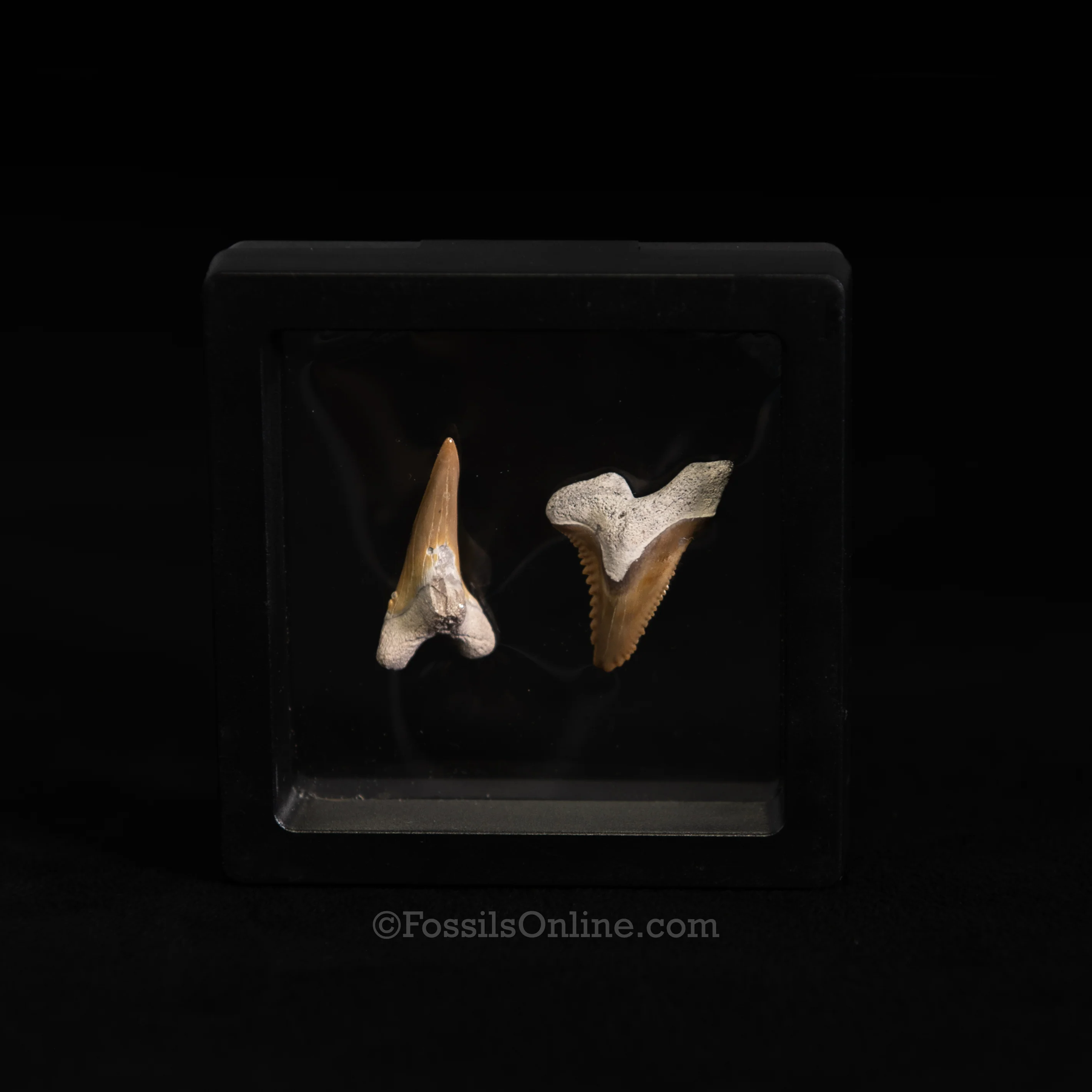
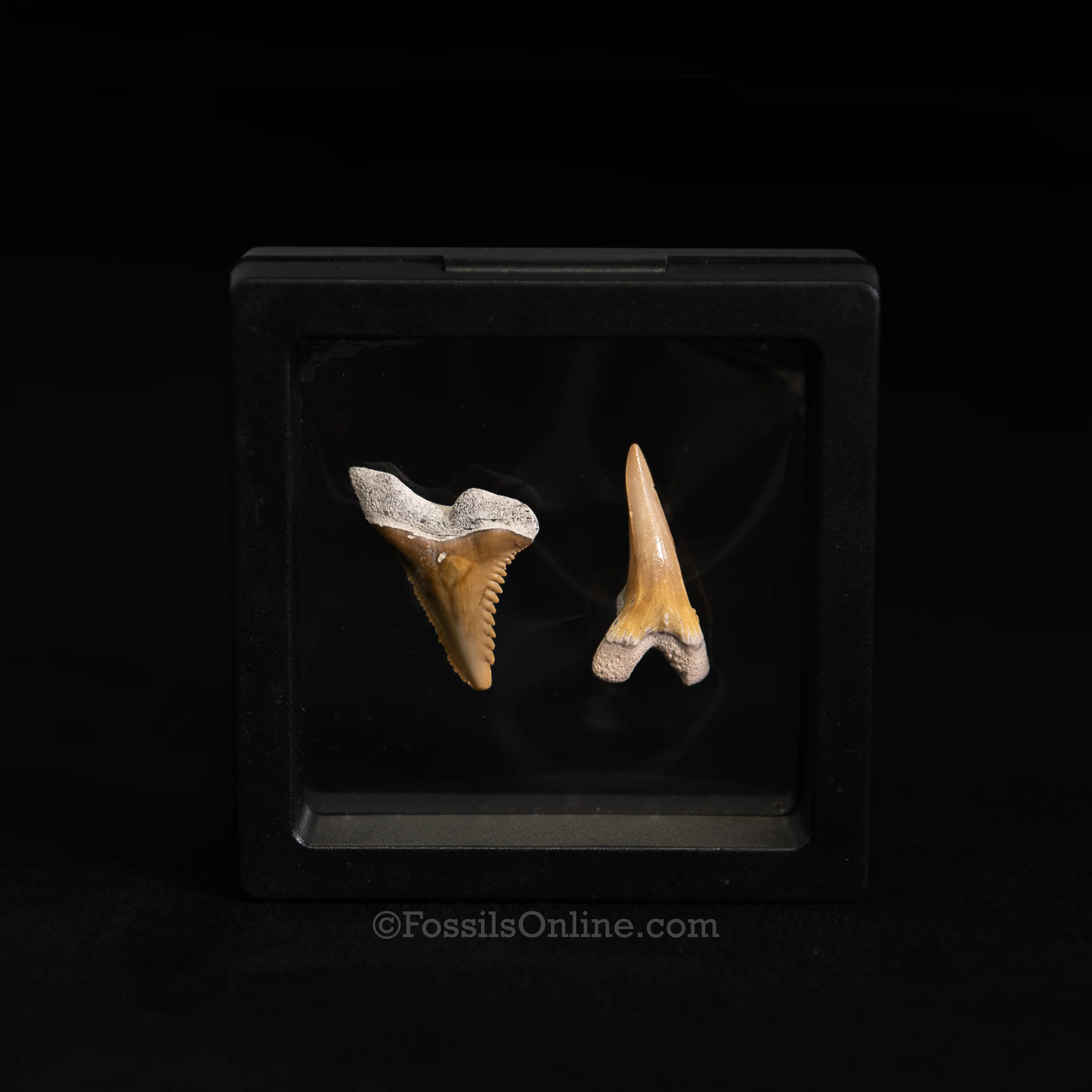
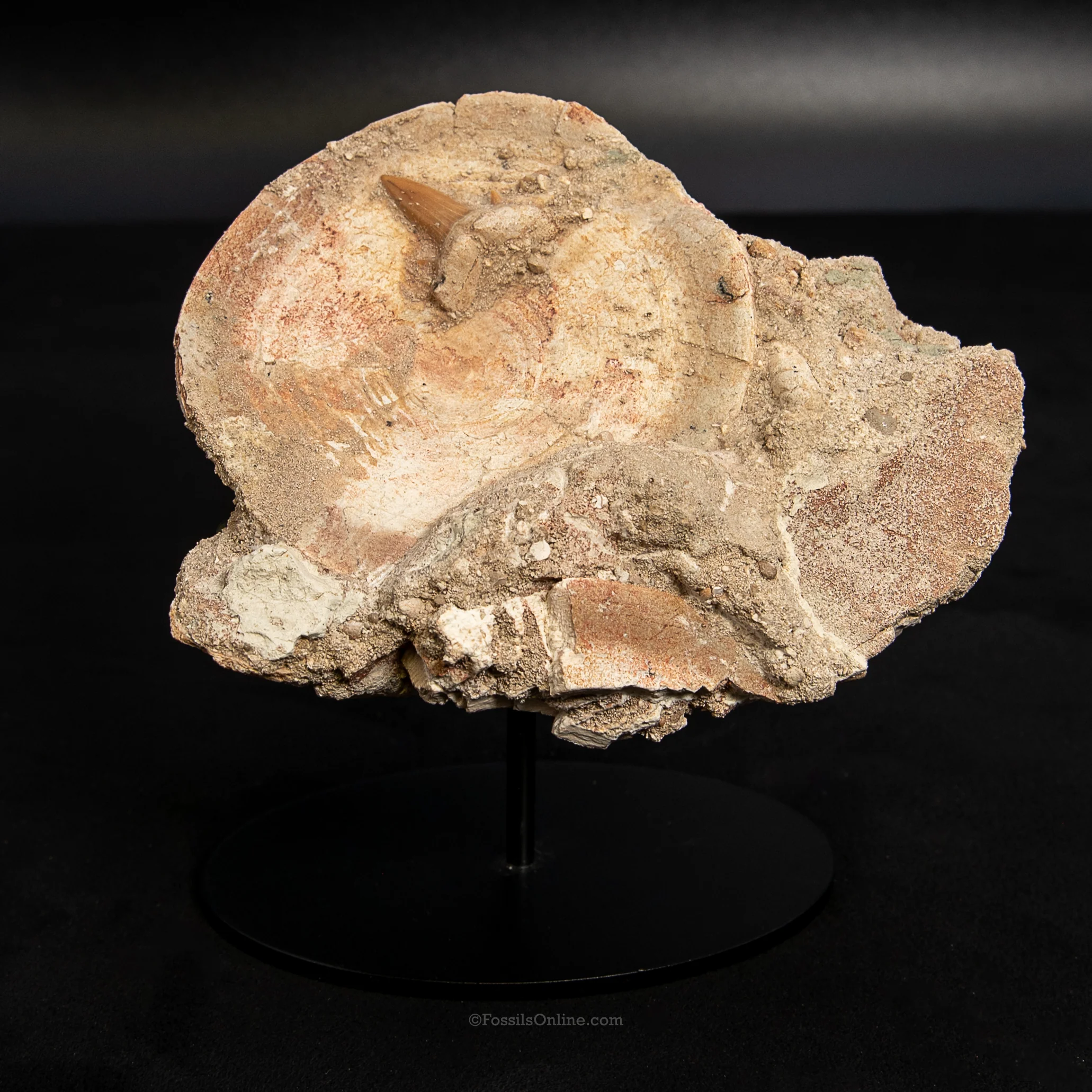
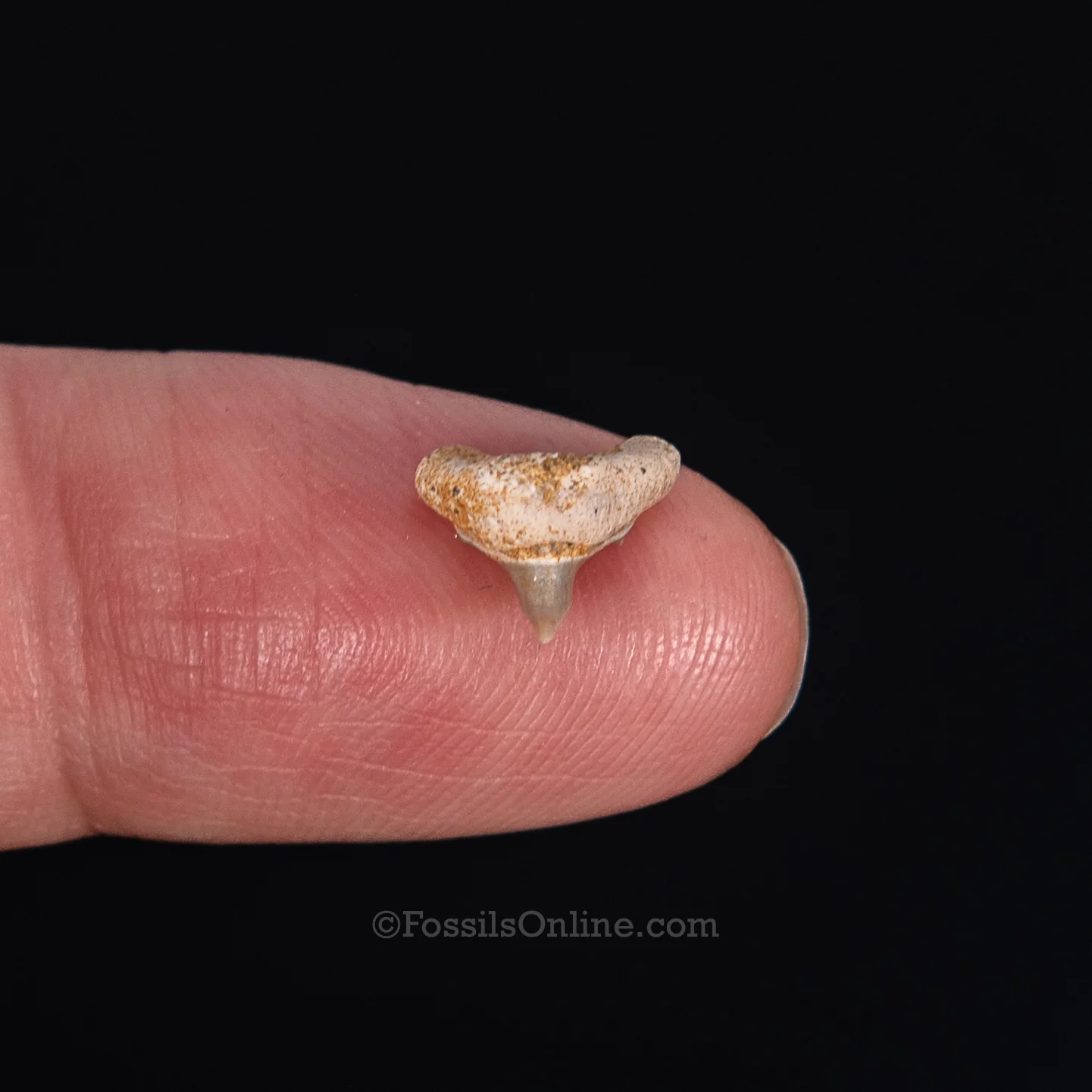
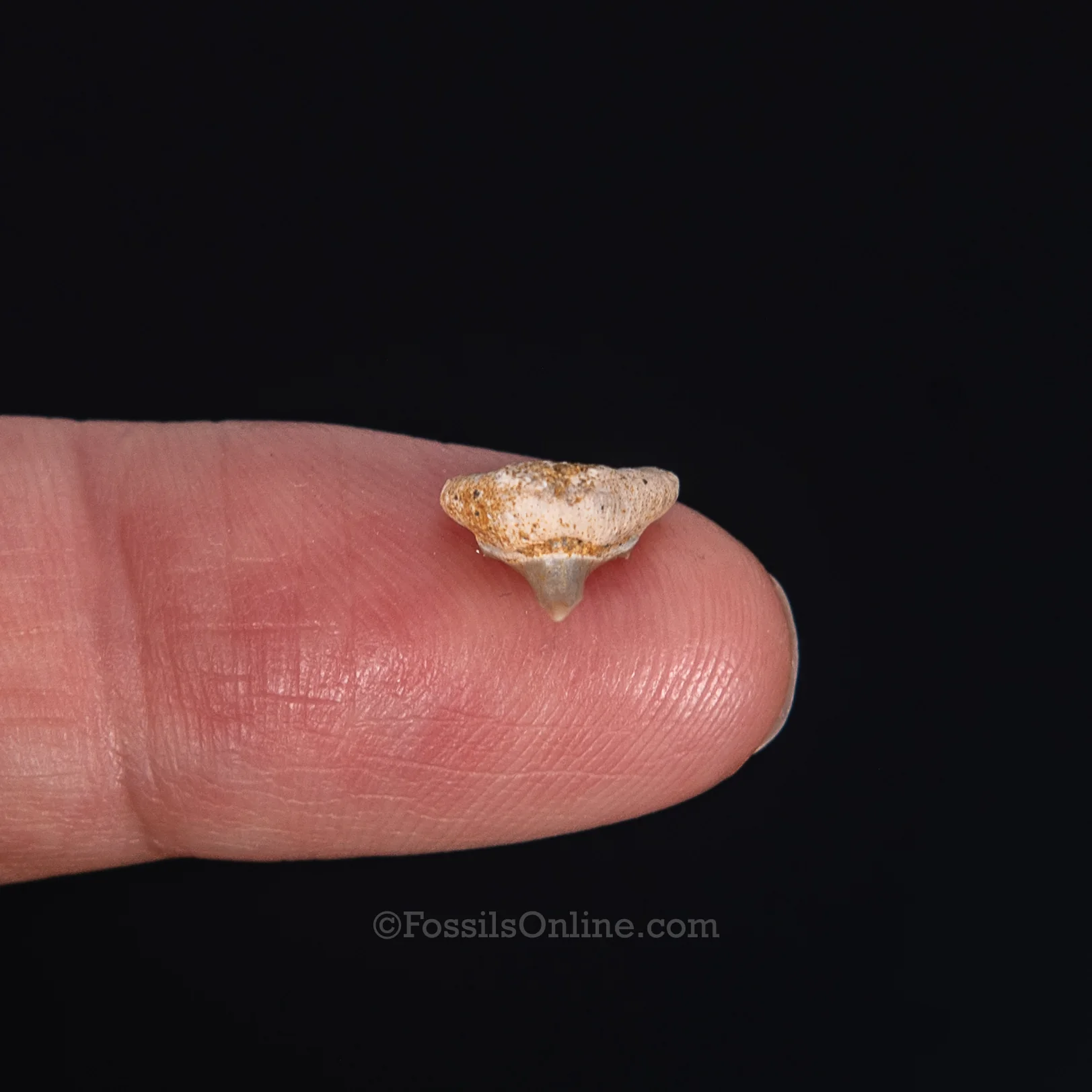
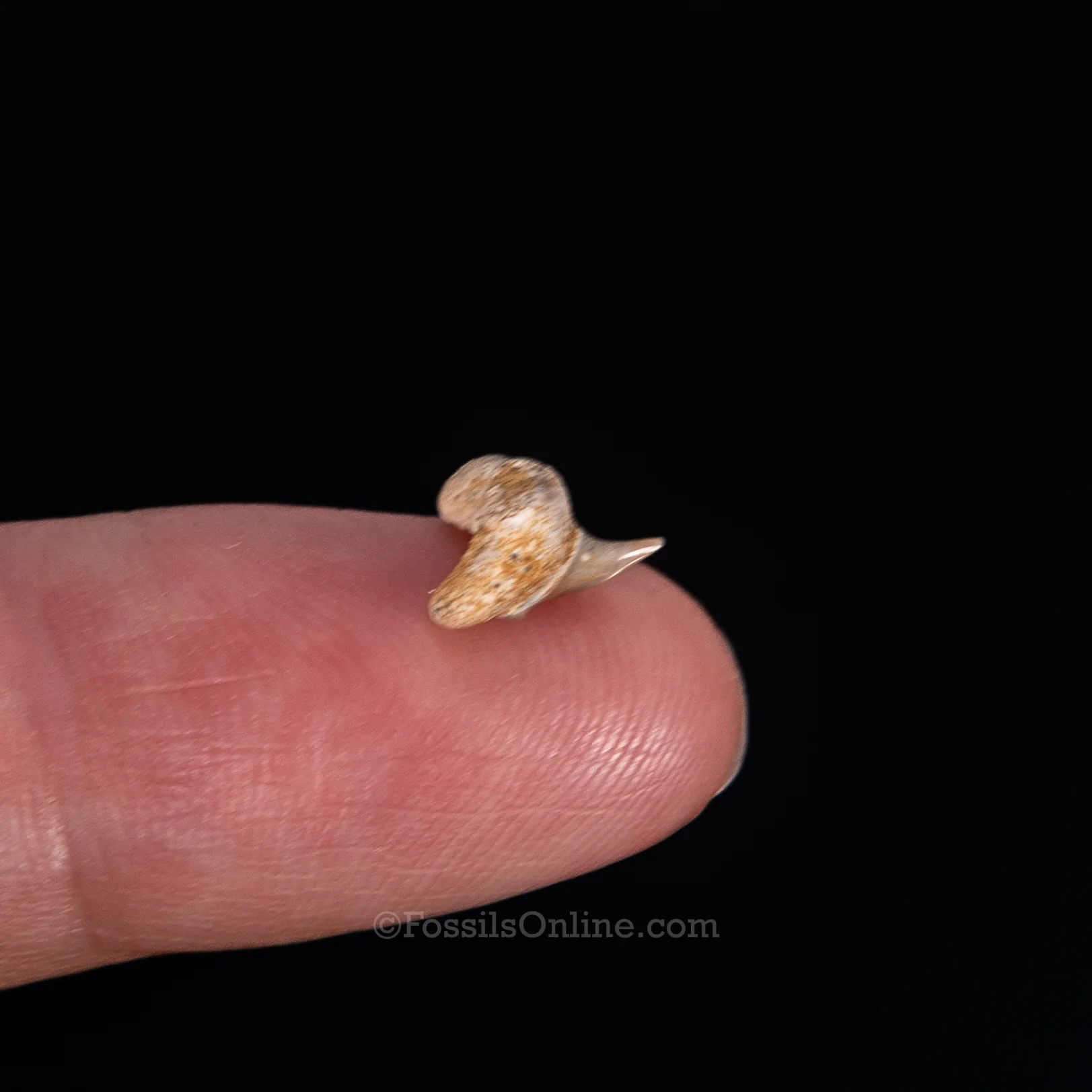
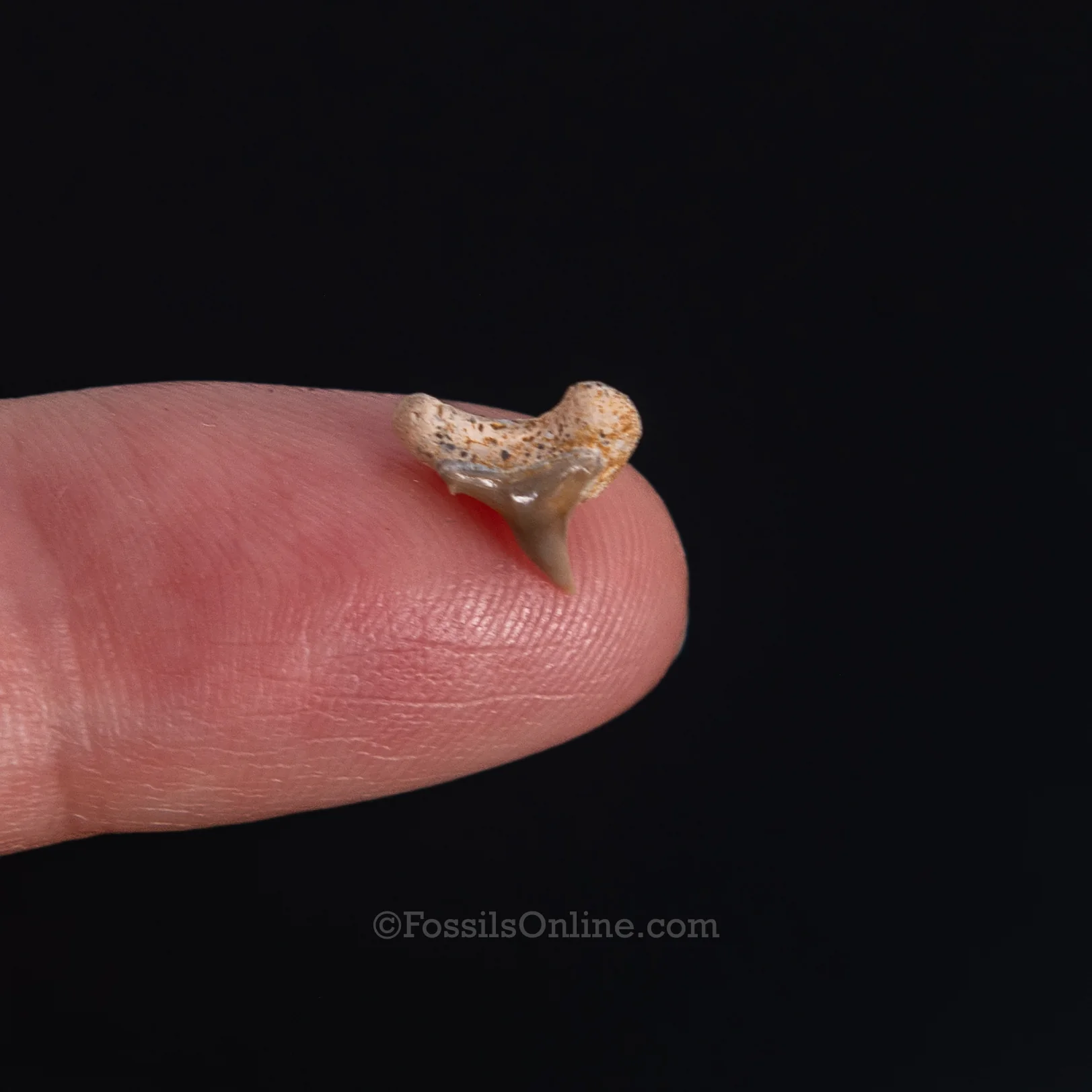
This rare Extinct Megamouth Shark tooth is from Kern County, California.
No repair or restoration.
Fossil teeth of an ancient megamouth shark, Megachasma applegatei, were discovered in Miocene deposits at Pyramid Hill, California. These small, multi-cusped teeth revealed that megamouth sharks have existed for over 20 million years. The modern megamouth shark, a rare and elusive deep-sea species first discovered in 1976, shares a direct lineage with this extinct relative, making it a true living fossil. Unlike many sharks, the megamouth is a slow swimmer that feeds by filter-feeding—swimming with its enormous mouth agape to capture plankton, jellyfish, and tiny crustaceans in the dark depths of the ocean, often near continental slopes and deep water basins.
Details & Craftsmanship
Every detail has been carefully considered to bring you the perfect product.
Details & Craftsmanship
Every detail has been carefully considered to bring you the perfect product.
Details & Craftsmanship
Every detail has been carefully considered to bring you the perfect product.
Description
This rare Extinct Megamouth Shark tooth is from Kern County, California.
No repair or restoration.
Fossil teeth of an ancient megamouth shark, Megachasma applegatei, were discovered in Miocene deposits at Pyramid Hill, California. These small, multi-cusped teeth revealed that megamouth sharks have existed for over 20 million years. The modern megamouth shark, a rare and elusive deep-sea species first discovered in 1976, shares a direct lineage with this extinct relative, making it a true living fossil. Unlike many sharks, the megamouth is a slow swimmer that feeds by filter-feeding—swimming with its enormous mouth agape to capture plankton, jellyfish, and tiny crustaceans in the dark depths of the ocean, often near continental slopes and deep water basins.